Can a heat pump keep up in a Minnesota winter

After you send the request, you're done searching.

Hand it off

Can a heat pump actually keep up in a Minnesota winter?

You keep the house warm for everyone in it, and Minnesota winters don't leave much room for a system that can't keep up. Most homes around here heat with gas, so putting a heat pump against a January cold snap is a fair thing to wonder about before you count on it.

A heat pump can heat your home through a Minnesota winter, but it needs backup for the coldest stretches

A heat pump moves heat from outside air into your house, and outside air still holds some heat even well below freezing. It keeps working as the temperature drops, but it works harder for less output the colder it gets. Below a certain point, usually somewhere around 0 to 10 degrees depending on the unit, it can't pull enough heat to keep the house at temperature on its own. That's why most installations here pair the heat pump with a furnace or electric backup that takes over on the hardest nights. The heat pump handles the bulk of the winter, and the backup covers the stretches when it can't. Sized and installed right for this climate, it won't leave the house cold.

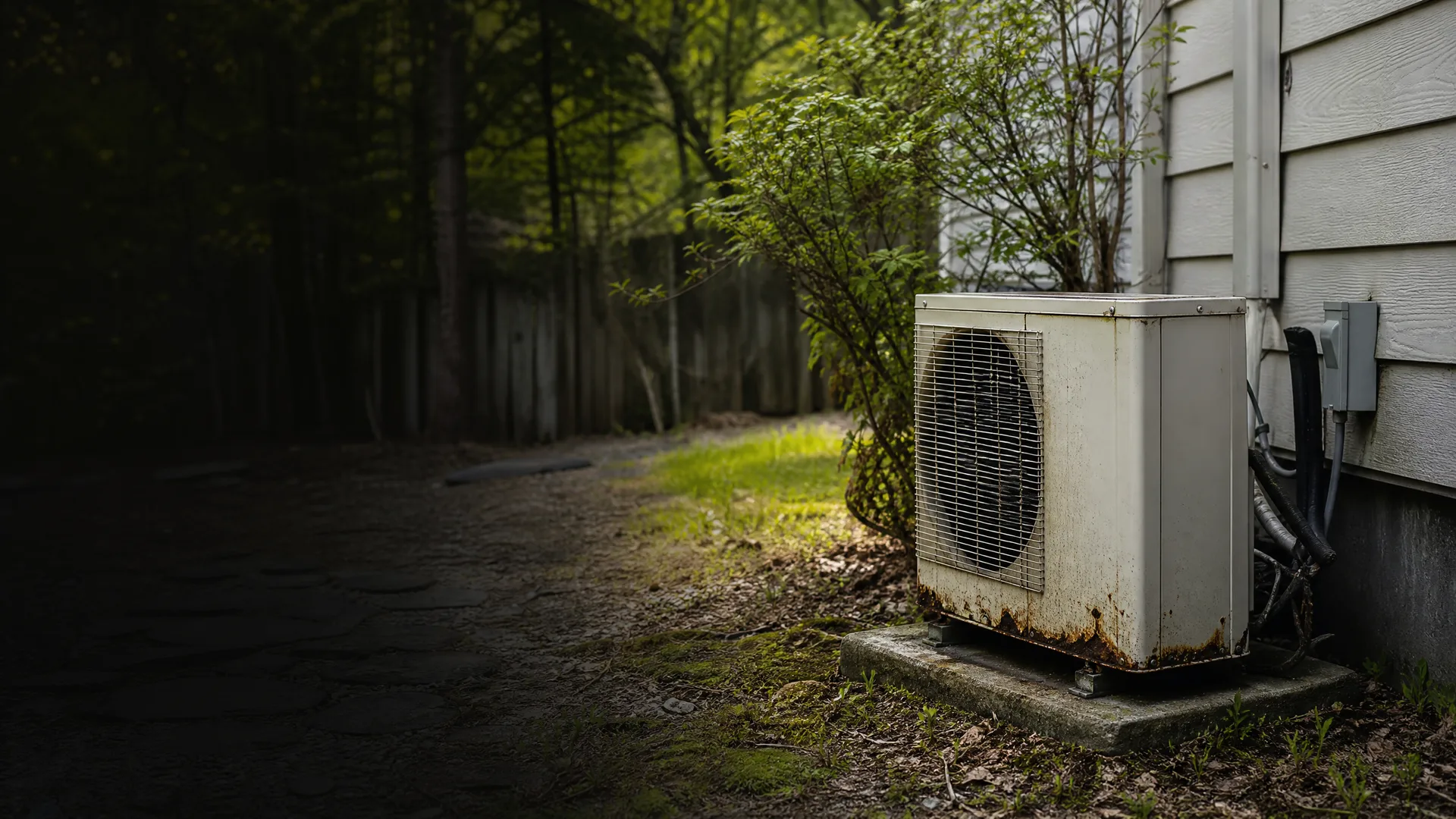
A weathered, rust-streaked outdoor heat pump unit on a concrete pad beside a house with horizontal siding, with shrubs, moss and a dim wooded yard and fence to the left.

Snow's gone off the grass but the ground's still cold the morning you walk out to the side yard and see it. The old outdoor unit sits there with rust creeping up along the base, flaking where the paint's worn through. You crouch down and press a thumb to it and a little comes off on your skin. It ran all winter to keep the place warm, every cold snap, every night under ten degrees, and now that spring's here you can finally see what that cost it. You think about next January already. About whether it'll start on the coldest morning or whether you'll be standing out here again, this time waiting on someone to come look at it.


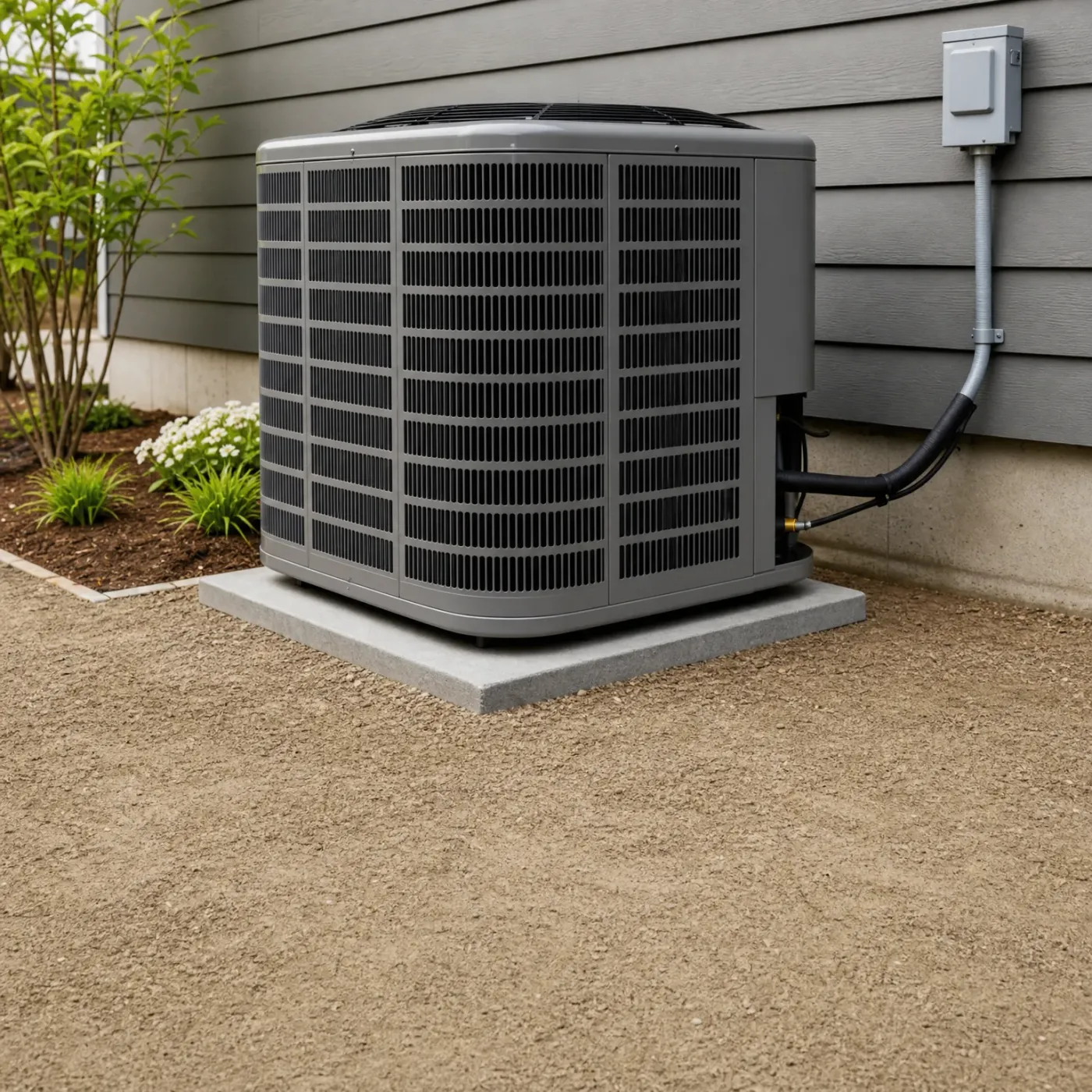
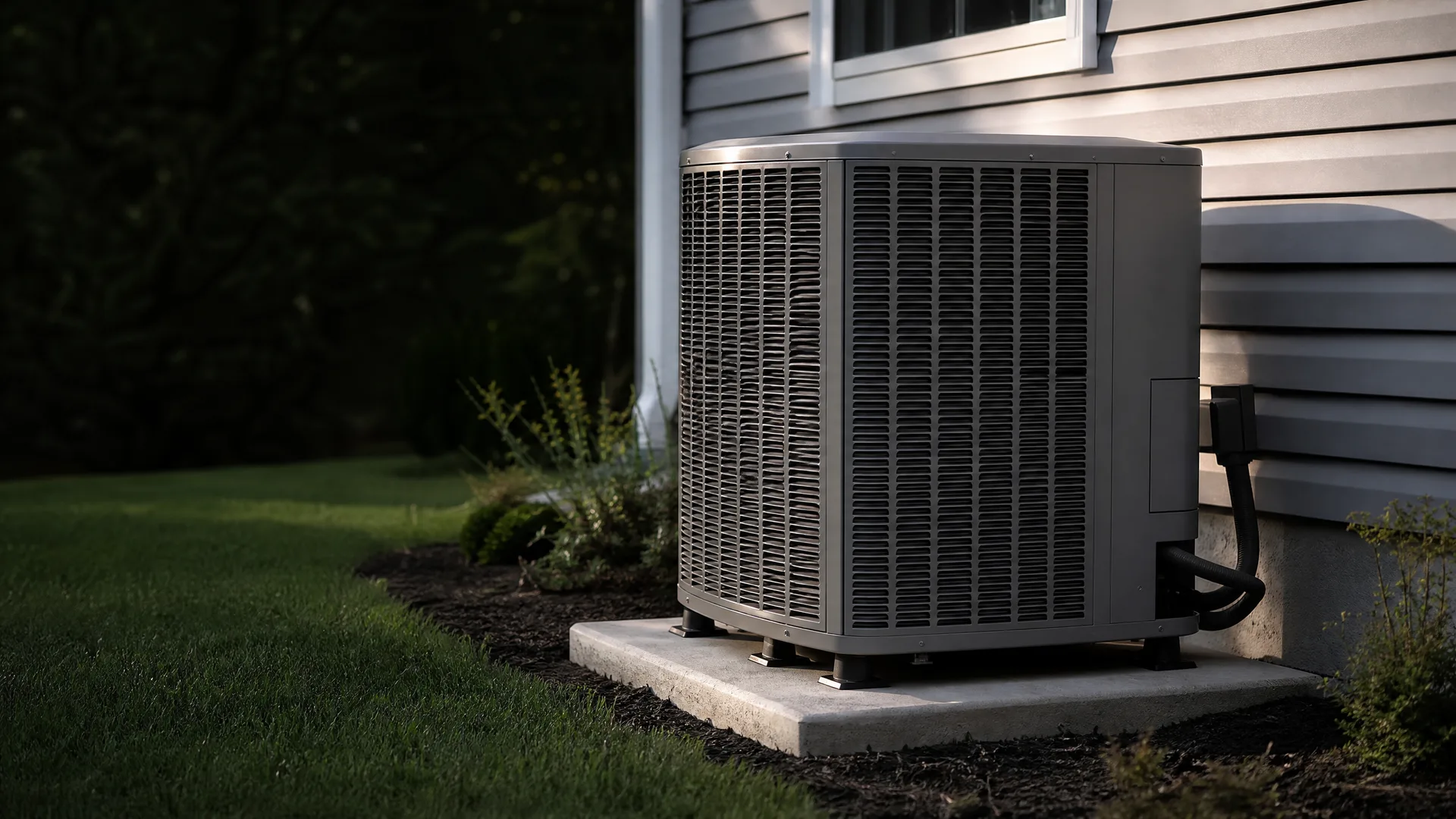
A gray outdoor condenser unit on a concrete pad beside a house with horizontal lap siding, with an electrical disconnect box and insulated refrigerant lines on the wall, gravel in the foreground and a planting bed at left.
A heat pump that's sized right and clear of ice and debris can pull heat out of air well below freezing and keep every room even.
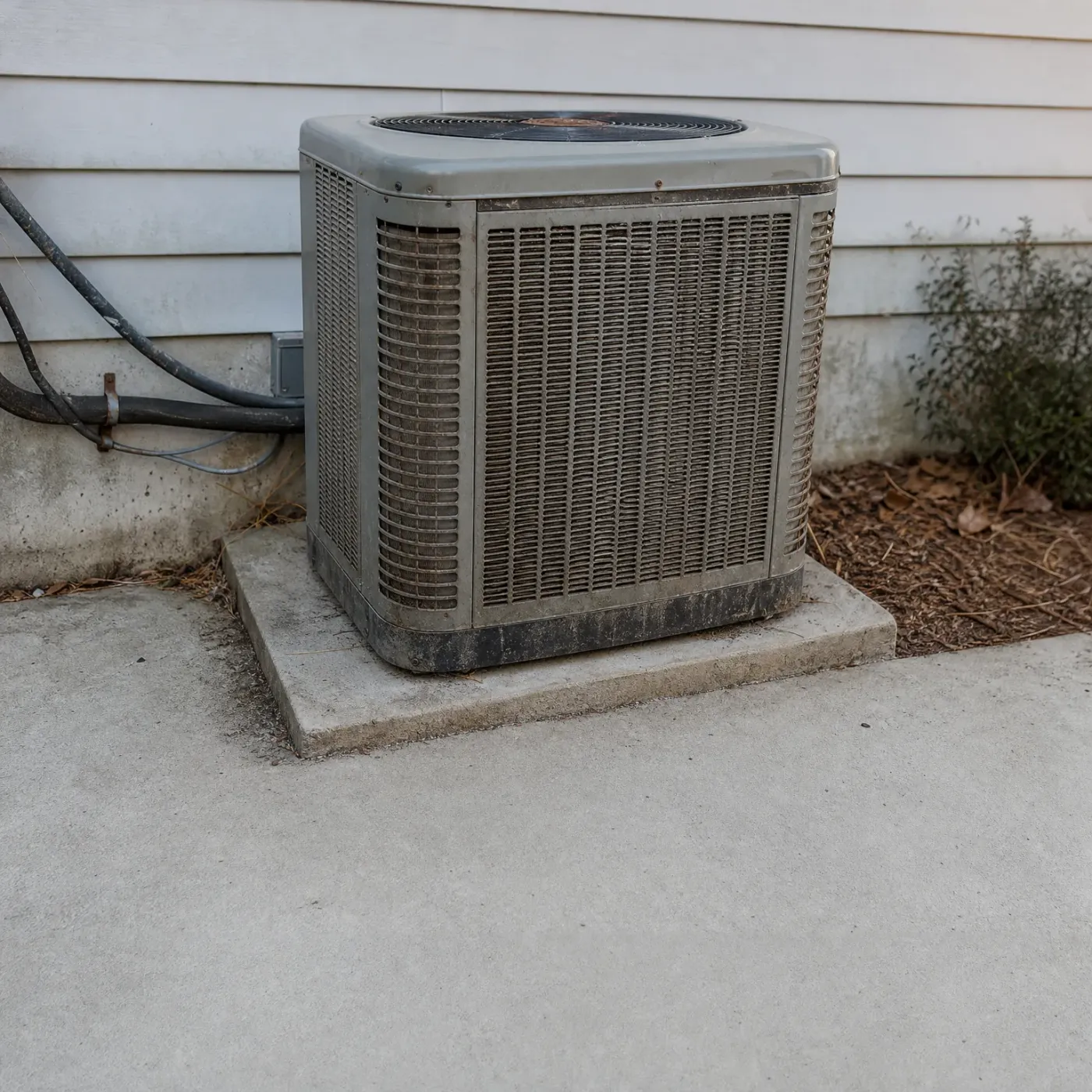
A weathered gray outdoor condenser unit sits on a concrete pad beside a house with horizontal siding, with refrigerant lines entering the wall at left and a mulched shrub bed at right.
Rust at the base, coils packed with grime, lines left buried after a storm: this is what makes a heat pump struggle to keep the house warm.

How a Heat Pump Handles Deep Cold

  • Below a certain outdoor temperature, the compressor can't pull enough heat from the air alone, so a backup heat source takes over.
  • That backup is usually a strip of electric resistance heat built into the air handler, not a second furnace.
  • A thermostat set up for a heat pump calls for backup heat in stages, so the house doesn't swing between modes for no reason.
  • Defrost cycles run automatically, reversing the system briefly to melt frost off the outdoor coil so airflow doesn't choke off.
  • During defrost you may notice the outdoor fan stop and steam rise off the unit, which is normal and lasts only a few minutes.
  • Many installs in cold climates pair the heat pump with a furnace in a setup where the thermostat switches between the two based on outdoor temperature.

A heat pump doesn't make heat, it moves it, pulling warmth out of the outdoor air even when that air is cold. There's a point, different for every system, where the compressor can't pull enough heat on its own to keep up with the house. That's when backup heat kicks in. In a lot of Minnesota installs, that backup is a furnace already sitting in the system, and the thermostat decides which one runs based on the outdoor temperature. In others it's electric resistance heat built right into the air handler, a strip of coils that comes on in stages rather than all at once, so the system isn't flipping between modes every few minutes. Either way, the switch happens on its own. You don't have to do anything for it.

The other thing happening in the background is defrost. Cold, humid air leaves frost on the outdoor coil, and if that frost builds up, airflow drops and the unit loses efficiency. So the system reverses itself for a few minutes at a time, running like an air conditioner in reverse to melt the frost off before switching back to heating. If you're outside when it happens, the fan stops, steam comes off the coil, and it can look like something's wrong. It isn't. That's the system clearing itself so it can keep pulling heat the rest of the day.

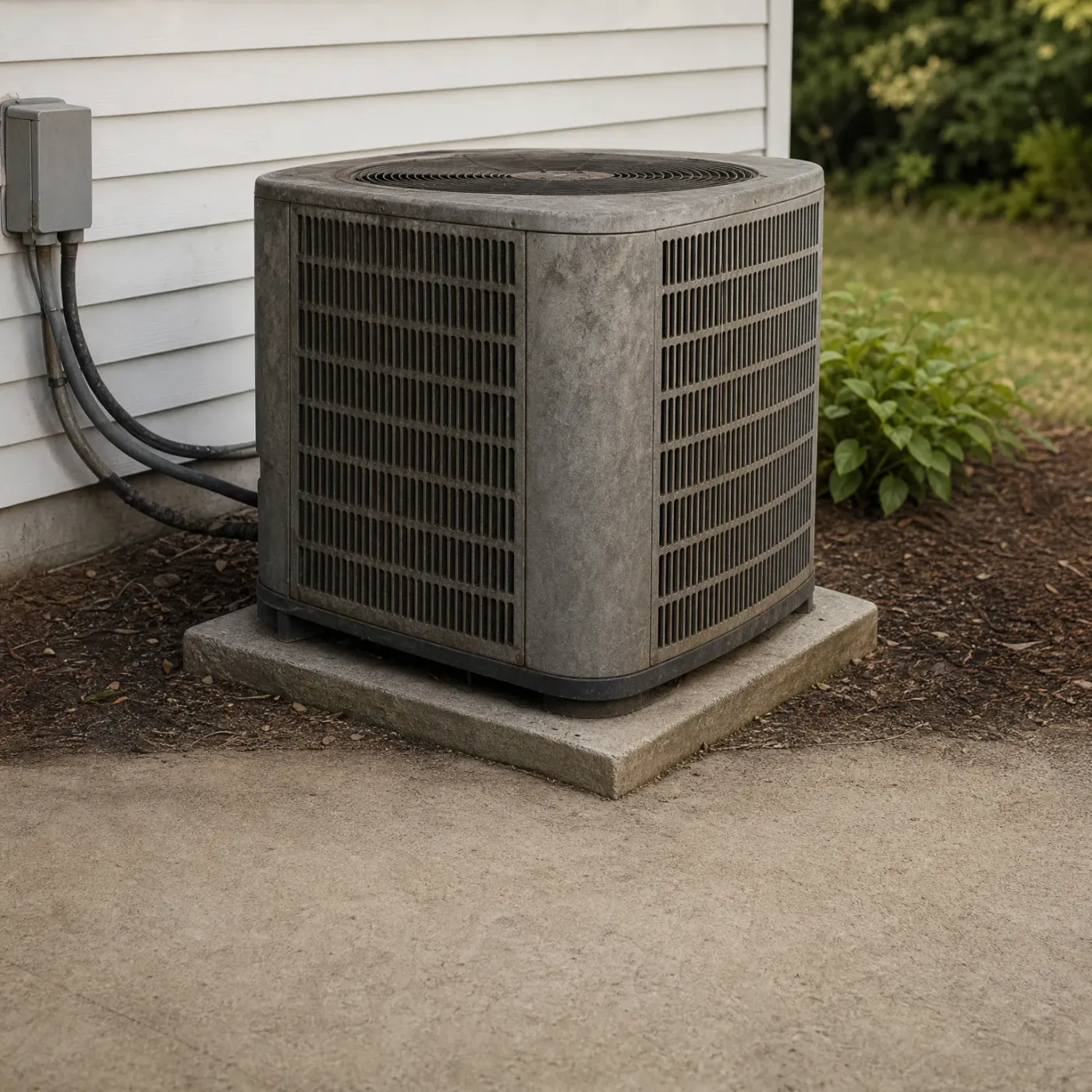
An outdoor air conditioning condenser unit sits on a concrete pad beside a white horizontal-siding house, with a gray electrical disconnect box and insulated refrigerant lines on the wall, mulch and green shrubs to the right, and a concrete slab in the foreground.
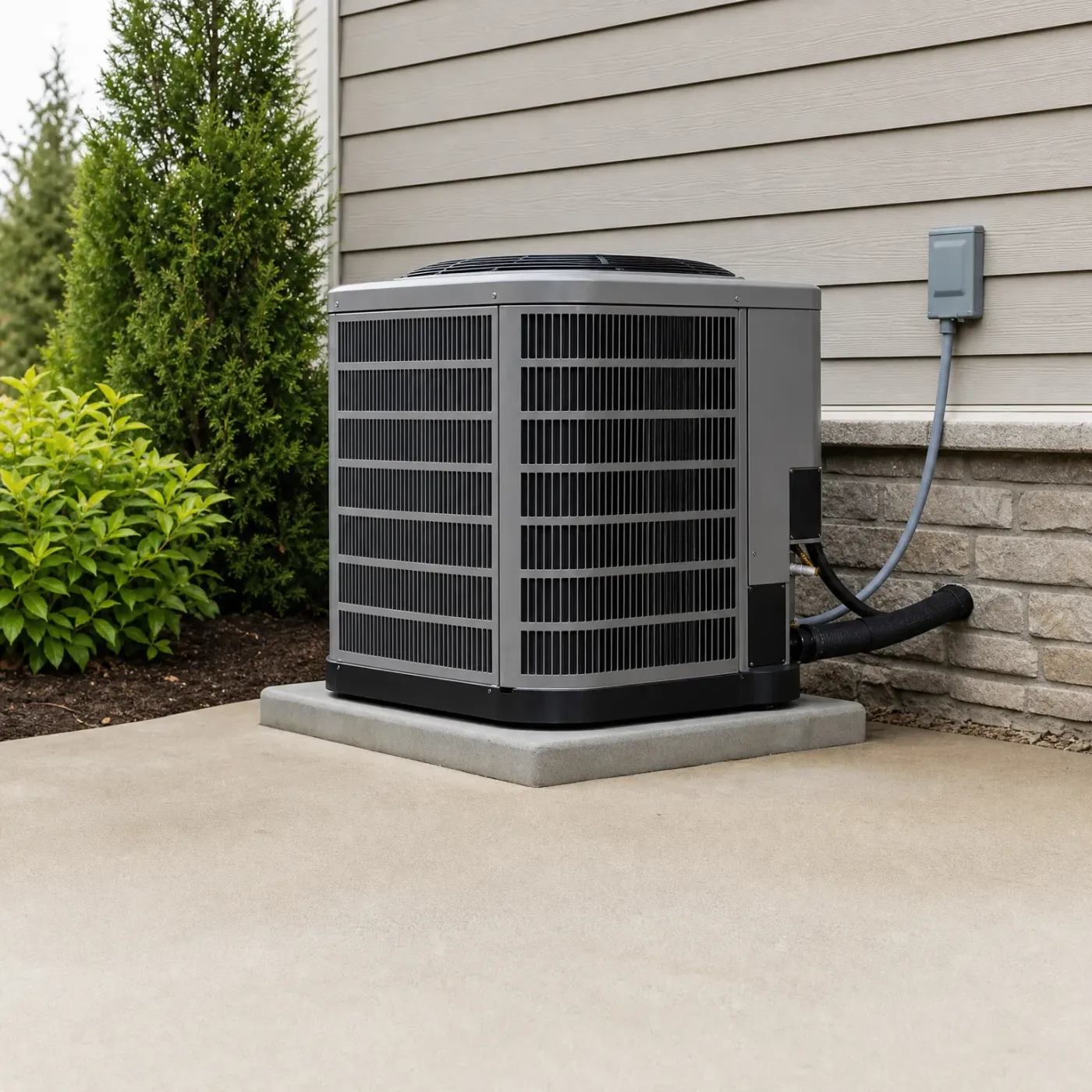
Before you get your heat pump installation
A gray outdoor air conditioner condenser unit on a concrete pad beside a house with horizontal lap siding and a stone veneer base, with a conduit running to a wall-mounted disconnect box and shrubs and evergreen trees to the left.
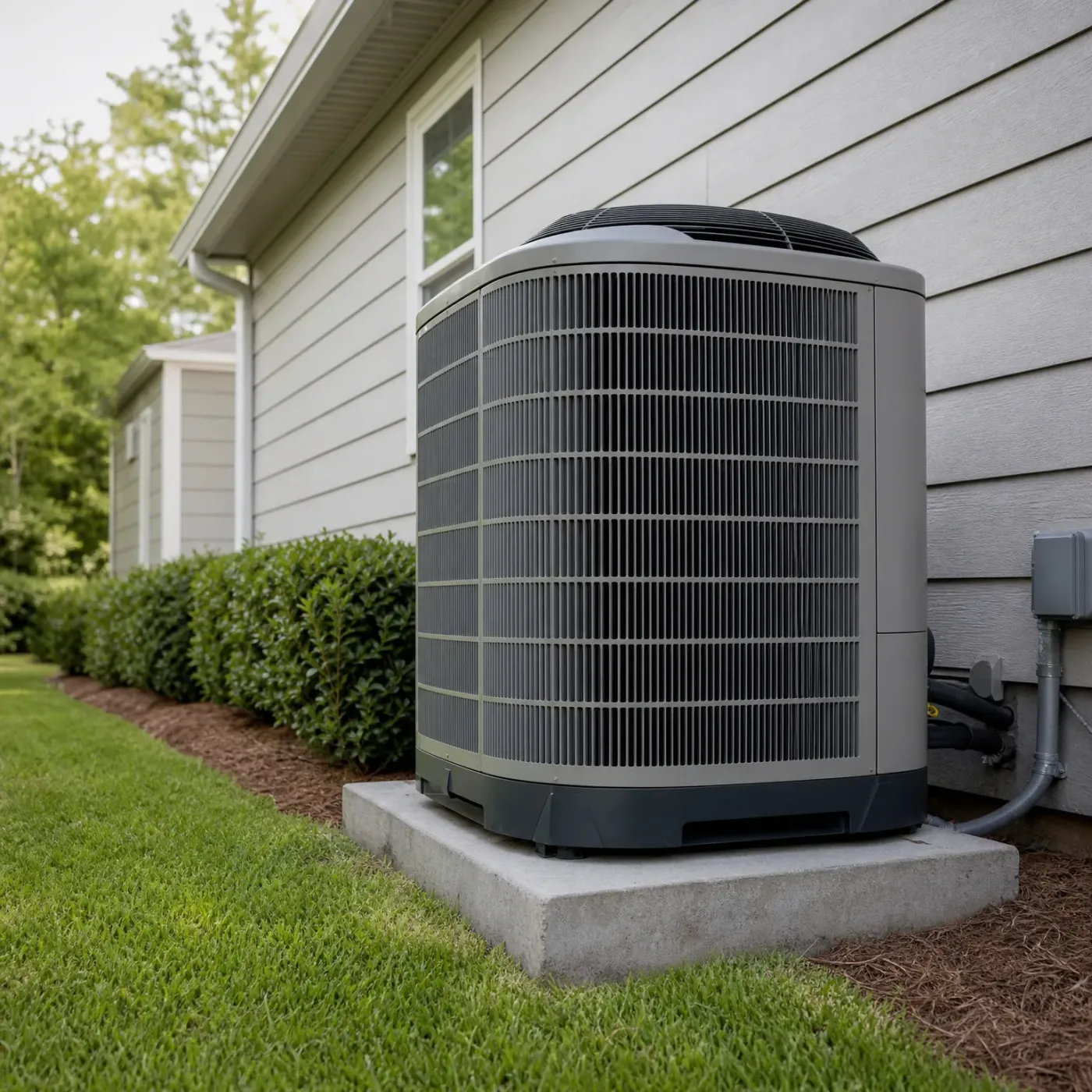
After you get your heat pump installation
An outdoor condenser unit on a concrete pad beside a light-colored lap-sided house, with a trimmed hedge, mulch bed and mowed lawn nearby and an electrical box and conduit on the wall.

Stop chasing a heat pump pro

One installer gets your project, so there's no bidding war over it.

Send the form and the search for an installer is over.

Hand off the search

You only hire the pro if you want to.

Heat Pump Alone vs. With Backup Heat

Heat pump alone

  • Below a certain outdoor temperature the compressor can't draw enough heat from the air, so output starts to drop.
  • On the coldest nights the house may run a few degrees under the thermostat setting if nothing else kicks in.
  • The unit still runs fine the rest of the winter, pulling heat out of air that feels too cold to hold any.
  • Without backup heat, recovery after a defrost cycle takes longer, and you'll feel that as a short cool spell.
  • Ice on the coil during a cold snap can cut output further until the defrost cycle clears it.

Heat pump with backup

  • A strip of electric resistance heat in the air handler takes over once the outdoor temperature drops too low for the compressor alone.
  • The thermostat switches between the two automatically, so you're not out checking a gauge during a cold snap.
  • Rooms stay even because the backup fills the exact gap the compressor leaves on the coldest days.
  • Since most homes here already heat with gas, some setups pair the heat pump with the furnace instead of electric strips for backup.
  • The compressor still does most of the work most of the winter, with backup heat only stepping in when it's needed.
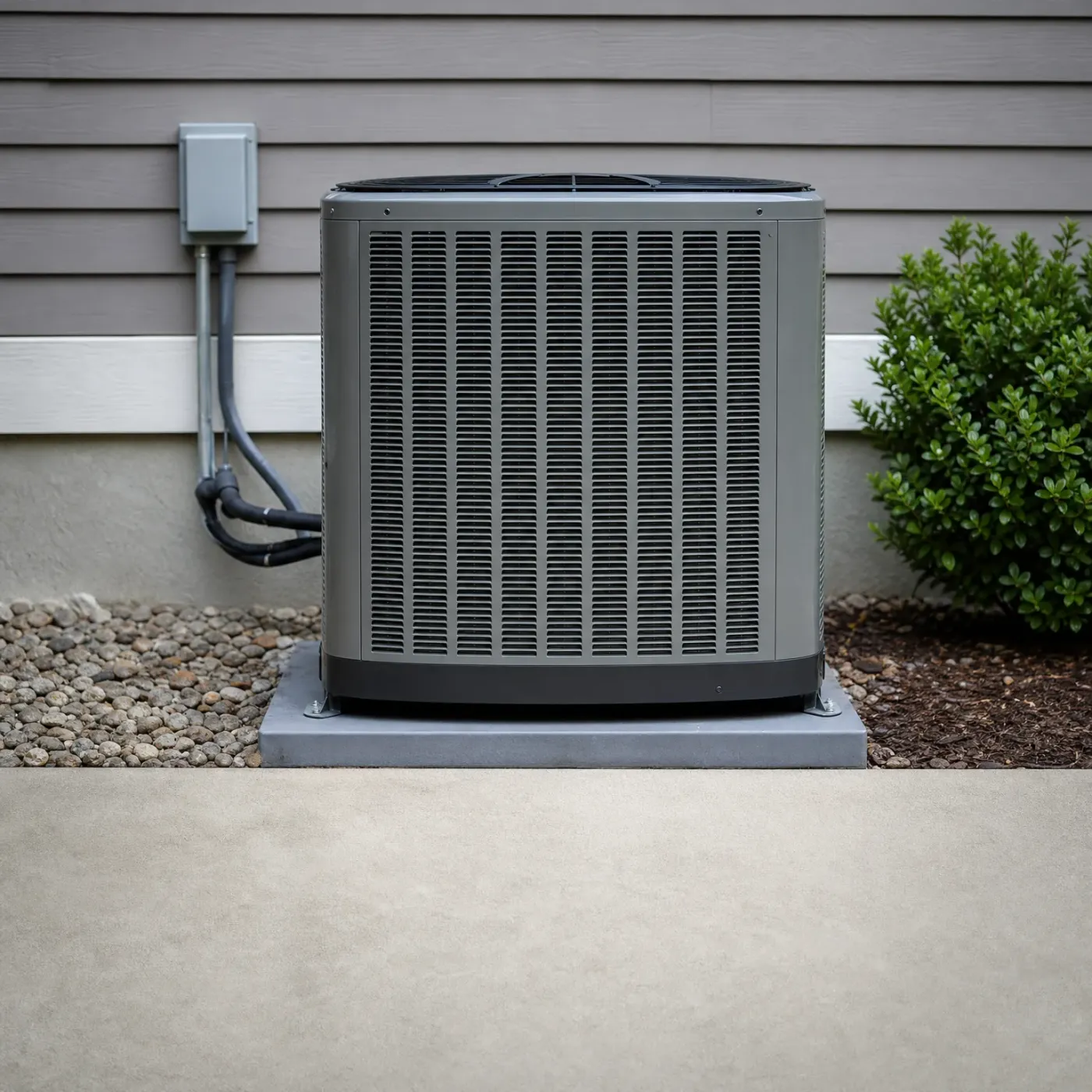
A gray outdoor condenser unit on a concrete pad beside a house with horizontal lap siding, with a metal disconnect box and refrigerant lines on the wall, river rock and mulch to the sides, and a green shrub at right.

Clear and running

Gravel underneath, a few inches of clearance on every side, nothing stacked against the cabinet. Air moves through the fins the way it's supposed to, so the unit can still pull heat out of cold air without working harder than it has to. This is what lets it hold its own in January.

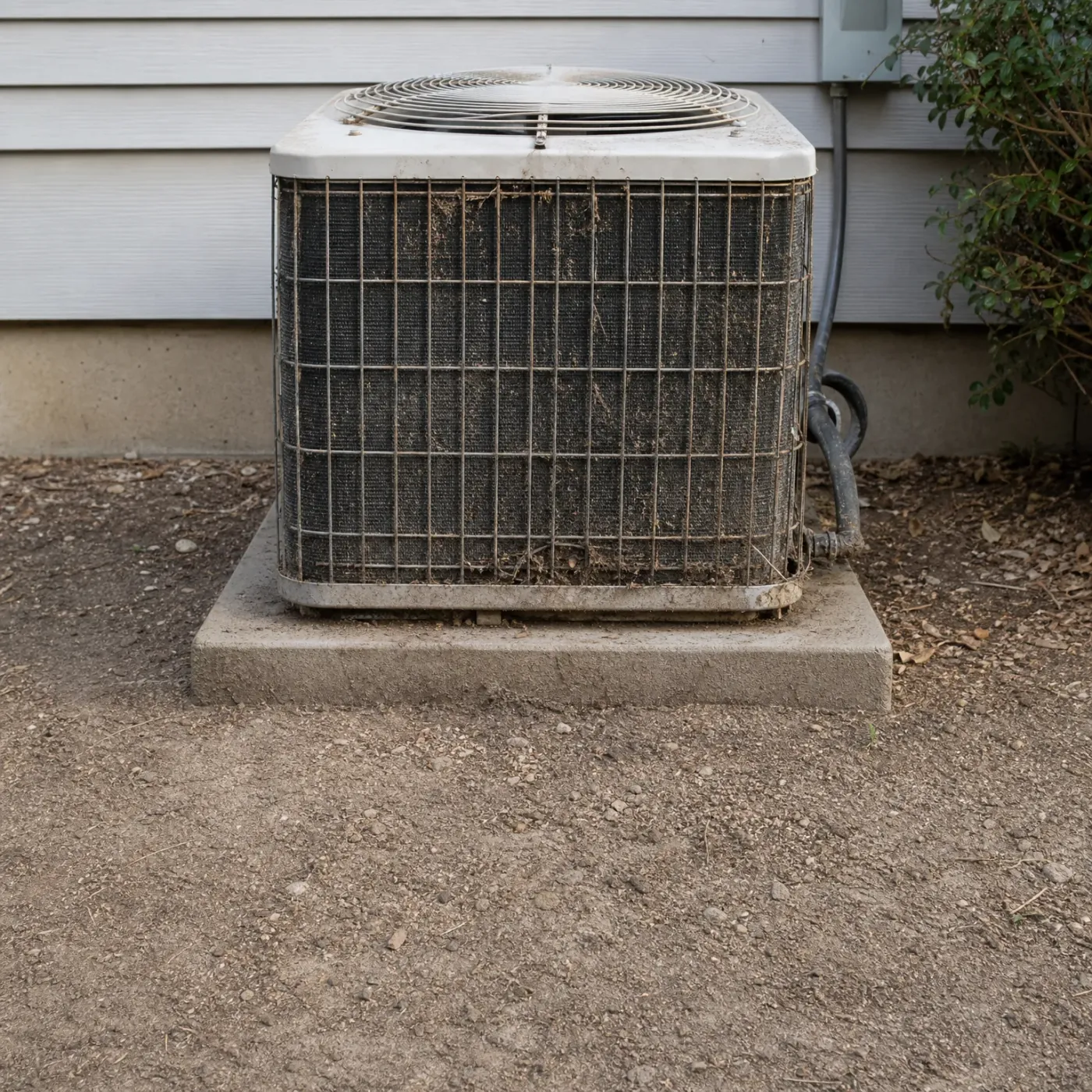
A dirty outdoor air conditioner condenser unit with debris on its coil grille, sitting on a concrete pad beside a light-colored horizontal siding wall, with bare dirt ground in front and a shrub at right.

Clogged and struggling

Leaves, grass clippings, and dirt packed into the grille block the airflow the whole system depends on. A heat pump in this shape pulls less heat out of the same cold air, leans on backup heat sooner, and wears parts down faster than one that's kept clear.

Power costs 15.83 cents per kilowatt-hour statewide

At 15.83 cents a kilowatt-hour, running the backup strip heat on a heat pump costs more than the compressor does on its own. That's the stretch to watch on the coldest nights, when the house leans on backup to keep everyone warm.

EIA-861 2025 statewide residential average

A heat pump's output drops as the air outside gets colder, because there's less heat in that air to move. A unit sized for Minnesota winters is chosen to cover that drop, not just the mild months.

That sizing is the difference between a system that leans on backup strip heat most of January and one that only needs it on the coldest nights. Installation is where that gets decided.

A woman in a knitted shawl sits in a living room with a fireplace, shelves, a sofa with cushions, and a lamp by a bright window, looking off to the side.
A woman with long brown wavy hair in a green shirt over a white top stands in a living room with built-in white shelves, a ceiling fan, a potted plant and a sliding glass door.
A woman with shoulder-length gray-streaked hair in a light gray knit sweater stands smiling and looking off to the side in a living room with a sofa, houseplant, framed picture, and sunlit sliding glass door.
A woman with shoulder-length curly gray hair wearing a gray knit sweater stands near a window with a sheer curtain, looking to the side, with a blurred interior room behind her.

A gas furnace as backup

Most homes around here already have a gas furnace, and some homeowners keep it in place as backup instead of an electric strip. The thermostat or a separate control switches over to gas once the outdoor temperature drops past the point where the heat pump can carry the load on its own. The furnace fires the way it always did, through the same ductwork, so the house doesn't feel any different on the coldest nights. The heat pump still does most of the work the rest of the year, since it's only locked out below a certain temperature. Wiring a heat pump into an existing furnace takes a compatible control board and a contractor who knows how to set the switchover point for your area.

Electric strip heat instead

A lot of new installs skip the furnace and use electric resistance heat built into the air handler instead. It switches on automatically when the compressor can't keep up, no gas line or venting needed, which simplifies the install if there's no furnace to tie into. The tradeoff shows up on the electric bill, since strip heat pulls a lot more power than the compressor does per degree of warmth it adds. On a typical January cold snap it might run for stretches at a time rather than short bursts. For a home without gas already piped in, it's usually the simpler path, and a contractor can size the strip heat to match what the house actually loses on the coldest days.

A woman with her hair in a bun holds a sleeping young child against her chest, both wrapped in a textured beige knit blanket on a sofa in a dimly lit room with a lamp, framed picture, and bookshelf behind them.
An older woman with gray hair in a bun and glasses, wearing a beige knit sweater, smiles while looking to the side in a warmly lit kitchen, with a loaf of bread on the counter in the foreground and a snowy scene outside the window.
A two-story house with gray and light gray siding, white-trimmed windows and a white front door, flanked by deciduous trees, with a partly browned lawn in front under a clear blue sky.

Summer here isn't the main worry for a heat pump, but it tells you something about the air the outdoor unit works in. Minnesota summers average a dew point of 59°F, based on weather data for where homes in the state sit. That's air without much moisture to wring out, so the compressor isn't working hard to pull humidity along with heat. You'll notice it as a unit that cycles less and a house that cools evenly without feeling clammy. The harder test for this same equipment comes months later, when it has to pull heat out of cold air instead of pulling moisture out of mild air.

NASA POWER T2MDEW county cells weighted by homes

A heat pump can carry a Minnesota winter when it's sized for the cold, kept clear, and backed by a plan for the nights it can't keep up on its own. That's the whole answer. What decides whether yours does that is the install: the right size for your house, backup set up correctly, the outdoor unit placed where it can breathe. A local contractor who works on these systems all season knows which of those usually gets missed around here, because the same few things tend to fail in the same way, winter after winter. You'll be matched with one contractor, not a handful calling at once, so you're dealing with someone who actually knows this equipment and this climate rather than whoever picks up first. Once that request is in, the search part is done. You're not the one tracking down who's licensed, who's local, who answers. Somebody who keeps the house warm for everyone in it shouldn't have to be the one chasing that down too.

A gray outdoor condenser unit on a concrete pad beside a house with horizontal lap siding, bordered by mulch, shrubs and a mowed lawn.

Send one request and you're done looking

Step 1 of 3: Equipment