Tell us about the job
Takes about a minute. No obligation.
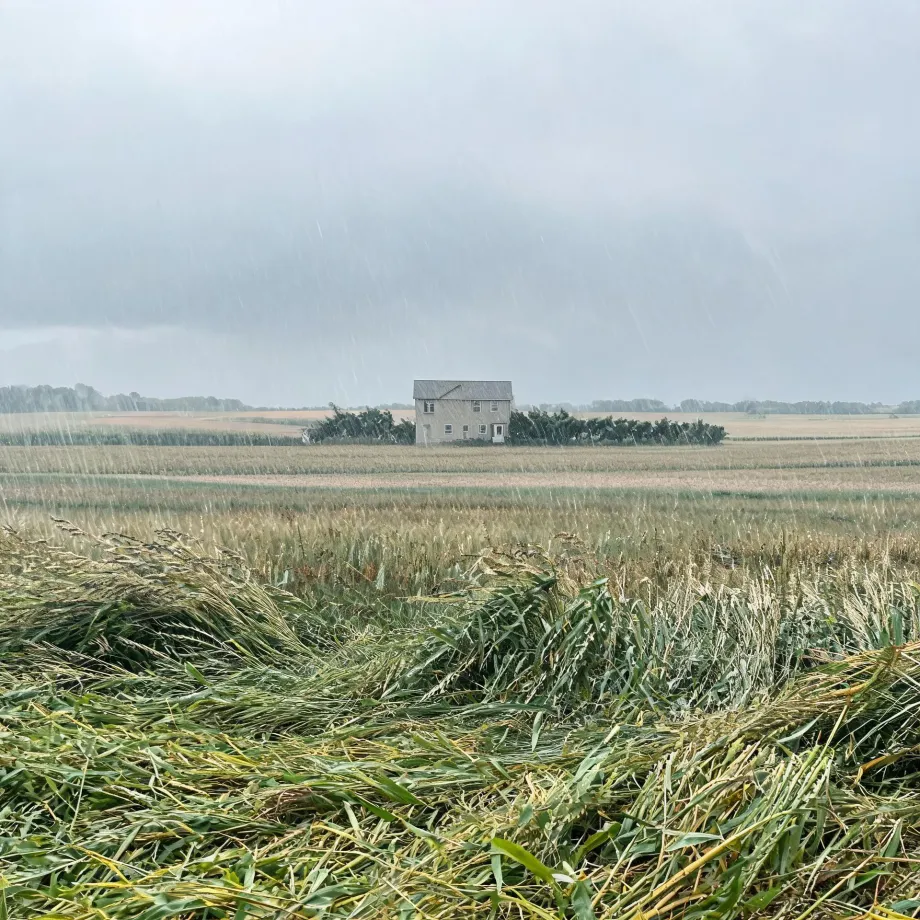
A contractor assessing a heat pump repair here wants to know how old the system is and how it has been serviced, because those two things explain most of what they find. 101 severe weather events were recorded in Le Sueur County, Minnesota between 2015 and 2024. That puts this county in the middle of the national distribution, which means severe weather is part of life here but not the dominant stress on a heat pump's refrigerant circuit, reversing valve, or compressor over time. A unit that has been skipping annual service will show it in the refrigerant charge and the coil condition well before storm load becomes a plausible explanation for the failure.
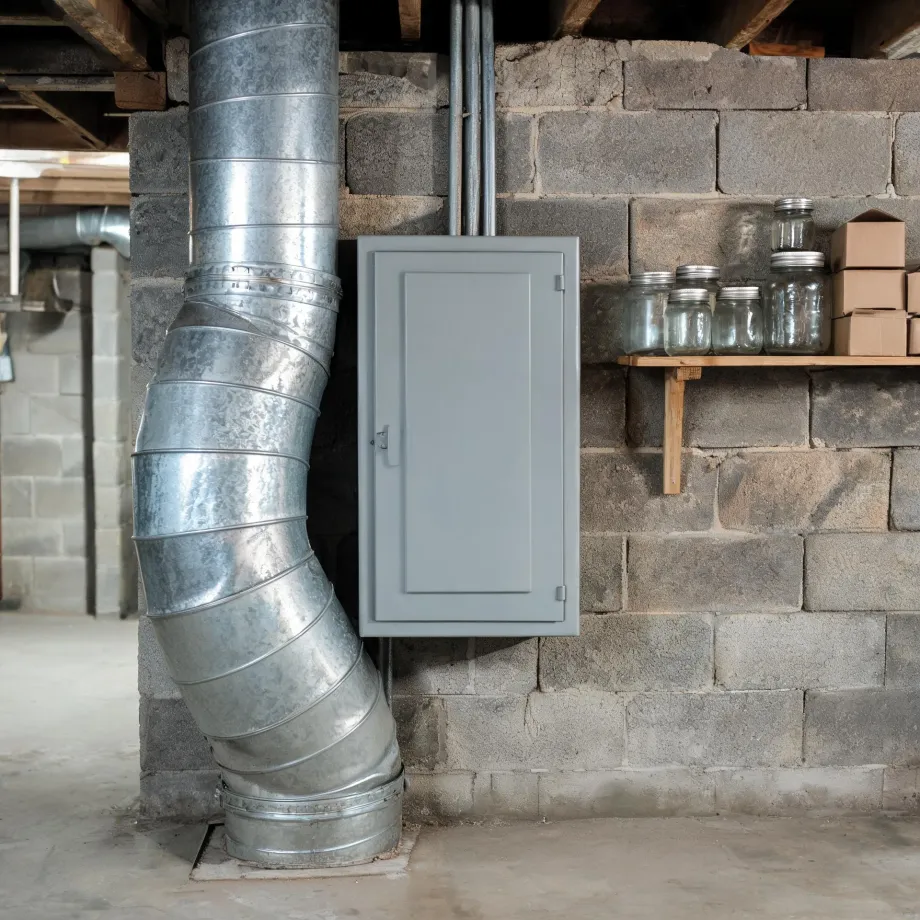
Stock built generations back has been through more than one equipment cycle. The heat pump running in a house today is not the first system those walls have held, and parts from previous generations of equipment are the first thing a contractor has to account for once the unit is opened. Half the homes in Le Sueur County, Minnesota were built in 1974 or earlier (2020-2024 ACS 5-year). That span of building history means a repair call here frequently becomes a parts availability question before it becomes a labor question, because manufacturers stop producing components well before the houses that hold them stop standing.
The Parts of a Heat Pump a Contractor Checks First
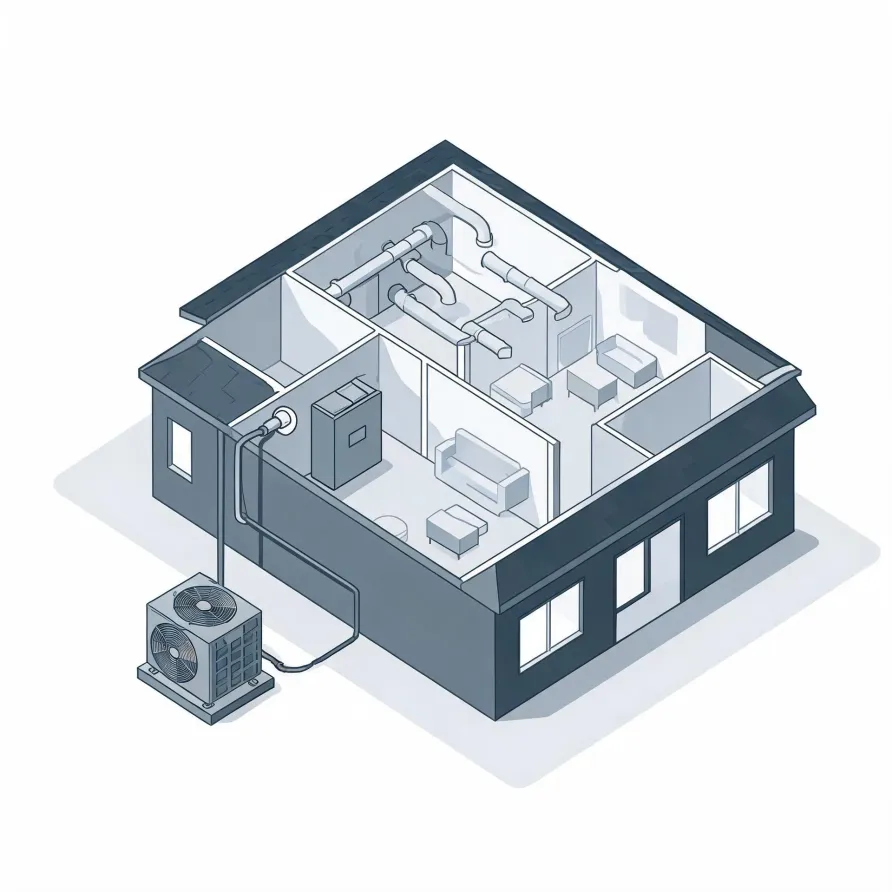
The outdoor unit sits on a pad beside the house and holds the compressor, the reversing valve, and the outdoor coil. The compressor is the part that does the hardest work, so when a heat pump stops heating or cooling altogether, the contractor starts there. The reversing valve controls which direction the system runs, and a stuck or leaking valve is a common reason a unit heats when it should cool or does nothing at all.
The indoor air handler mounts inside the house, usually in a utility closet, attic, or basement, and it contains the indoor coil and the blower that moves air across it. A refrigerant line set runs between the two units, and the expansion valve sits along that path to control pressure. The contractor checks the coil for ice or debris, the blower motor for electrical faults, and the line set for leaks at the fittings.
The drawing shows the general layout of a heat pump system, and a licensed contractor determines what applies to this particular house.
Get matched in Le Sueur CountyLe Sueur County, by the record
101 severe weather events were recorded in Le Sueur County, Minnesota between 2015 and 2024.
NOAA National Centers for Environmental Information, Storm Events Database, bulk CSV export, events 2015-01-01 through 2024-12-31.Half the homes in Le Sueur County, Minnesota were built in 1974 or earlier (2020-2024 ACS 5-year).
U.S. Census Bureau, 2020-2024 American Community Survey 5-Year EstimatesLe Sueur County, Minnesota holds 13,054 housing units (2020-2024 ACS 5-year).
U.S. Census Bureau, 2020-2024 American Community Survey 5-Year EstimatesOwners occupy 81.0% of the occupied homes in Le Sueur County, Minnesota (2020-2024 ACS 5-year).
U.S. Census Bureau, 2020-2024 American Community Survey 5-Year EstimatesCodes & Standards Governing Heat Pump Repair in Le Sueur County, Minnesota2 sourced rules & standards
What Le Sueur County, Minnesota Requires for HVAC Repair Work
Minnesota defines a mechanical contractor as a business that installs, repairs or maintains heating, ventilating, cooling or refrigeration systems — the definition that carries the exemption from the residential contractor licence.
Minnesota's residential contractor licence does not reach HVAC work: the licensing section carries its own exemption list, and a mechanical contractor is exempt from the licence requirement by name.
Severe Weather Events in Le Sueur County
Extreme weather puts heat pumps under load at the moments they are least able to recover from a fault. How much of that pressure a system faces depends entirely on where it runs, which is why local weather history belongs on a page about repair work.
101 severe weather events, 2015–2024. Source: NOAA National Centers for Environmental Information, Storm Events Database.