Tell us about the job
Takes about a minute. No obligation.
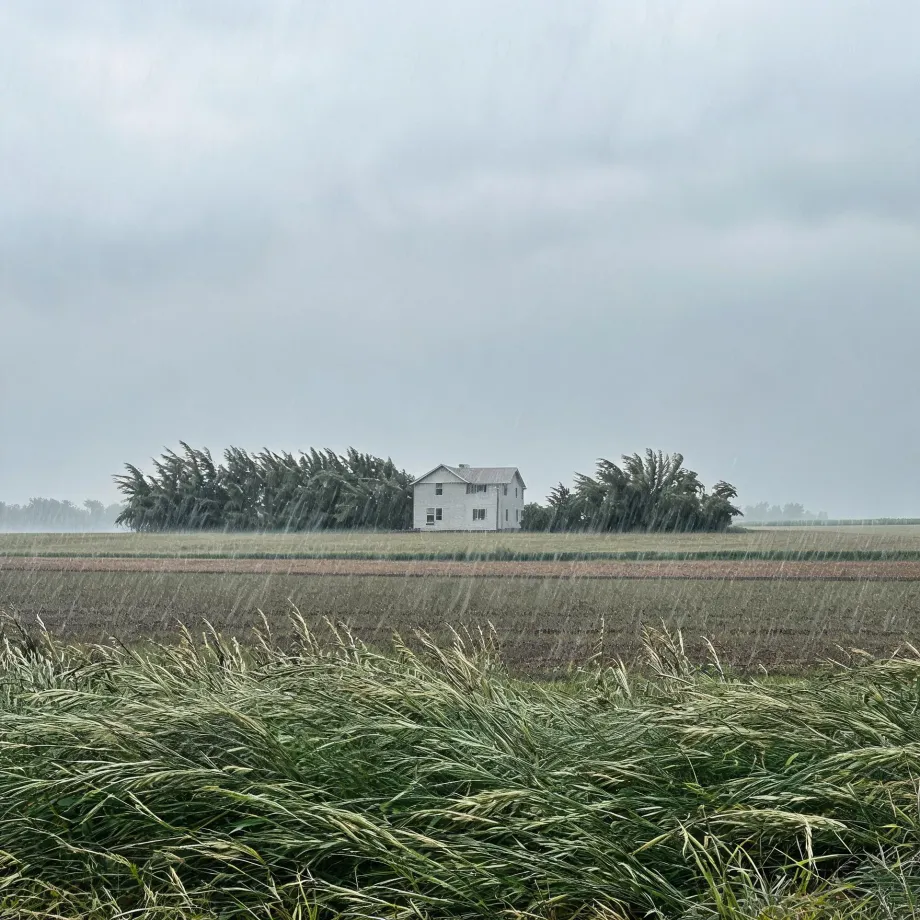
A heat pump in this county has been cycling through real seasonal stress year after year, and that load shows up in specific places. 143 severe weather events were recorded in Goodhue County, Minnesota between 2015 and 2024. At that rate, compressors accumulate strain from hard heating and cooling demands, refrigerant lines get worked repeatedly, and the reversing valve takes the full force of every mode switch. A contractor coming out to diagnose a repair will look at those components first, because the wear pattern in a county with this kind of weather record points there before it points anywhere else.
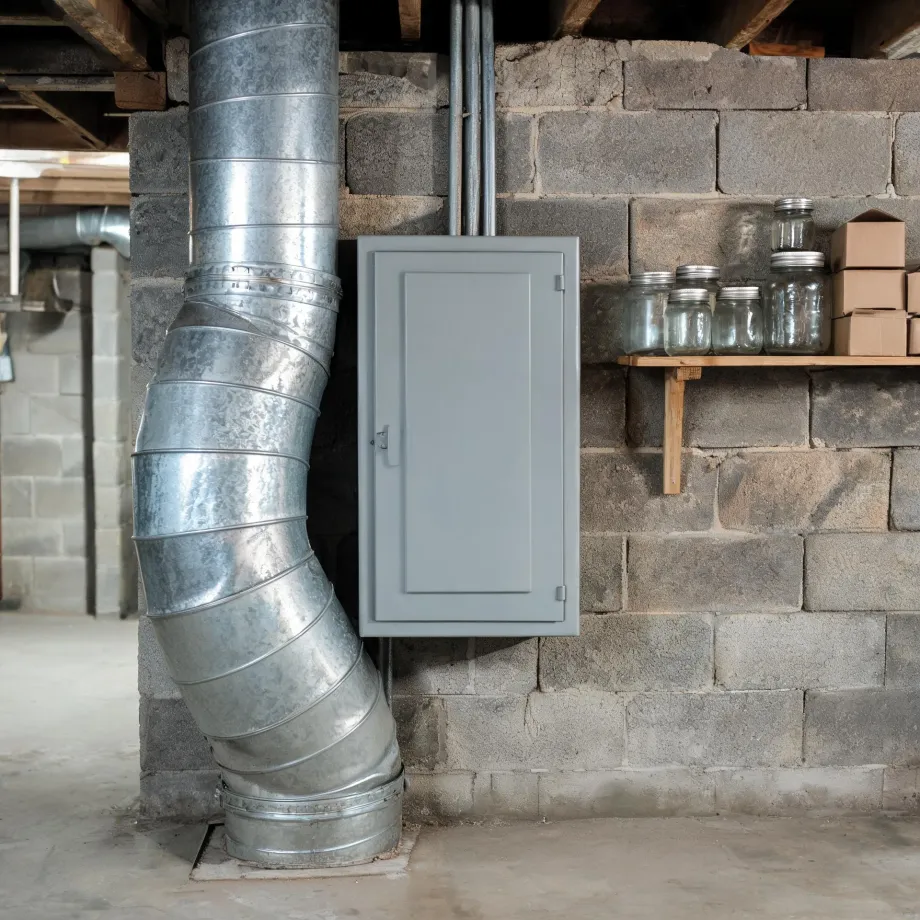
A heat pump sitting in a house here has almost certainly outlasted the equipment that preceded it, which means a contractor opening the system is working on a unit that was retrofitted into whatever was already in place. Half the homes in Goodhue County, Minnesota were built in 1973 or earlier (2020-2024 ACS 5-year). That gap between when the house was built and when the heat pump went in matters for repair because the refrigerant circuit components a technician finds may draw on parts that are no longer in active production. Age of the house predicts very little about the system's age, but it does tell a contractor to verify parts availability before quoting a repair rather than after.
The Parts of a Heat Pump a Contractor Checks First
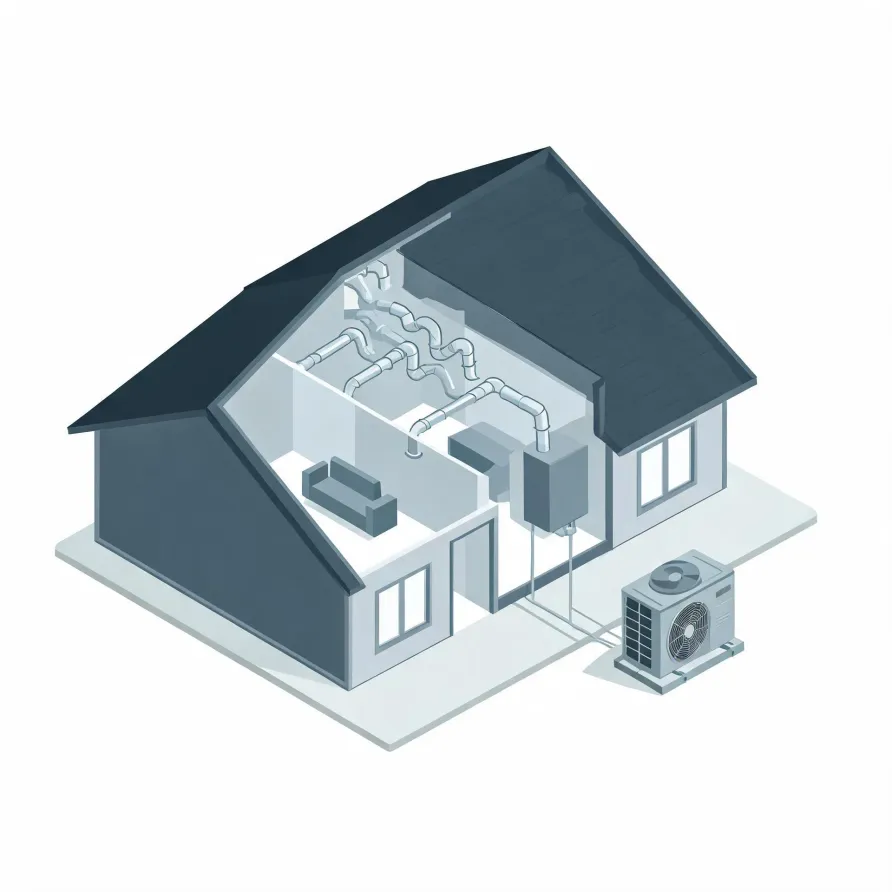
The outdoor unit sits outside the house and holds the compressor and the condenser coil. The compressor is the part a contractor reaches for early in a diagnosis: when a heat pump stops moving heat, the compressor is often where the problem lives. The condenser coil surrounds it, and a bent or clogged coil will show up fast under inspection.
Inside the house, the air handler pushes conditioned air through the home and contains the evaporator coil and the blower motor, both of which a contractor will examine when airflow or temperature is off. The reversing valve, which sits in the outdoor unit, switches the system between heating and cooling and is a known failure point when the heat pump runs but delivers the wrong temperature. The refrigerant lines tie the two units together, and a contractor checks them for leaks whenever refrigerant loss is suspected.
The drawing shows the general layout of a heat pump system, and a licensed contractor determines which parts apply to your specific house and situation.
Get matched in Goodhue CountyGoodhue County, by the numbers
143 severe weather events were recorded in Goodhue County, Minnesota between 2015 and 2024.
NOAA National Centers for Environmental Information, Storm Events Database, bulk CSV export, events 2015-01-01 through 2024-12-31.Half the homes in Goodhue County, Minnesota were built in 1973 or earlier (2020-2024 ACS 5-year).
U.S. Census Bureau, 2020-2024 American Community Survey 5-Year EstimatesGoodhue County, Minnesota holds 21,167 housing units (2020-2024 ACS 5-year).
U.S. Census Bureau, 2020-2024 American Community Survey 5-Year EstimatesOwners occupy 78.8% of the occupied homes in Goodhue County, Minnesota (2020-2024 ACS 5-year).
U.S. Census Bureau, 2020-2024 American Community Survey 5-Year EstimatesCodes & Standards Governing Heat Pump Repair in Goodhue County, Minnesota2 sourced rules and standards
Licensing and Legal Requirements in Goodhue County, Minnesota
Minnesota defines a mechanical contractor as a business that installs, repairs or maintains heating, ventilating, cooling or refrigeration systems — the definition that carries the exemption from the residential contractor licence.
Minnesota's residential contractor licence does not reach HVAC work: the licensing section carries its own exemption list, and a mechanical contractor is exempt from the licence requirement by name.
Severe Weather Events in Goodhue County, Year by Year
Extreme weather puts heat pumps under load they were not sized to ignore, and the strain shows up later as repair calls. How hard the weather pushes equipment here is a local fact, and it shapes what contractors in Goodhue County see in the field.
143 severe weather events, 2015–2024. Source: NOAA National Centers for Environmental Information, Storm Events Database.