Tell us about the job
Takes about a minute. No obligation.
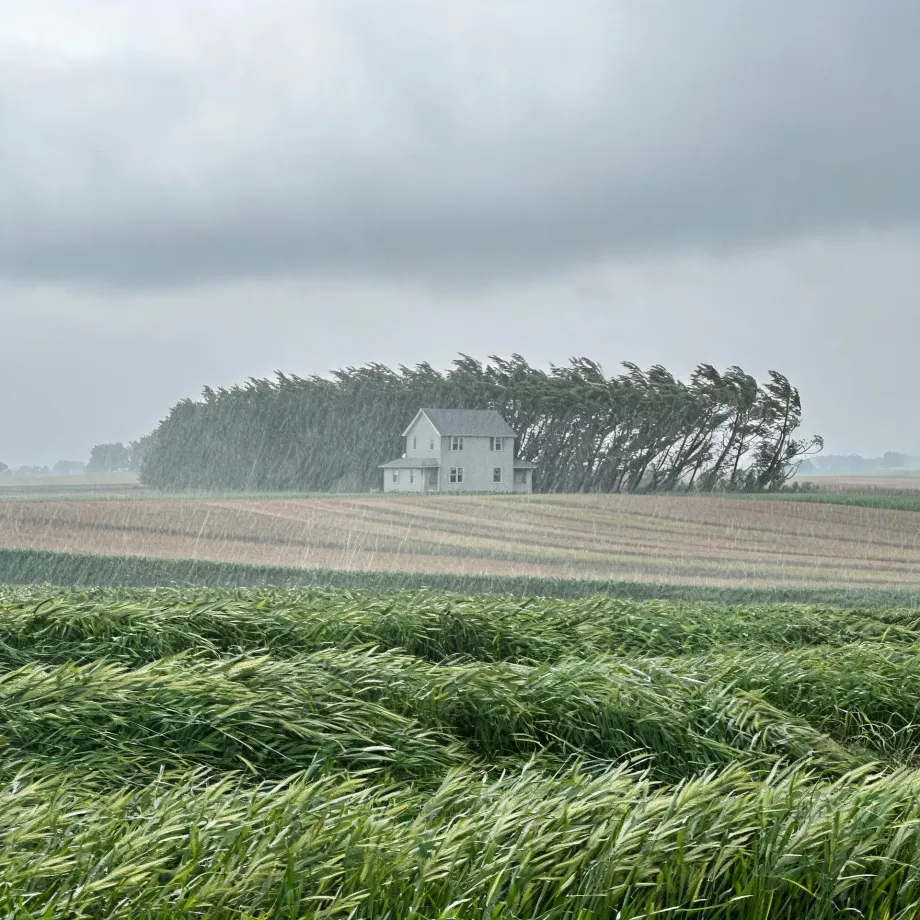
A heat pump repair in Winona County asks something specific of the contractor: before any part gets quoted or replaced, they have to sort out what the weather has done to the system from what time and use have done on their own. 190 severe weather events were recorded in Winona County, Minnesota between 2015 and 2024. At that rate, severe weather is a standing feature of operating a heat pump here, and components like the compressor and reversing valve carry that load year after year. A contactor or capacitor that tests marginal could have reached that state from age alone, or it could have been pushed there by repeated electrical and thermal stress from outside the house. The repair scope, and the bill, can be different depending on which it is, so that is what a contractor establishes first.
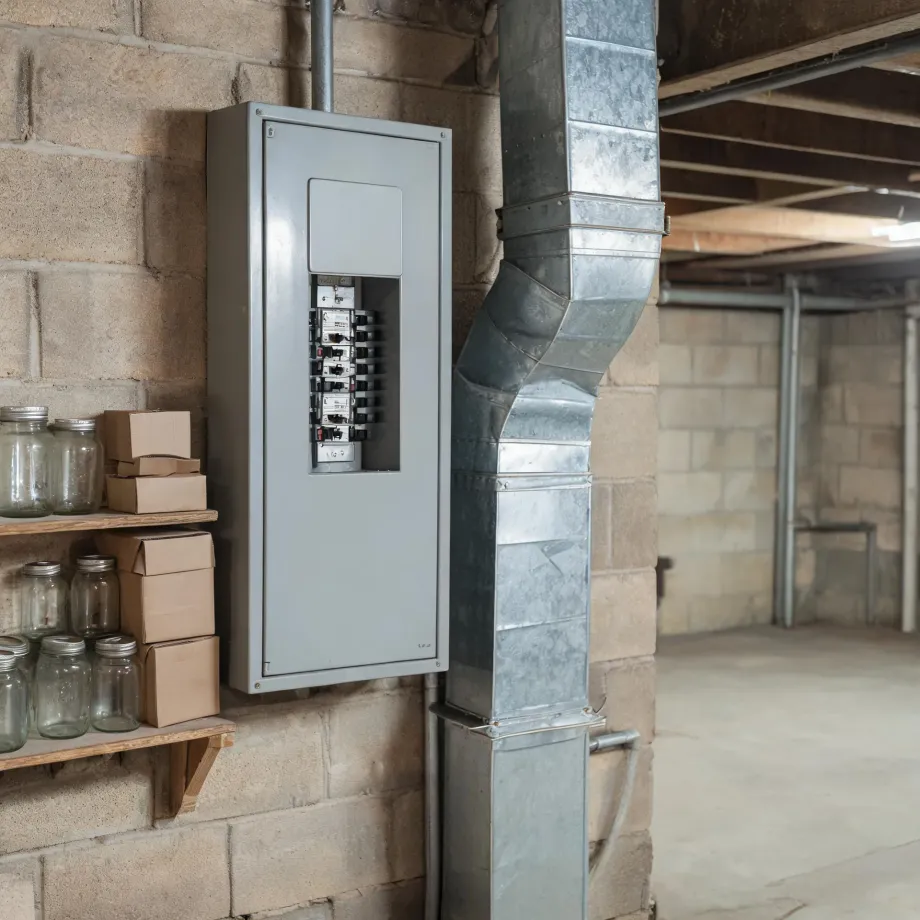
Ductwork in a house this old was sized and routed for whatever heated it first, and the heat pump running in it now arrived well after the walls were closed. Half the homes in Winona County, Minnesota were built in 1969 or earlier (2020-2024 ACS 5-year). A contractor opening a heat pump in stock like this finds components that have been cycling through Minnesota winters long enough that some replacement parts come from limited-run or discontinued lines. That is what shapes the repair scope: not the labor of getting into the unit, but whether what it needs is still being made.
The Parts of a Heat Pump a Contractor Checks First
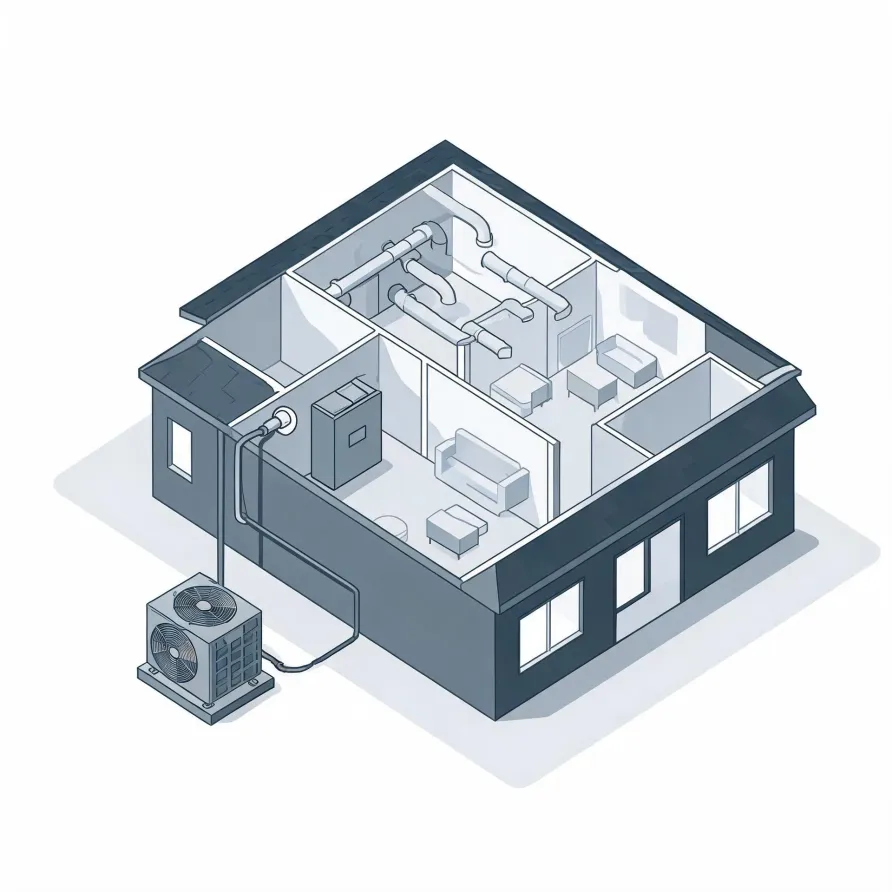
The outdoor unit is the piece most homeowners recognize: a metal cabinet sitting on a pad beside the house, housing the compressor and the outdoor coil. The compressor is what a contractor reaches for first when a heat pump stops moving heat. A failed compressor, a refrigerant leak at the coil, or a seized fan motor in that cabinet accounts for a large share of repair calls.
Inside the house, the air handler holds the indoor coil and the blower that pushes conditioned air through the home. When the indoor coil ices over or the blower motor runs weak, the system loses capacity without always throwing an obvious error. The refrigerant line set connecting the two units and the reversing valve inside the outdoor cabinet are also points a contractor checks when the system heats in one mode but not the other.
The drawing shows a general layout of these components, and a licensed contractor determines which parts apply and what condition they are in for your specific house.
Get matched in Winona CountyWinona County, by the numbers
190 severe weather events were recorded in Winona County, Minnesota between 2015 and 2024.
NOAA National Centers for Environmental Information, Storm Events Database, bulk CSV export, events 2015-01-01 through 2024-12-31.Half the homes in Winona County, Minnesota were built in 1969 or earlier (2020-2024 ACS 5-year).
U.S. Census Bureau, 2020-2024 American Community Survey 5-Year EstimatesWinona County, Minnesota holds 21,855 housing units (2020-2024 ACS 5-year).
U.S. Census Bureau, 2020-2024 American Community Survey 5-Year EstimatesOwners occupy 69.5% of the occupied homes in Winona County, Minnesota (2020-2024 ACS 5-year).
U.S. Census Bureau, 2020-2024 American Community Survey 5-Year EstimatesCodes & Standards Covering Heat Pump Repair in Winona County, Minnesota2 sourced rules and standards
Licensing and Legal Requirements in Winona County, Minnesota
Minnesota defines a mechanical contractor as a business that installs, repairs or maintains heating, ventilating, cooling or refrigeration systems — the definition that carries the exemption from the residential contractor licence.
Minnesota's residential contractor licence does not reach HVAC work: the licensing section carries its own exemption list, and a mechanical contractor is exempt from the licence requirement by name.
Severe Weather Events in Winona County
Extreme weather puts real strain on heat pump systems, which run hardest precisely when outdoor conditions are worst. Repair needs in Winona County track closely with what the weather demands of the equipment.
190 severe weather events, 2015–2024. Source: NOAA National Centers for Environmental Information, Storm Events Database.