
How cold is too cold for a heat pump in Minnesota

A local pro who knows heat pumps gets your details and gets in touch.

Match me with a pro

Most heat pumps start losing real heating power somewhere around 20 to 25 degrees, and below that, the system works harder for less heat. That's a real problem in Minnesota, where January nights regularly drop well below zero. The heat pump itself doesn't shut off or break at those temperatures. It just can't pull enough warmth out of the outside air to keep up on its own. That's why most homes here with a heat pump pair it with a gas furnace as backup, so the furnace takes over once the outdoor temperature drops past the point where the heat pump can carry the house. If your system doesn't have that backup, or if you're not sure how it's set up, that's worth having checked before the deep cold sets in.

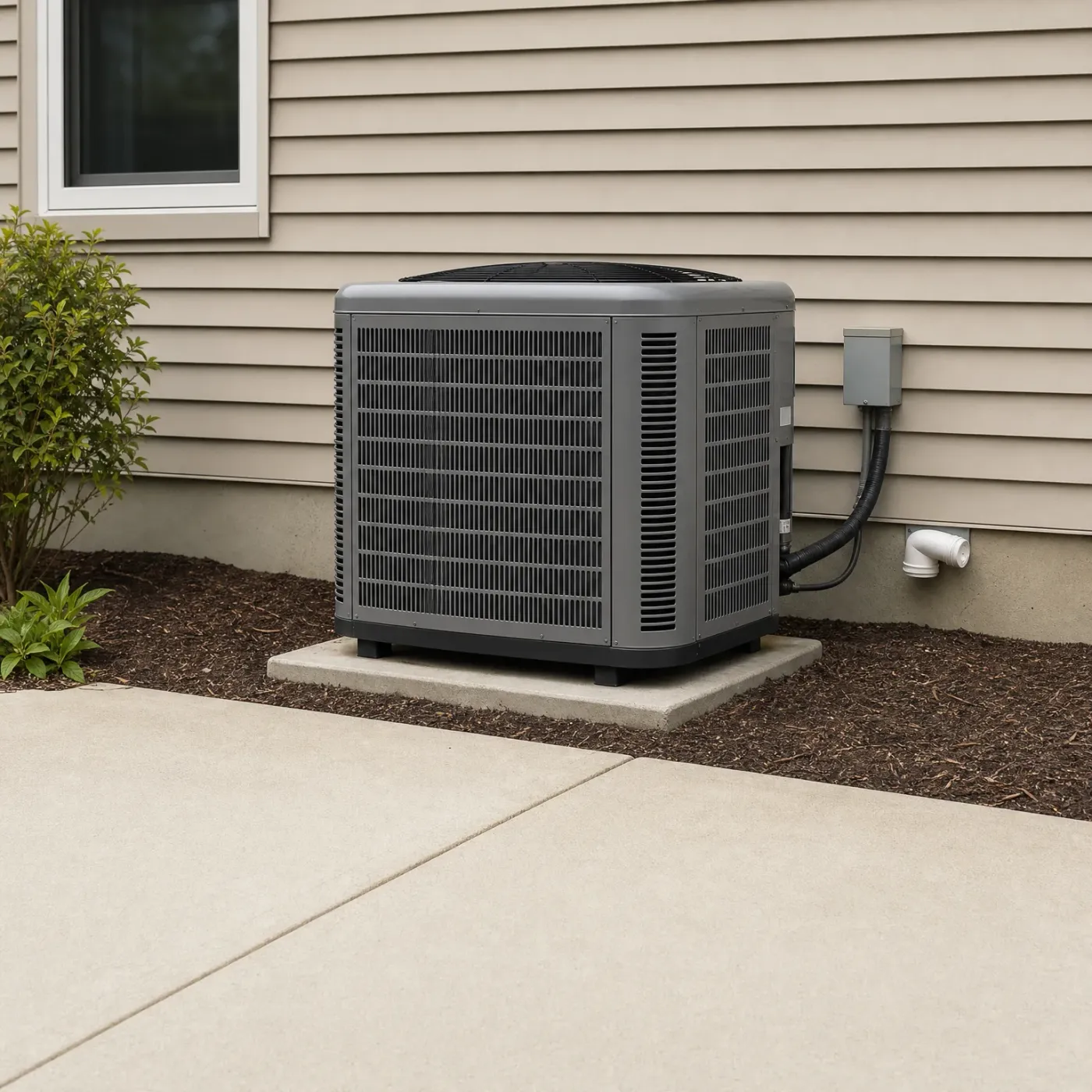
A gray outdoor condenser unit on a concrete pad beside a beige vinyl-sided house, with a wall-mounted disconnect box, flexible conduit, mulch bed, shrubs and a concrete walkway in front.

Working as it should

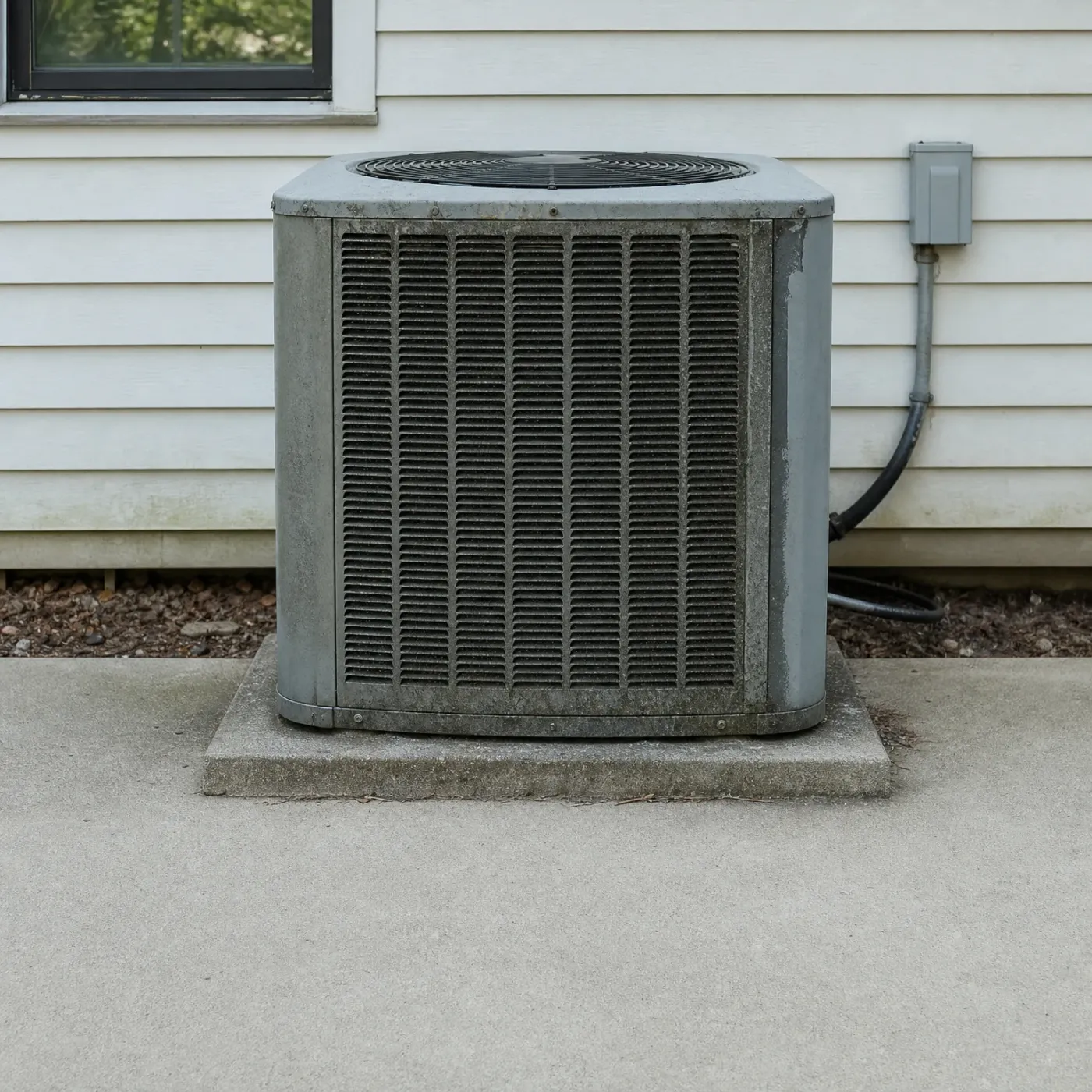
On a mild day the outdoor unit runs quiet and steady, pulling heat from the outside air without strain. You'd see this down into the 30s and often lower. The coil stays clear and the system keeps pace with the house without much help.
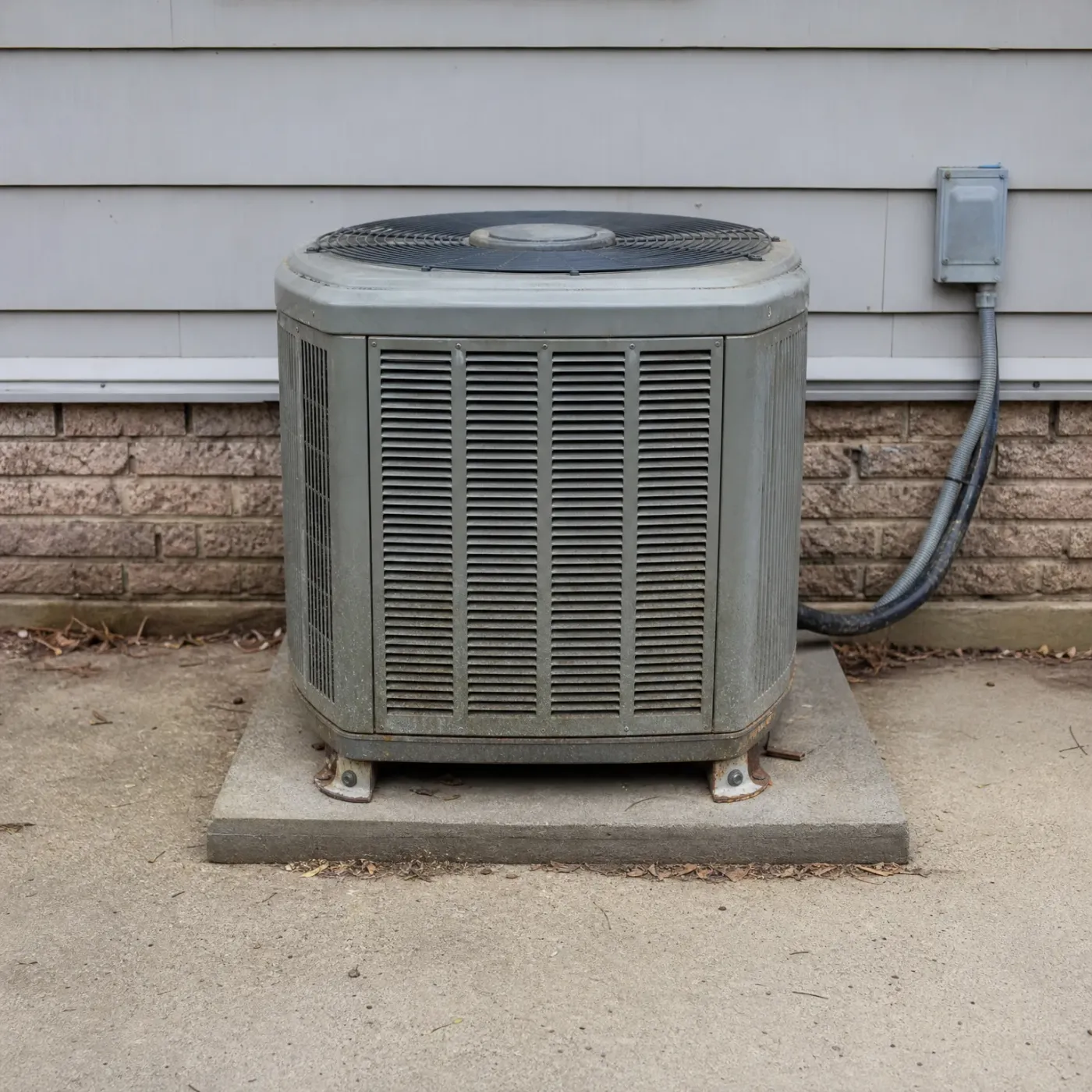

An outdoor air conditioning condenser unit on a concrete pad beside a house with horizontal siding above a brick foundation, with a flexible conduit running to a wall-mounted disconnect box.

Struggling in the cold

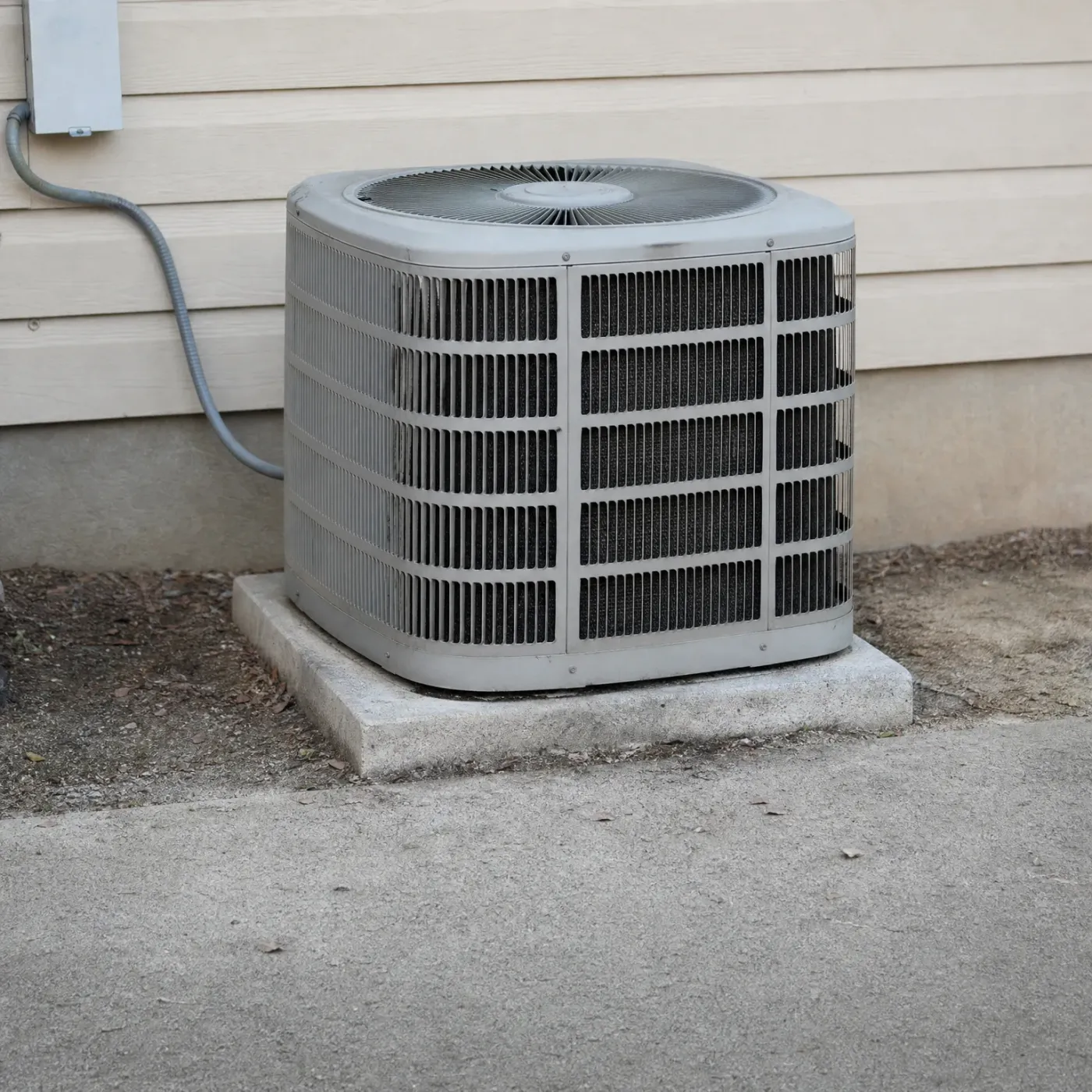
Once temperatures drop into the teens and below, the unit runs longer and still falls behind. Frost can build on the coil faster than it clears. This is when a backup heat source has to carry more of the load, and a contractor can tell you if yours is sized for it.

A man seen from behind raises his hand to wave at a woman standing in the open front doorway of a single-story house with gray shingle siding, white columns and a gabled porch entry.

What this means for your house on the coldest nights

When your outdoor temperature drops into single digits or below, you'll likely notice the air coming out of your vents feels cooler than usual. That's normal for a heat pump at that point, not a sign it's broken. Most homes in Minnesota lean on a gas furnace as backup for exactly these stretches, and that pairing is what keeps the house warm when the heat pump alone can't keep up. If your system doesn't switch over cleanly, or the backup heat isn't sized right for your house, you'll feel it as a room that won't hold temperature or a furnace that runs constantly without catching up.

Getting this right matters more in a cold climate than almost anywhere else, because the equipment and the controls have to be matched to your house, not just installed and left to figure it out. A contractor who works on heat pumps through a Minnesota winter knows which setups hold up at twenty below and which ones leave homeowners calling back in January. Getting matched with one local contractor who already does this work, rather than a handful of unrelated companies, means someone looks at your actual house and your actual furnace before anything gets decided.

A gray upholstered sofa with a textured cushion sits beside a dark round side table holding a vase of green foliage, with a table lamp and sheer-curtained window behind.
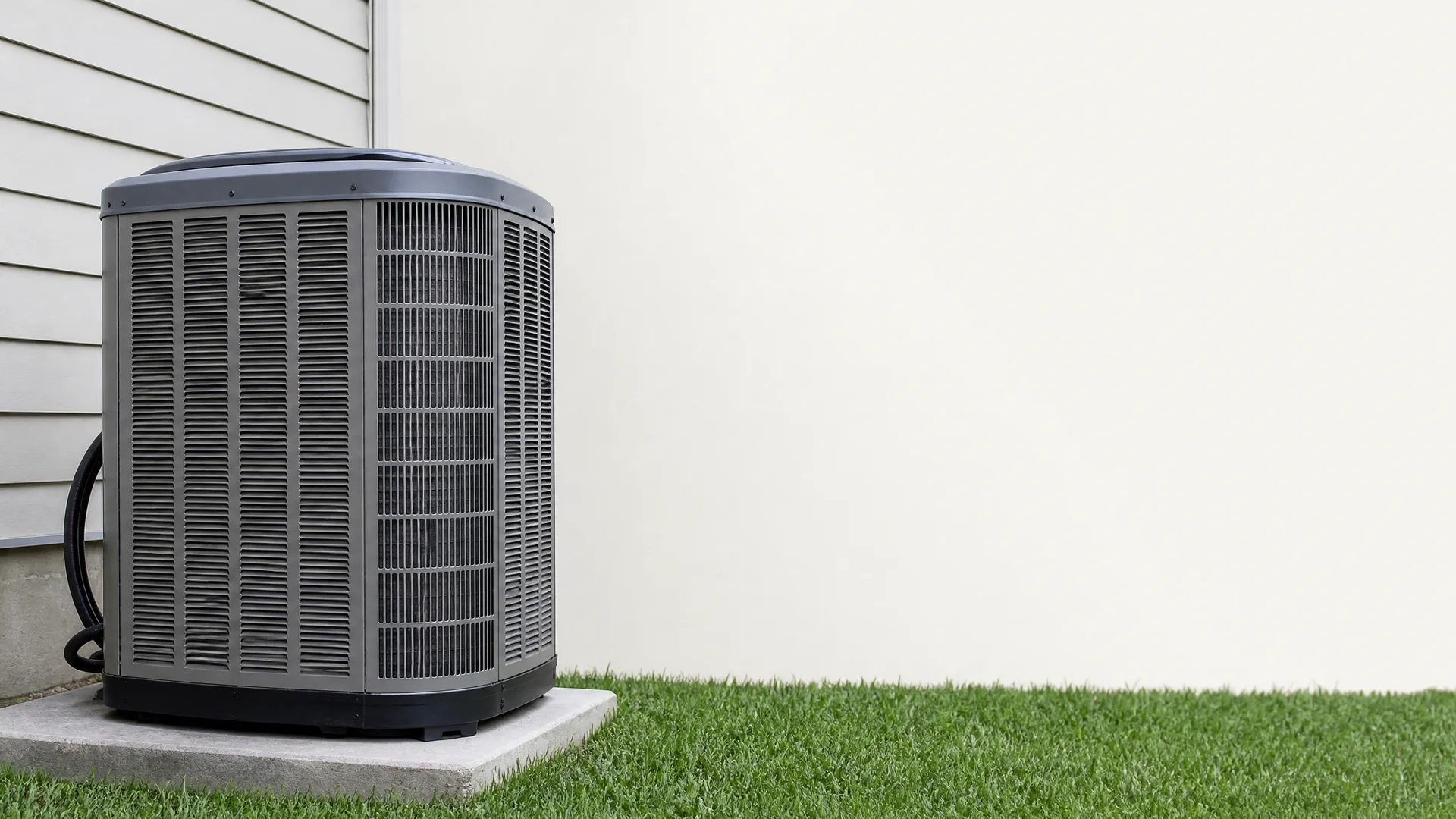
A gray outdoor air conditioning condenser unit on a concrete pad beside a house with horizontal siding, next to a green lawn and a plain light-colored wall.

Why cold air holds less heat

Heat pumps work by pulling heat out of outside air, and cold air simply has less heat in it to grab. At 30 degrees there's still plenty for the system to move indoors. At 10 below, the air is close to empty, so the unit runs longer and draws harder to deliver the same warmth. That's physics, not a flaw in the equipment, and it's why Minnesota winters push every heat pump toward its limit.

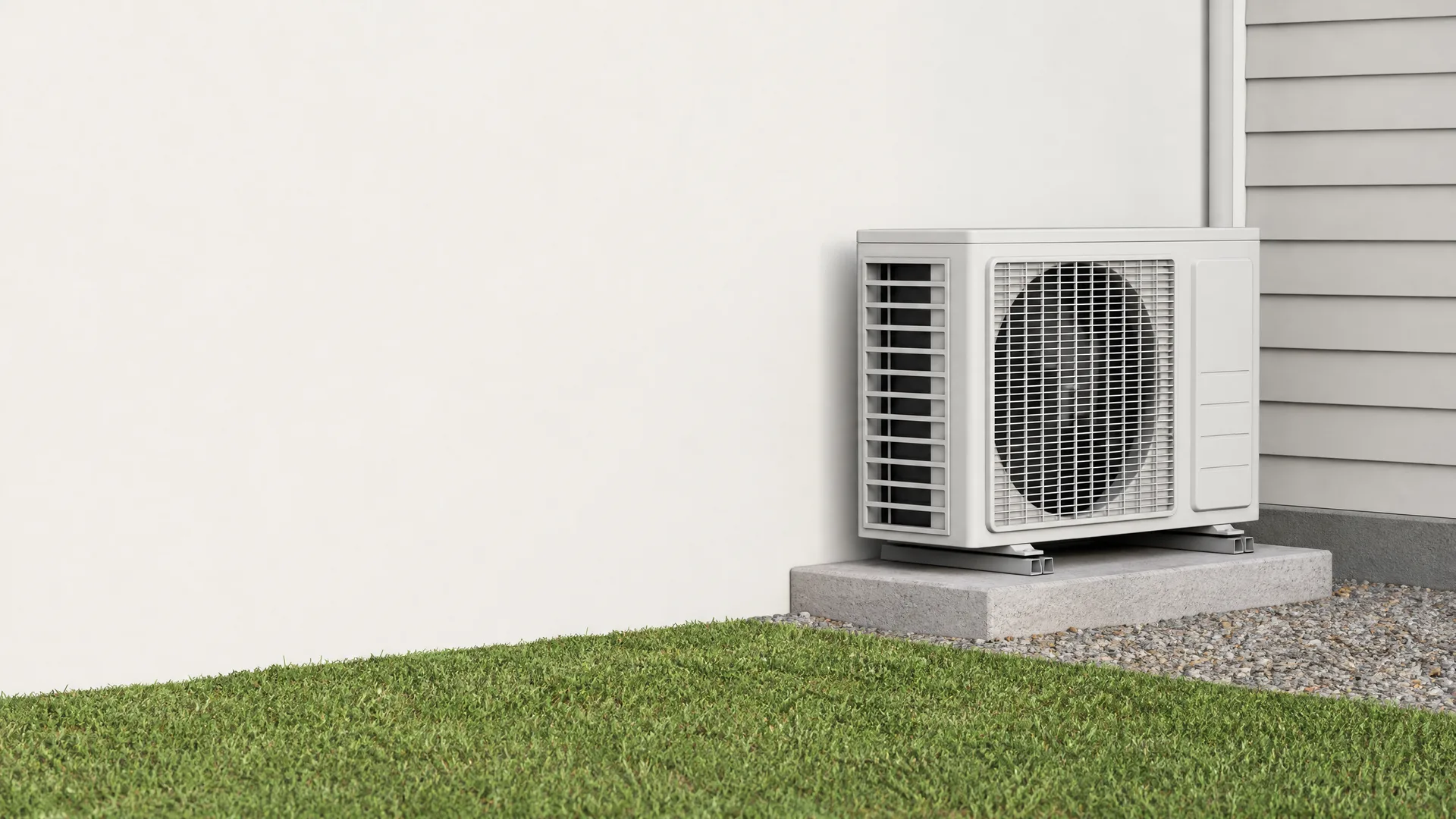
A white outdoor heat pump unit on a concrete pad beside a plain light wall, with gravel and mowed grass in front.

Why most homes have a backup

Because of that drop-off, most heat pump installations in Minnesota pair the unit with a backup heat source, often the gas furnace already in the house. The system switches over automatically when outdoor temperatures fall below what the heat pump can handle efficiently. You're not choosing between one or the other on a given night. The two are meant to hand off the job between them, so the house stays warm whether it's 25 degrees out or 20 below.

Why does my house feel cooler in the deep cold

On the coldest nights you might notice the vents blowing air that feels cool against your hand, even though the system is running the whole time. You could hear it cycling longer than usual, or the backup heat kicking on and off as the thermostat tries to hold the set temperature. Some homeowners notice certain rooms falling a few degrees behind the thermostat reading during a stretch of single digit or below zero weather. None of this means the equipment is broken. But if the backup heat isn't keeping pace, or if the house keeps losing ground overnight, that's worth having a contractor look at before the next cold snap, especially for anyone in the house who's more sensitive to a cold room.

A woman with long wavy brown hair in a grey ribbed sweater sits on a couch indoors, looking toward a window, with a potted palm-like plant and fireplace behind her.
A woman with long brown hair wearing a green V-neck top and beige cardigan sits on a light sofa, looking off to the side, with a dining table, lamp and framed picture in the background.
A woman with long dark hair in a cream knit sweater sits on a beige sofa indoors, looking toward a bright window with a houseplant and framed picture in the background.
A woman with long dark hair in a green knit sweater sits on a couch indoors, smiling and looking toward a window with a blurred room behind her.
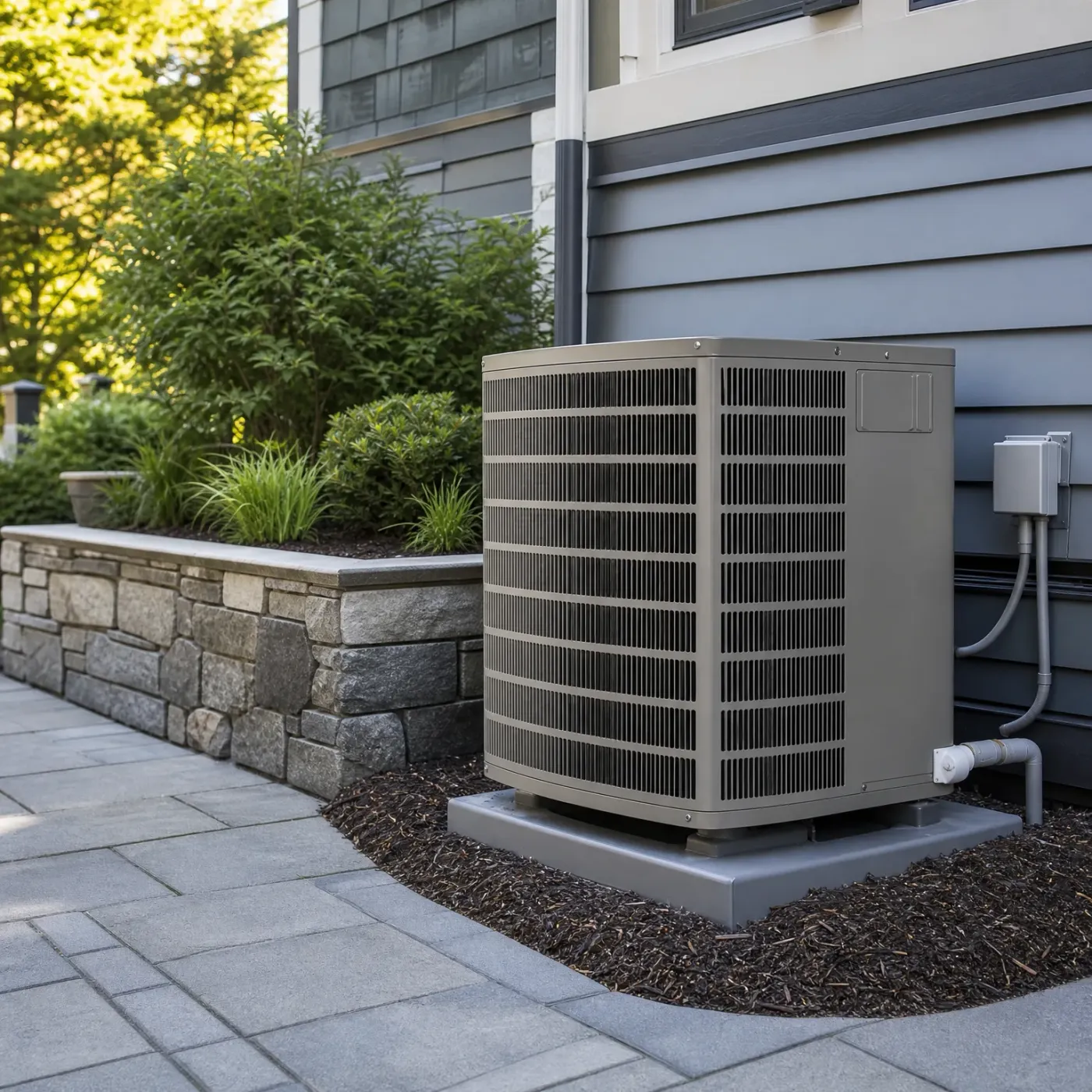
A beige outdoor condenser unit on a gray pad beside a house with gray horizontal siding, with refrigerant lines and an electrical disconnect box on the wall, bordered by dark mulch, a stone retaining wall with shrubs, and a paver walkway.

A pro who works on heat pumps

One installer gets your project, so there's no bidding war over it.

Get in touch with a local installer about a new heat pump.

Find a licensed pro

There's no charge for the request.

How does the backup heat know when to kick in?

You've probably heard the heat come on sounding different, or noticed the vents suddenly feel warmer than usual on a brutal night. You're not wrong to notice. There's a second heat source in the system for exactly this kind of cold, and it doesn't wait for you to adjust anything. It's worth knowing what triggers it, because that moment is doing a lot of the work keeping the house warm when the outdoor air has almost nothing left to give.

A thermostat sensor triggers it, not a guess by the system

Most systems use an outdoor temperature sensor wired to the thermostat, set to call for backup heat once the air outside drops past a set point, often somewhere in the teens or lower depending on how the system was installed. Once that point is crossed, the backup heat, usually electric resistance coils, kicks in to supplement the heat pump rather than replace it. The heat pump keeps running. The backup just adds what the outdoor air can no longer supply. In Minnesota, where January can sit below zero for days, you'll likely hear or feel this happen more than once a winter, and that's the system doing what it's supposed to.

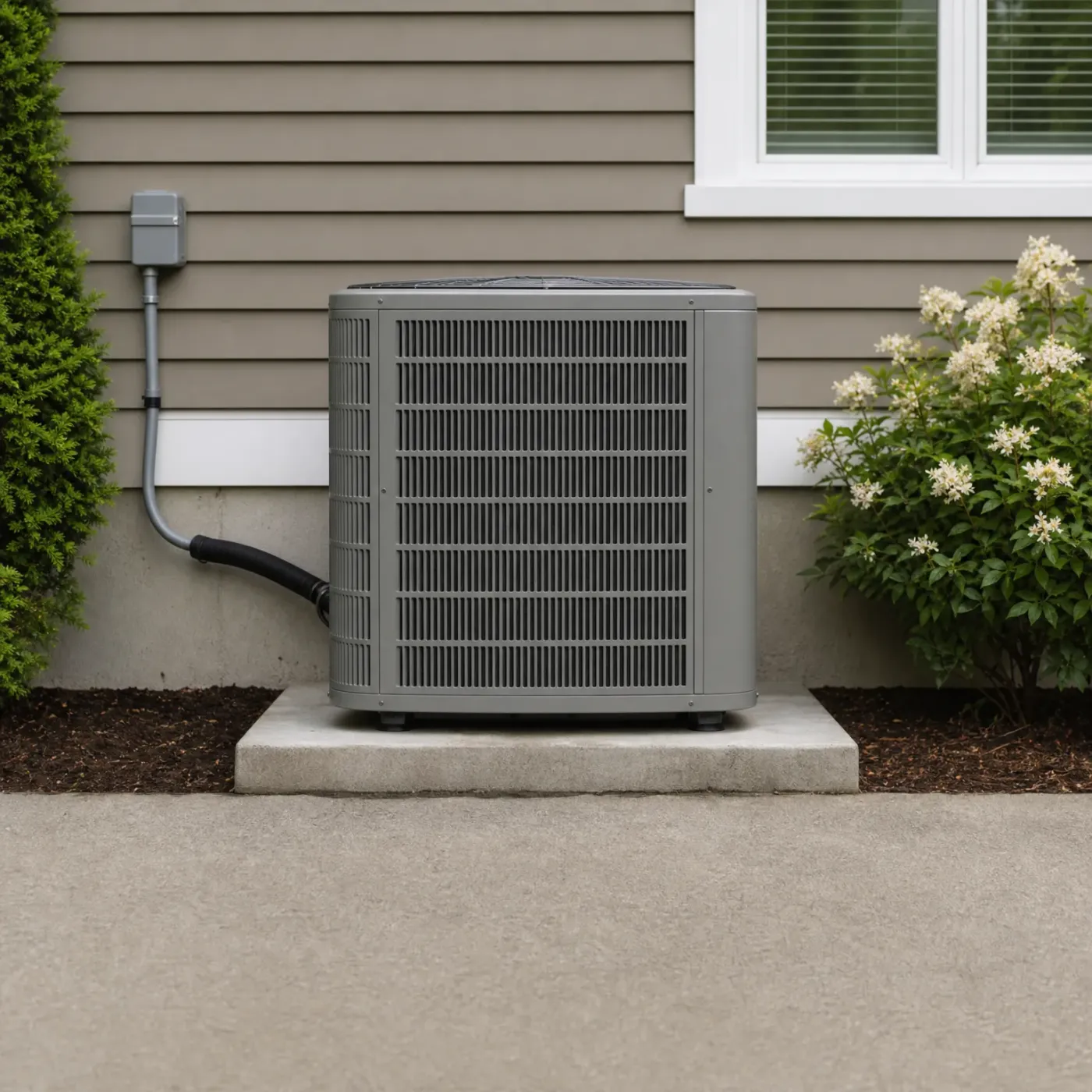
A gray outdoor condenser unit on a concrete pad beside a house with horizontal lap siding, a conduit and disconnect box on the wall, a shrub with white flowers at right and evergreen foliage at left.
A heat pump on a day like this keeps up on its own, drawing heat from outside air without any help from backup.
A gray outdoor air conditioning condenser unit on a concrete pad beside a house with light vinyl siding, with a gray electrical disconnect box and conduit on the wall to the right.
A unit left to run through a Minnesota January without backup heat or a fresh look from someone local will fall behind fast.

Power costs 15.83 cents per kilowatt-hour statewide

At 15.83 cents a kilowatt-hour, every hour the backup heat runs costs more than the heat pump alone would. That's why a system sized and installed right for your house, one that leans on backup only when it has to, matters more here than in a milder state.

EIA-861 2025 statewide residential average

An outdoor air conditioner condenser unit on a concrete pad beside a house with beige horizontal siding, with conduit running from an electrical box on the wall.
Before you get your heat pump installation
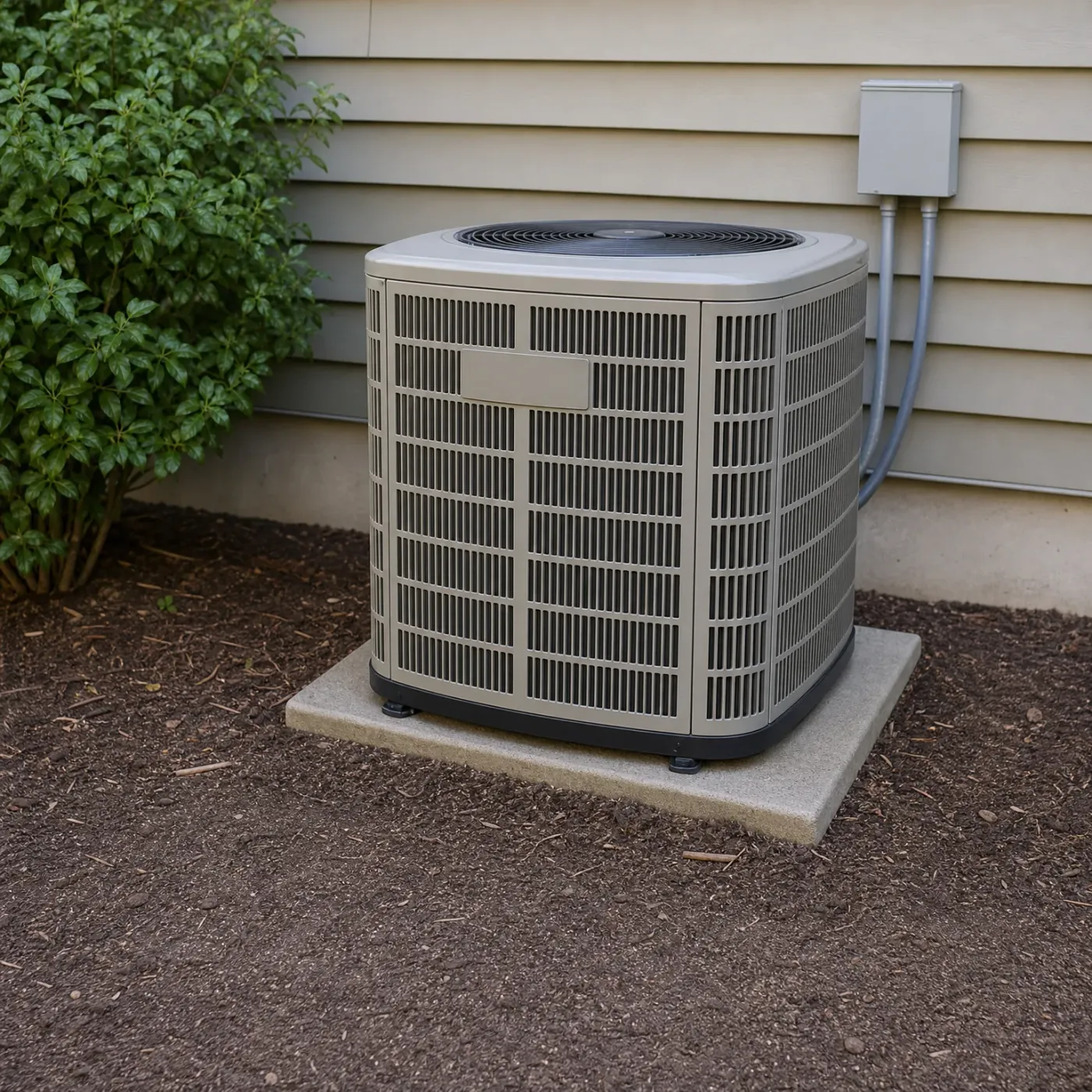
A beige outdoor air conditioning condenser unit on a concrete pad beside a house with horizontal vinyl siding, with refrigerant lines and a disconnect box on the wall, surrounded by dark mulch and a green shrub at left.
After you get your heat pump installation

Where your heat pump stands

  • A heat pump in Minnesota starts losing real heating power around 20 to 25 degrees outside.
  • Below that point it keeps running, it just moves less heat with each cycle.
  • Backup heat fills the gap on the coldest nights, usually single digits or lower.
  • Running on backup costs more per hour at 15.83 cents a kilowatt-hour than the heat pump alone.
  • Vents blowing cooler air on a frigid night is normal, not a sign the system is failing.
  • Sizing and installing the system right for your house keeps backup heat as the exception, not the rule.

Cold is too cold for a heat pump somewhere around 20 to 25 degrees, and once the outside air drops past that, the unit is pulling heat out of air that doesn't have much to give. It doesn't shut down. It just does less with every cycle, and that's when backup heat has to step in to keep the house at temperature. On a January night in single digits or below, that's expected, not a malfunction. The vents blowing cooler than usual, the system running longer than it would in October, the backup kicking on partway through the night: all of that is a heat pump doing what it's built to do in weather this cold. What changes the outcome is whether backup heat stays the exception or becomes the rule. At 15.83 cents a kilowatt-hour, every hour it carries the load costs more than the heat pump running alone, so a system that's sized and installed right for your house will lean on it less. One that isn't will lean on it more, night after night, all winter. The difference between those two houses isn't the weather. Minnesota gives everyone the same cold snaps. It's whether the equipment matches the house it's heating, and that gets decided at installation, not in February when it's 15 below and the backup is running more than it should.

A gray-haired woman in a cream knit sweater stands in a dimly lit kitchen at night, looking to her right, with a round loaf of bread in the foreground and a dark window and potted plant behind her.
A woman and a sleeping child wrapped together in a cream knitted blanket on a couch, with a potted plant, framed photo and lit lamp in the background.

Heat Pump Installation

Get your heat pump to the right pro

Only one pro gets your request, so you hear from one company.

A black-framed smartphone standing upright against a plain white background, its screen filled with solid green.
Step 1 of 3: Equipment