Describe your heat pump job, and a local pro who handles it gets in touch.
A heat pump in Minnesota works harder than one in most states. It's not just cooling your house through a mild summer. It's pulling heat out of air that drops well below zero, and most homes here still lean on a gas furnace for the coldest stretch of winter. How long that heat pump lasts depends on how it was sized, how it was installed, and whether it's been running as a second system alongside gas or carrying the full load on its own.
That last part matters more than people expect. A heat pump installed to work with your furnace sees less strain than one asked to heat your house alone through January. The install decision made years ago, or the one you're facing now, shapes how many winters the equipment has left in it.
If you're trying to figure out whether your current heat pump is nearing the end, or whether a new install should be paired with your gas furnace or sized to stand on its own, that's a decision worth getting right the first time. Getting it wrong means another call, another repair, another conversation explaining your setup from scratch to someone new.
You don't have to sort through contractors on your own, call around for quotes, or repeat your situation to five different people before you find one who actually installs heat pumps for Minnesota winters. Answer a few questions about your home and what you're trying to do, and a contractor who handles this kind of installation in your area will reach out to you directly.
That's the part that usually eats the most time: finding someone who knows how a heat pump and a gas furnace work together here, and getting them on the phone. The rest of this page walks through what actually determines how long your heat pump will hold up.
A heat pump in Minnesota typically lasts 12 to 15 years, often less than the 15 to 20 you'll see quoted for milder states. The reason is the cold. Below about 30 to 35 degrees, a heat pump has to work harder to pull warmth out of the air, and once temperatures drop toward zero, the outdoor coil can ice over and the unit has to run defrost cycles just to keep working. That extra strain adds up over a winter, and over many winters it wears the compressor down faster than it would in a place that never gets that cold. Since most homes here pair the heat pump with a gas furnace for the coldest weeks, the heat pump itself often isn't the one running nonstop through January, which helps some. Either way, 12 to 15 years is what to plan around, not the higher number you might find searching generally.
Before you get your heat pump installationAfter you get your heat pump installation
Answer a few questions instead of calling shop after shop.
Sending the form costs nothing.
Pairing With a Furnace or Going It Alone
Running it alongside a gas furnace
The heat pump handles the milder stretches of the year, and the furnace takes over once it gets too cold for the heat pump to keep up efficiently.
Splitting the load this way keeps the heat pump from straining through the coldest weeks, which can help it last closer to the 15-year mark.
You'll still want the furnace checked on its own schedule, since it's doing real work on the coldest days of the year.
Switching between the two systems depends on a thermostat or control setup working correctly, so that's worth having checked too.
Running the heat pump on its own through winter
The heat pump does all the heating itself, including on the days when it's pulling warmth out of air well below freezing.
That extra strain in the coldest months is a big part of why some Minnesota heat pumps land closer to 12 years than 15.
Without a furnace backing it up, the heat pump's compressor and defrost cycle take on more wear over a given winter.
This setup depends more heavily on the heat pump being sized correctly for your house from the start.
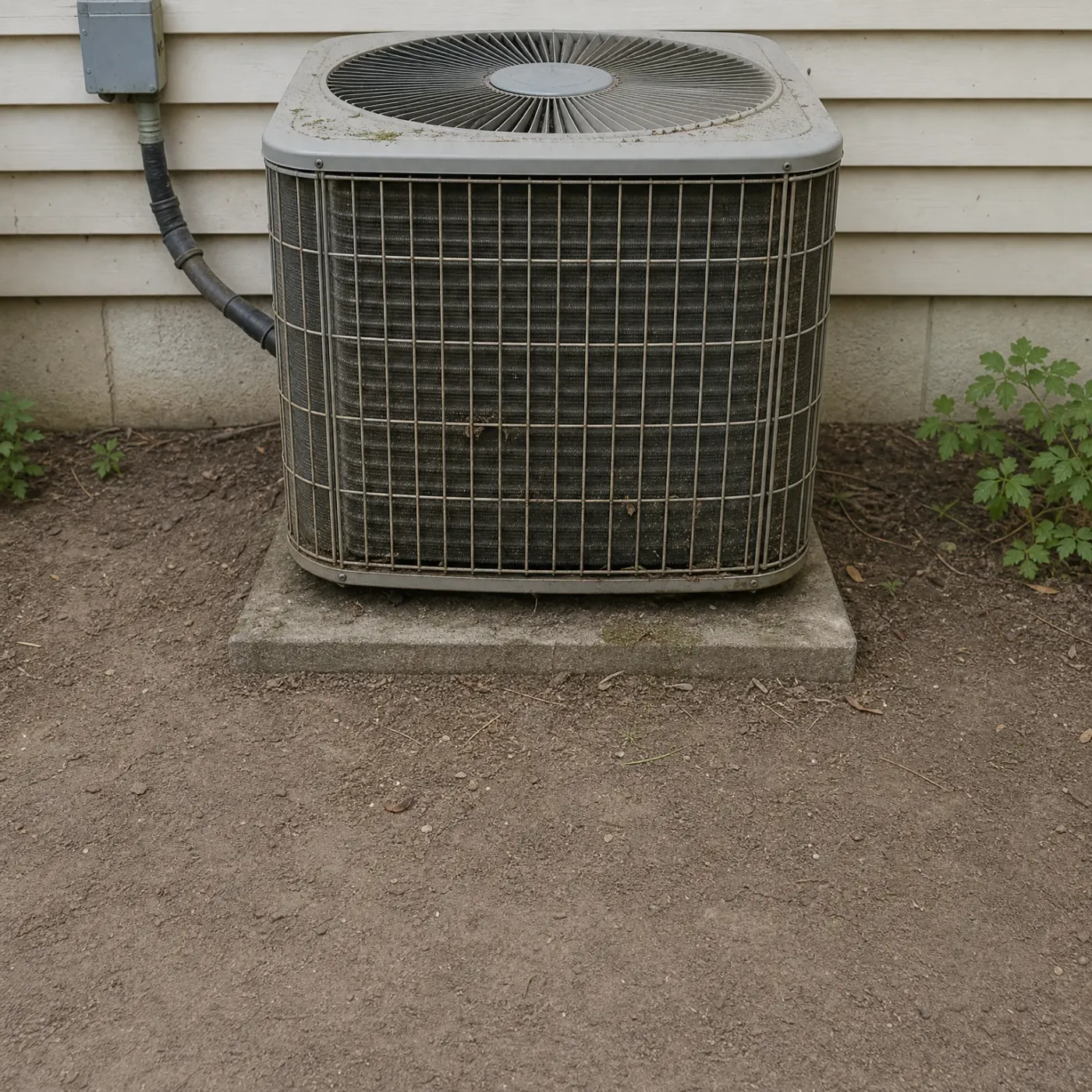
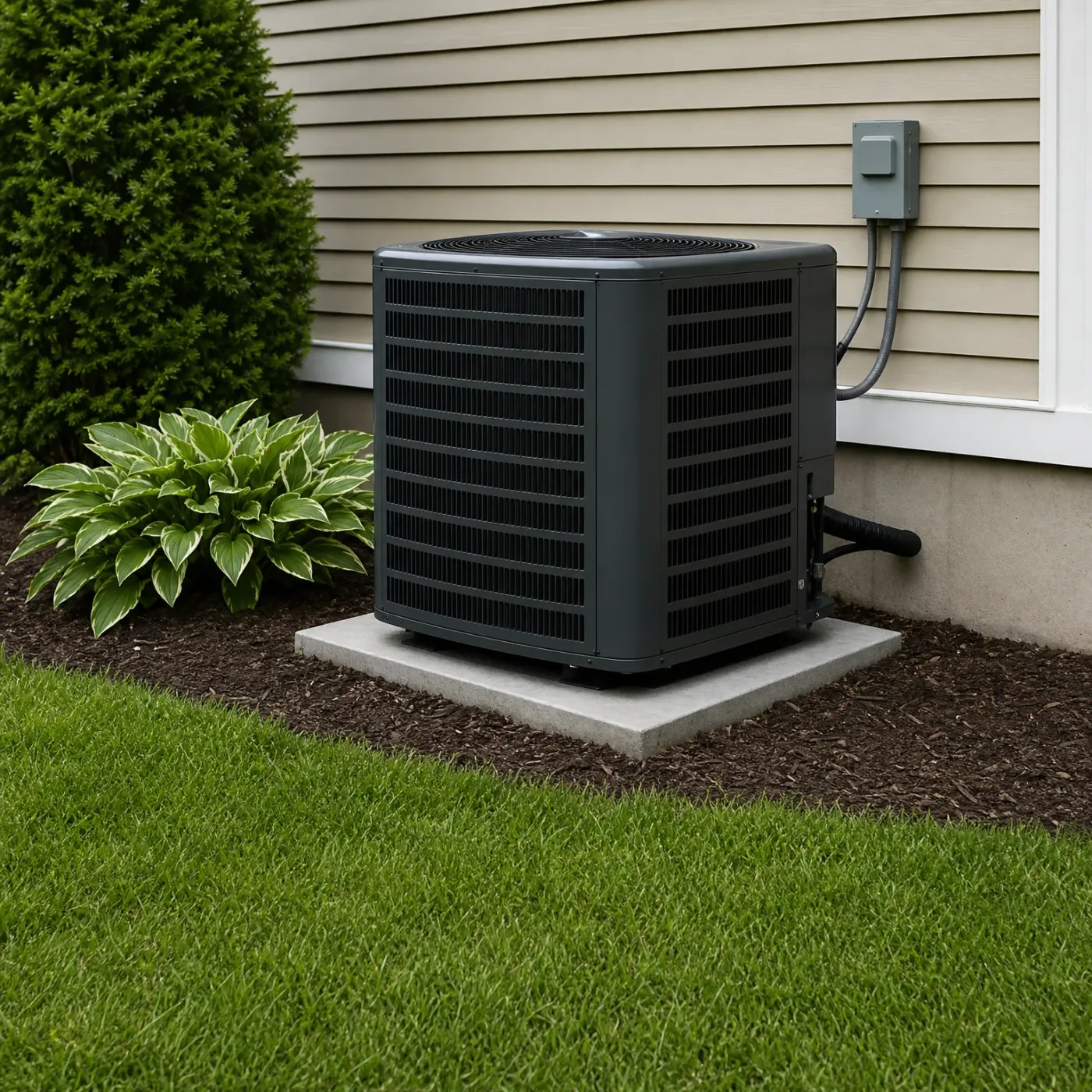
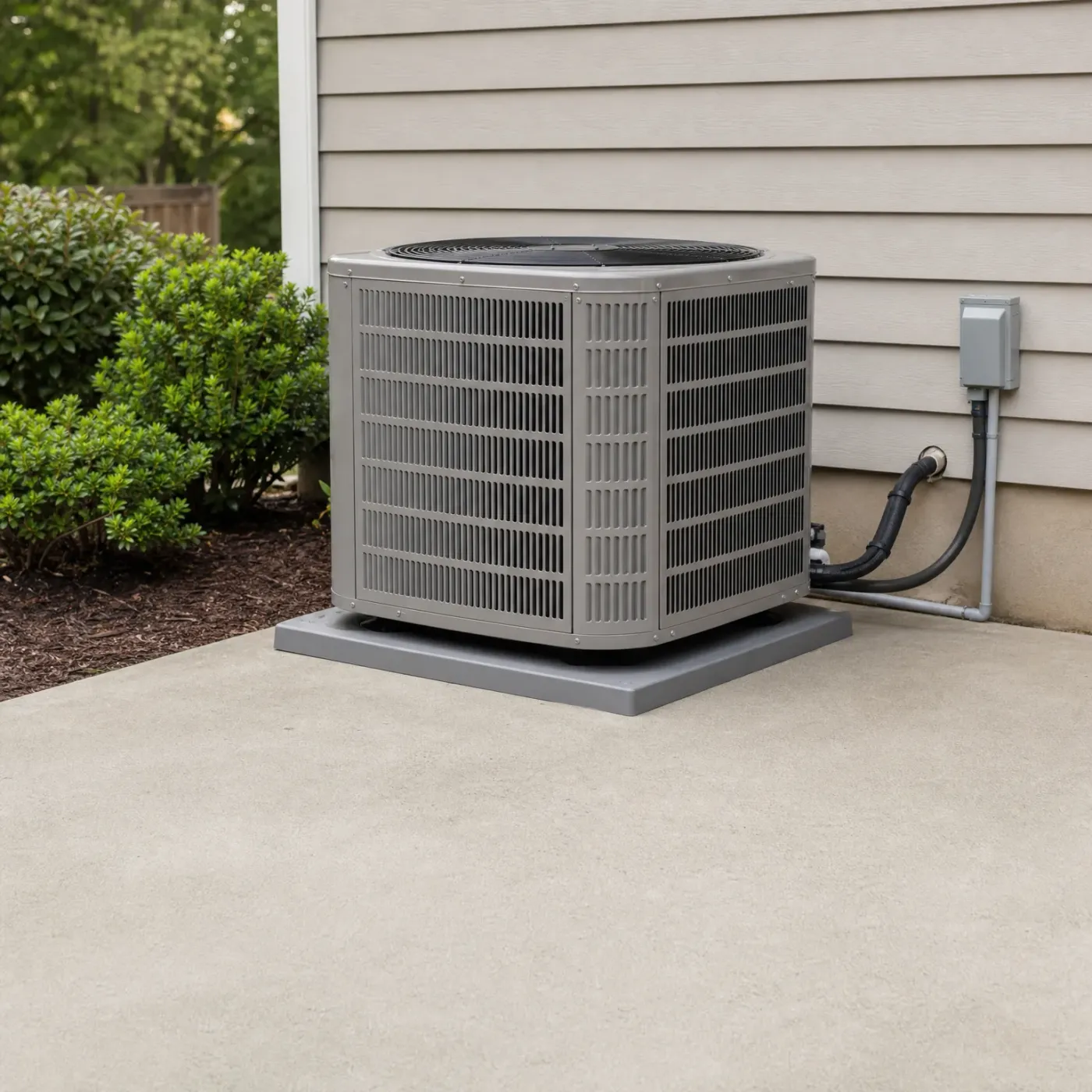
A unit that's keeping pace
Clean grille, clear coils, nothing piled against the cabinet. A heat pump that looks like this is moving air the way it should. In Minnesota's cold, a unit that isn't fighting dirt and debris has a better shot at reaching 12 to 15 years.
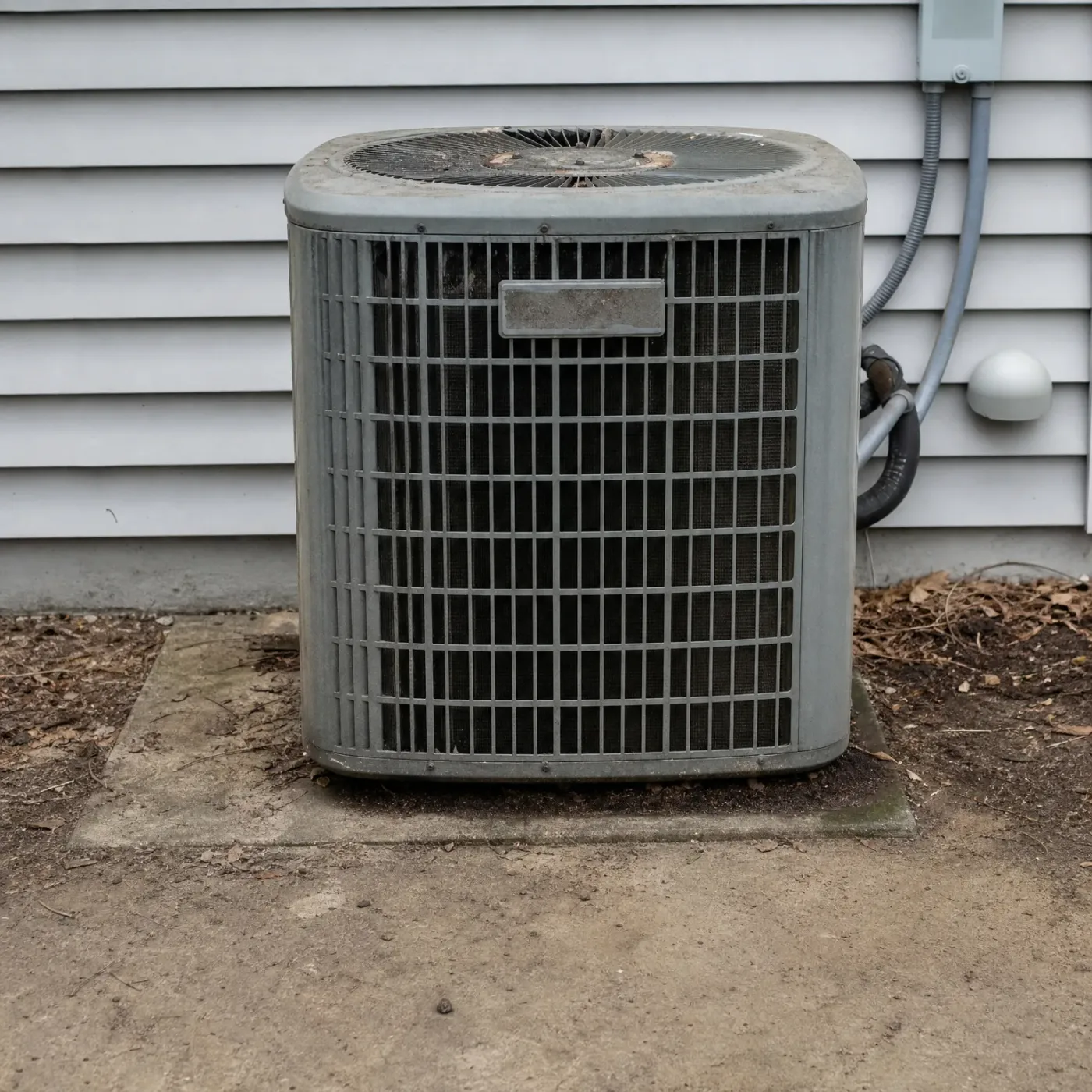
A unit losing ground
Grime caked on the grille, leaves packed around the base. Airflow suffers, and a heat pump already working hard against Minnesota's cold has to work harder still. Left like this through a few winters, it can fall short of the years it should have given you.
Power costs 15.83 cents per kilowatt-hour statewide
At 15.83 cents per kilowatt-hour, every extra hour your heat pump runs below freezing shows up on the bill. Pairing it with your gas furnace for the coldest days keeps it from leaning on expensive electric backup heat to make up the difference.
EIA-861 2025 statewide residential average
What a Minnesota Heat Pump Comes Down To
A heat pump in Minnesota typically runs 12 to 15 years, shorter than the 15 to 20 common in milder states.
The gap comes down to how often it has to work below 30 to 35 degrees, which is a lot of the winter here.
Pairing it with a gas furnace for the coldest stretches keeps the heat pump from carrying a load it was never built to carry alone.
A unit that's clean and clear of debris has a better shot at reaching the upper end of that range.
Comparing contractors on your own means separate calls, repeating the same details about your system each time, and sorting through quotes that aren't laid out the same way.
Matching with a contractor who already knows how heat pumps hold up in Minnesota winters skips that legwork.
A heat pump installed in Minnesota settles into a shorter life than the number you'll see for warmer states, and the cold is the reason. Every winter it spends hours below 30 to 35 degrees working harder to pull heat out of the air, and that stretch runs long here. Paired with a gas furnace for the coldest days, it never has to carry a load it wasn't built for alone, and that pairing is what gets it toward 15 years instead of falling short of 12. Keeping the cabinet clean and the coils clear helps too, though it won't undo what a long winter asks of the unit.
None of that changes by shopping around for who installs it. What changes is how much of your own time goes into finding them. Left on your own, you're calling one contractor, then another, laying out the same details about your system and your house each time, then trying to weigh quotes that don't list the same things or price them the same way. That part isn't about the heat pump. It's the work of finding someone who knows how these units hold up through a Minnesota winter, before the actual installation even starts. Getting matched with a contractor who already works in heat pumps here means you tell your situation once, and the comparing and sorting that follows is handled on your behalf rather than yours to sort out alone.