Profile view of a bearded man wearing a dark baseball cap and a dark gray T-shirt against a plain off-white background.

Is a cold-climate heat pump worth it in Minnesota

Step 1 of 3: Equipment

Is a cold-climate heat pump actually worth it in Minnesota?

You already bought the thing. Now winter is coming and you want to know whether it was the right call, or whether you're about to find out the hard way that a heat pump can't keep up once it's below zero outside. Minnesota winters don't leave much room for a system that quits when you need it most.

Yes, if it's sized and installed for the cold

A cold-climate heat pump is built to keep pulling heat from outside air down into negative temperatures, which is what sets it apart from a standard heat pump. That's the difference that matters here, since most homes in Minnesota heat with gas and the furnace is still sitting there as backup. On the coldest nights, the furnace can carry the load while the heat pump keeps handling everything else. Where it pays off is in the shoulder months and the warm summers here, running efficiently without the heavy, humid air to fight. Whether it's worth it for you comes down to whether the unit was sized for your house and your coldest days, not just the mild ones.

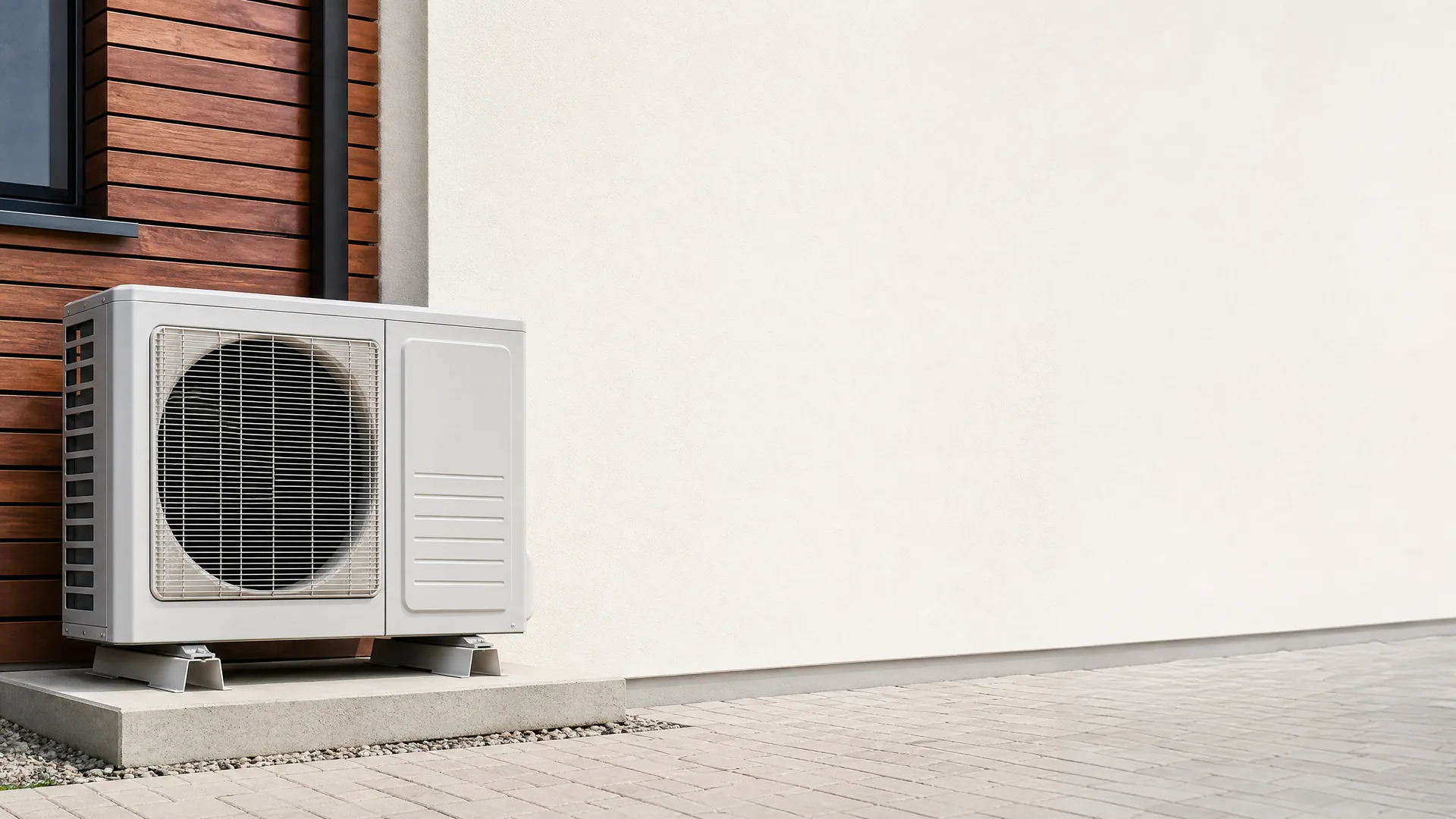
A white outdoor heat pump unit on a concrete pad beside a house with wood-slat siding and a large plain light-colored stucco wall, with paving stones in the foreground.

Why cold-climate models still work

A standard heat pump starts losing real capacity somewhere around freezing. A cold-climate model is built with a different compressor, one that can still pull heat out of outdoor air well below zero. That's the whole difference on paper, and it's the reason the cold-climate label matters here. In most of the country that distinction barely comes up. In Minnesota it decides whether the system heats your house in January or just in October and April.

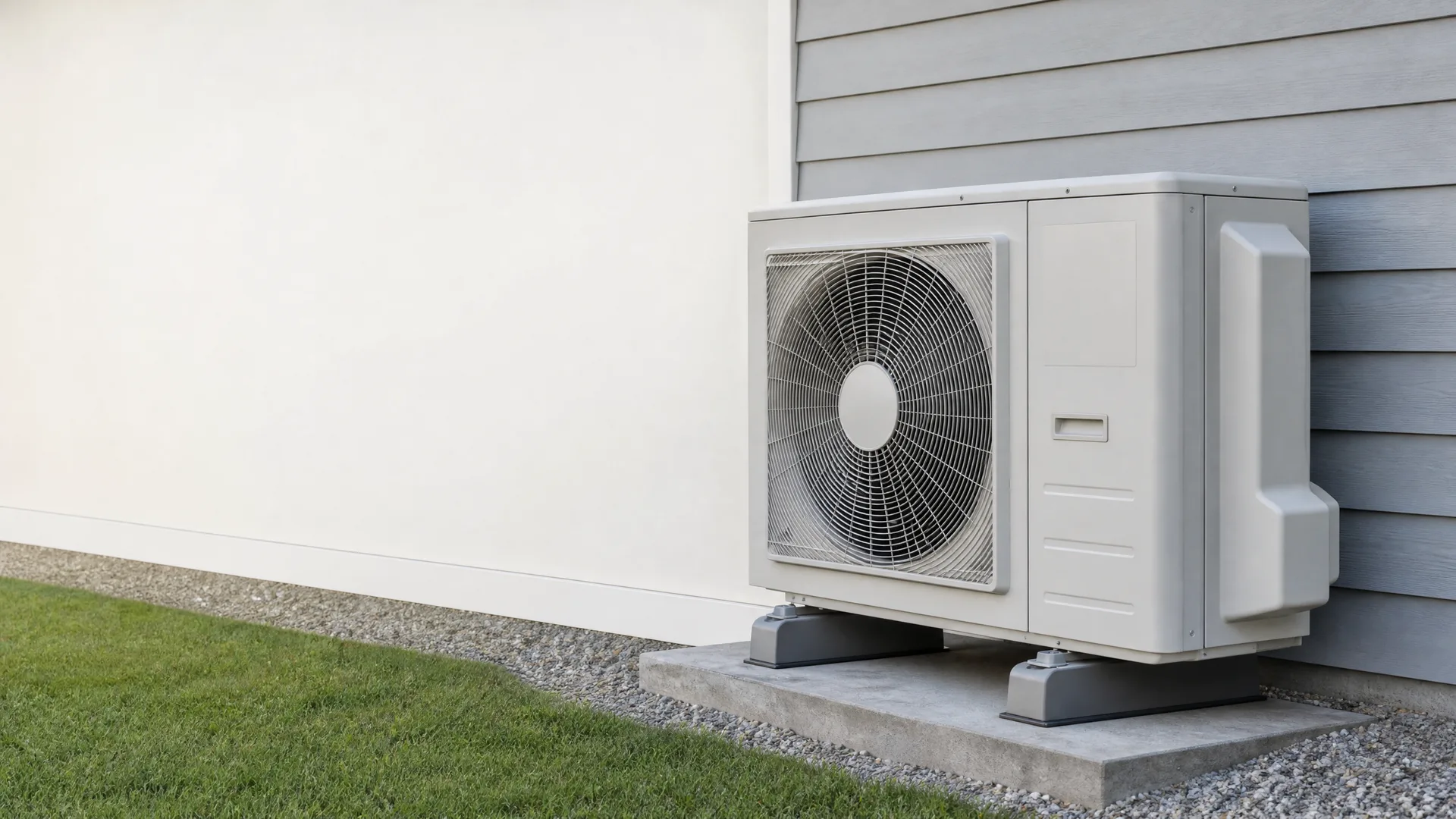
A white outdoor heat pump unit on rubber feet sits on a concrete pad beside a gray-sided house wall, next to a smooth light wall, gravel strip and lawn.

What happens when it can't keep up

Most of these systems pair with a gas furnace that was already in the house, or with backup electric heat strip. When the outdoor temperature drops low enough that the heat pump can't supply the whole load, the system shifts over automatically. You don't have to do anything. The furnace, if you have one, picks up the rest of the heating on the coldest stretches of the winter, and the heat pump goes back to carrying the load once it warms back up.

Is yours actually keeping the house warm

Go stand under a vent on a single-digit morning. If the air coming out feels barely warm, not hot, that can still be normal for a heat pump, but if the house is slowly losing ground and the gas furnace backup is kicking on more than you expected, something's off. Listen for the outdoor unit running constantly without much defrost cycling, or frost building up on the coil and staying there. A unit that's undersized for a Minnesota winter, or set up wrong on the thermostat, will lean on backup heat far more than it should, and your gas bill will show it before anything breaks. Left alone, that usually means higher bills all winter, not a failure, but it's worth having someone who installs these locally take a look.

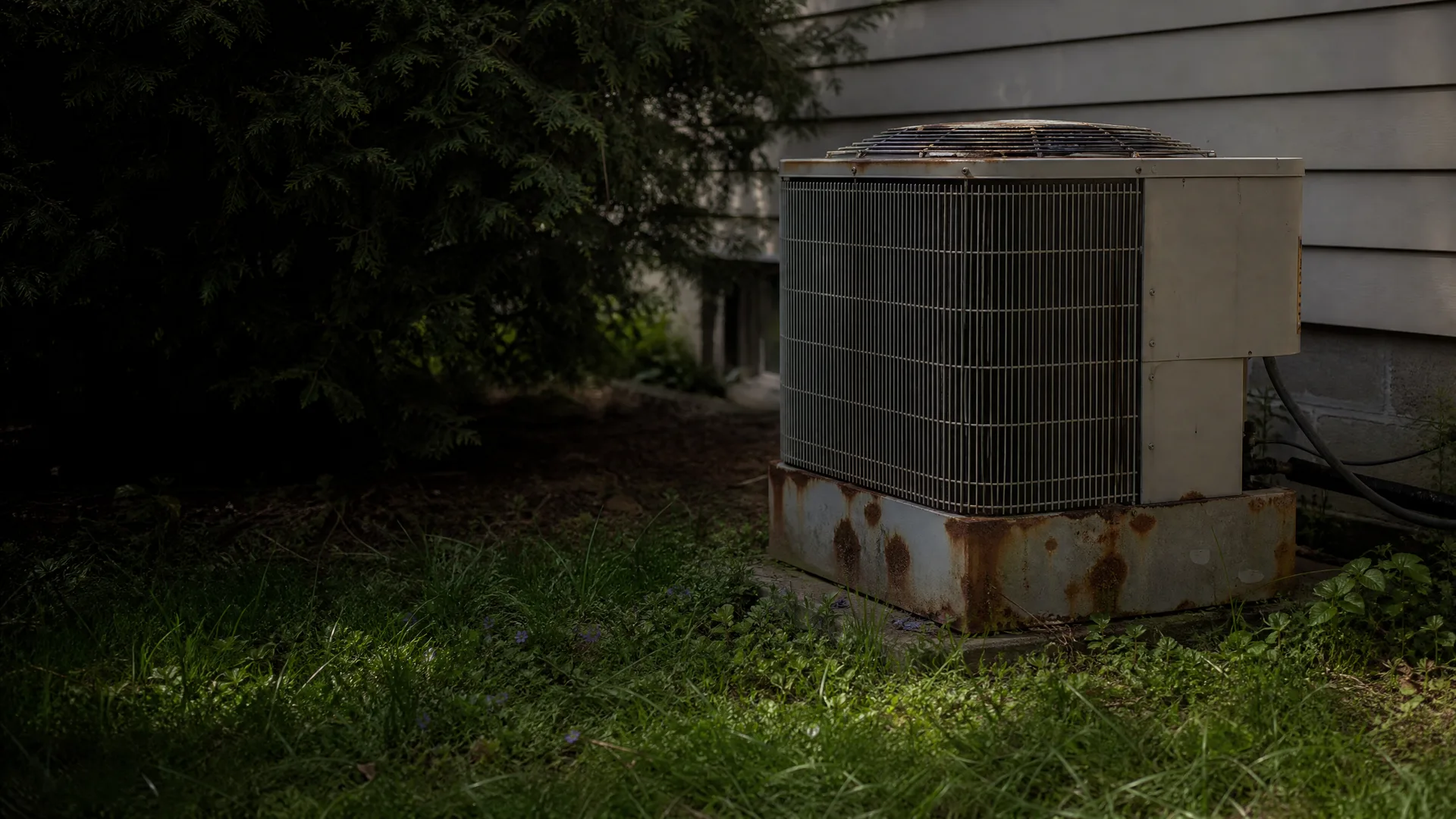
An outdoor air conditioner or heat pump condenser unit sits on a rusted concrete pad beside a house with horizontal siding, surrounded by grass and dark evergreen foliage.

You're out in the side yard in March, snow mostly gone, mud still frozen in patches, and you walk past the outdoor unit on your way to check the garden beds. It's been running since October. You crouch down out of habit, the way you check anything that's been working hard all winter, and you notice rust starting along the base, right where it sits on the pad. Not much. Just a line of it, orange against the gray housing, where snowmelt sat against the metal for weeks at a time. You run a thumb over it and make a note to ask someone about it before next winter.

Which One Carries the Winter

Keep the gas backup

  • On the coldest nights, the furnace carries more of the load, so your gas bill stays closer to what it's always been in January and February.
  • You're not depending on one system alone when it's twenty below outside, which matters if the heat pump ever needs a repair mid-winter.
  • Gas heat recovers fast after a cold snap, so if the house loses ground overnight, the furnace catches it back up quickly in the morning.
  • A furnace that's already paid for keeps doing its job without asking anything new of your ductwork or electrical panel.

Lean on the heat pump

  • A cold-climate model keeps pulling heat from outdoor air well below freezing, so it can carry the house through most of the fall and spring without the furnace at all.
  • Minnesota summers don't get as heavy and humid as other parts of the country, so the same unit handles cooling without working as hard as it would somewhere muggier.
  • Every hour the heat pump runs instead of the furnace is gas you didn't burn that month.
  • The less the furnace fires, the fewer hours accumulate on its igniter and burners, which matters if you'd rather stretch its life out.
  • Running the heat pump as the main system and the furnace only as backup is a setup a local contractor can check and adjust for how cold it actually gets where you live.
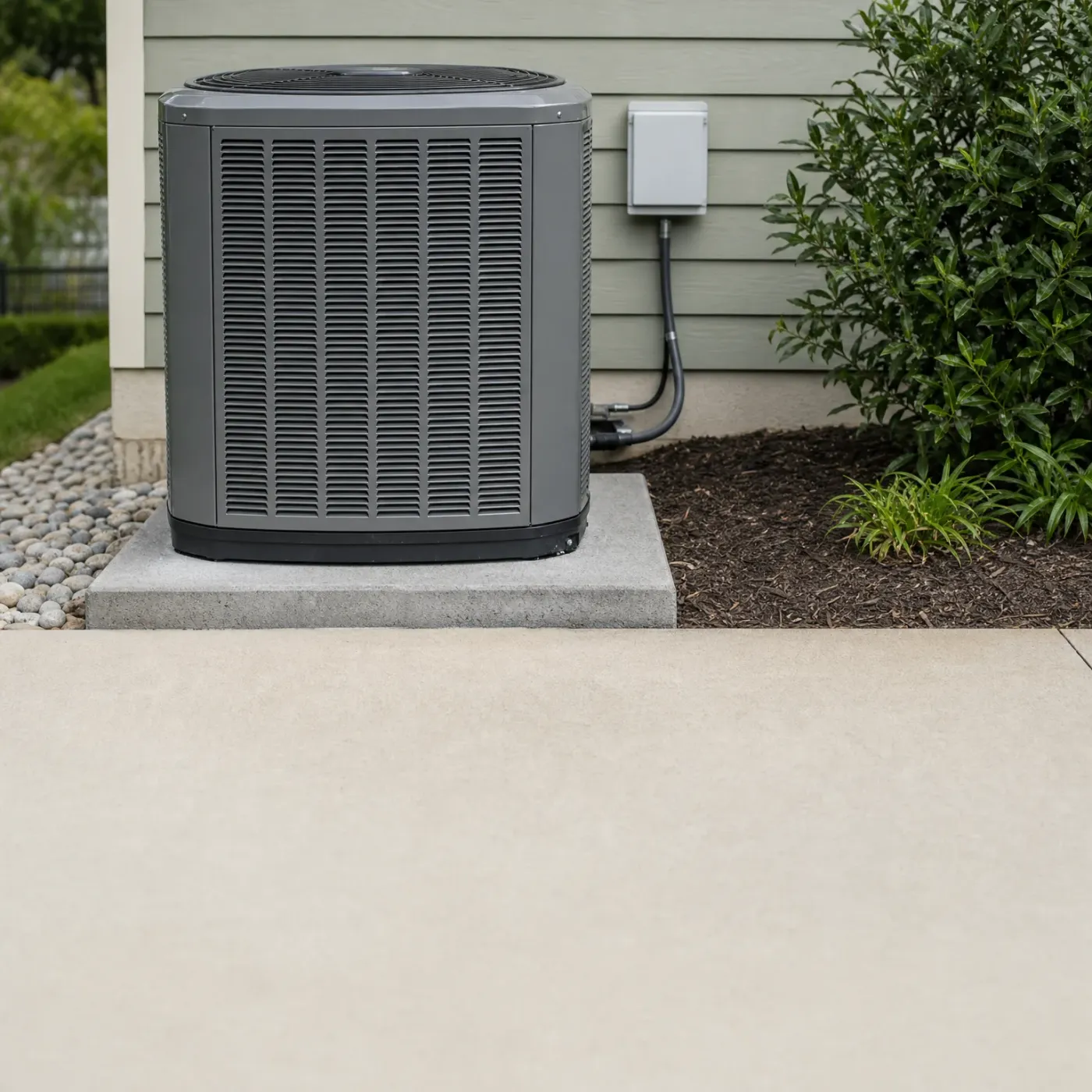
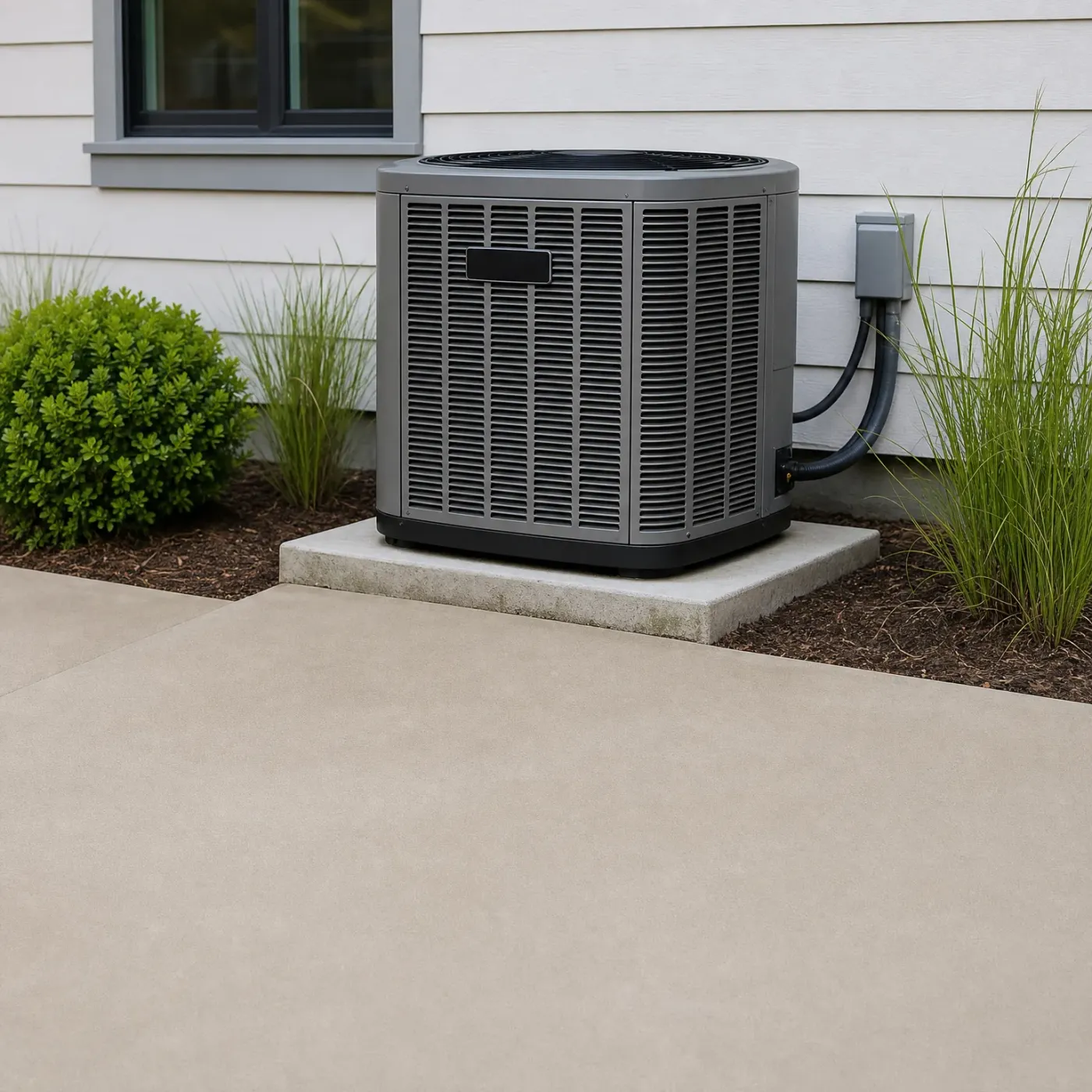
A gray outdoor condenser unit on a concrete pad beside a light-colored horizontal-siding house, with a disconnect box and refrigerant line on the wall, ornamental grasses and a shrub in mulch nearby, and a concrete patio in the foreground.

Running the way it should

This is what a healthy setup looks like outside: a clean pad, lines running straight to the disconnect, nothing crowding the unit. Air moves through it freely, which is most of what a cold-climate heat pump needs to keep pulling heat out of a Minnesota winter.
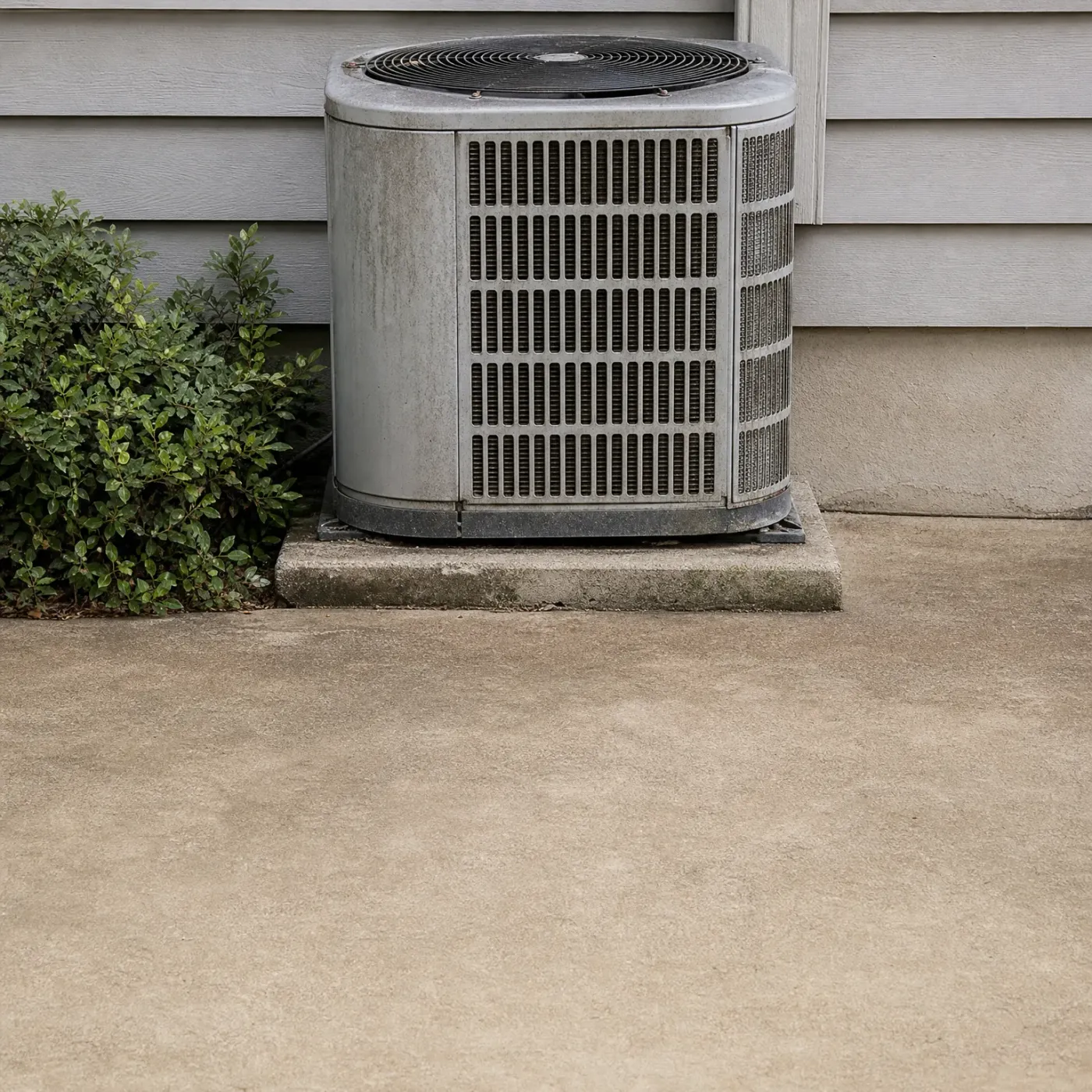

An outdoor air conditioning condenser unit on a concrete pad beside a house with horizontal lap siding, with a green shrub to the left and a wide concrete slab in the foreground.

Running into trouble

Same unit, different story. Pushed up against the siding with no clearance, it has to work harder to pull air through the coil. In January that extra strain is what turns into a system that can't keep up, or one that's quietly costing you more than it should.

An older man with gray hair and a beard, wearing a dark coat dusted with snow, stands smiling in a doorway of a warmly lit home with a sofa, lamp and window visible behind him.
An older man with grey hair and a beard, wearing a dark coat dusted with snow, stands in a dimly lit entryway with a ceiling lamp, a side table with two shaded lamps, and a lit fireplace visible in a room beyond.
A bearded older man in a dark snow-dusted coat and scarf stands just inside a home's front door, with a lamp-lit room and snowy window visible behind him.
An older man with gray hair and a beard stands in a doorway of a home, wearing a dark coat dusted with snow, with a lit fireplace and lamp visible in the blurred room behind him.

Below zero, the furnace takes over

Once outdoor temps drop into negative numbers, most cold-climate heat pumps hand the load to the gas furnace. That's expected, not a sign anything is wrong with the install.

Get one local pro

Above zero, the heat pump should carry it

From the teens up through fall and spring, the heat pump should be doing the work on its own. If the furnace keeps kicking in above zero, that's worth having looked at.

Get one local pro
A woman wrapped in a cream textured blanket sits in an armchair beside a lit lamp and a dark window, with an open book in the foreground.
A woman in a cream knit sweater sits in an armchair with her eyes closed and head tilted back, beside a window showing orange autumn foliage and a wooden side table with a mug.

A local pro for your heat pump installation

A cold-climate heat pump paired with your gas furnace is a reasonable setup for Minnesota, but whether it's working the way it should depends on things you can't always tell from inside the house. How the outdoor unit was sized, where the lines were run, how the switchover to furnace backup is set to trigger, all of that gets decided at install, and a mistake in any of it shows up later as a cold vent or a gas bill that never comes down. If you're not sure your system was set up right, or you want someone to look at how it's handling this winter specifically, a local contractor who installs and services these year-round can tell you fast whether what you're seeing is normal or worth fixing. You'd be talking to one contractor who knows this equipment in this climate, not fielding calls from several.

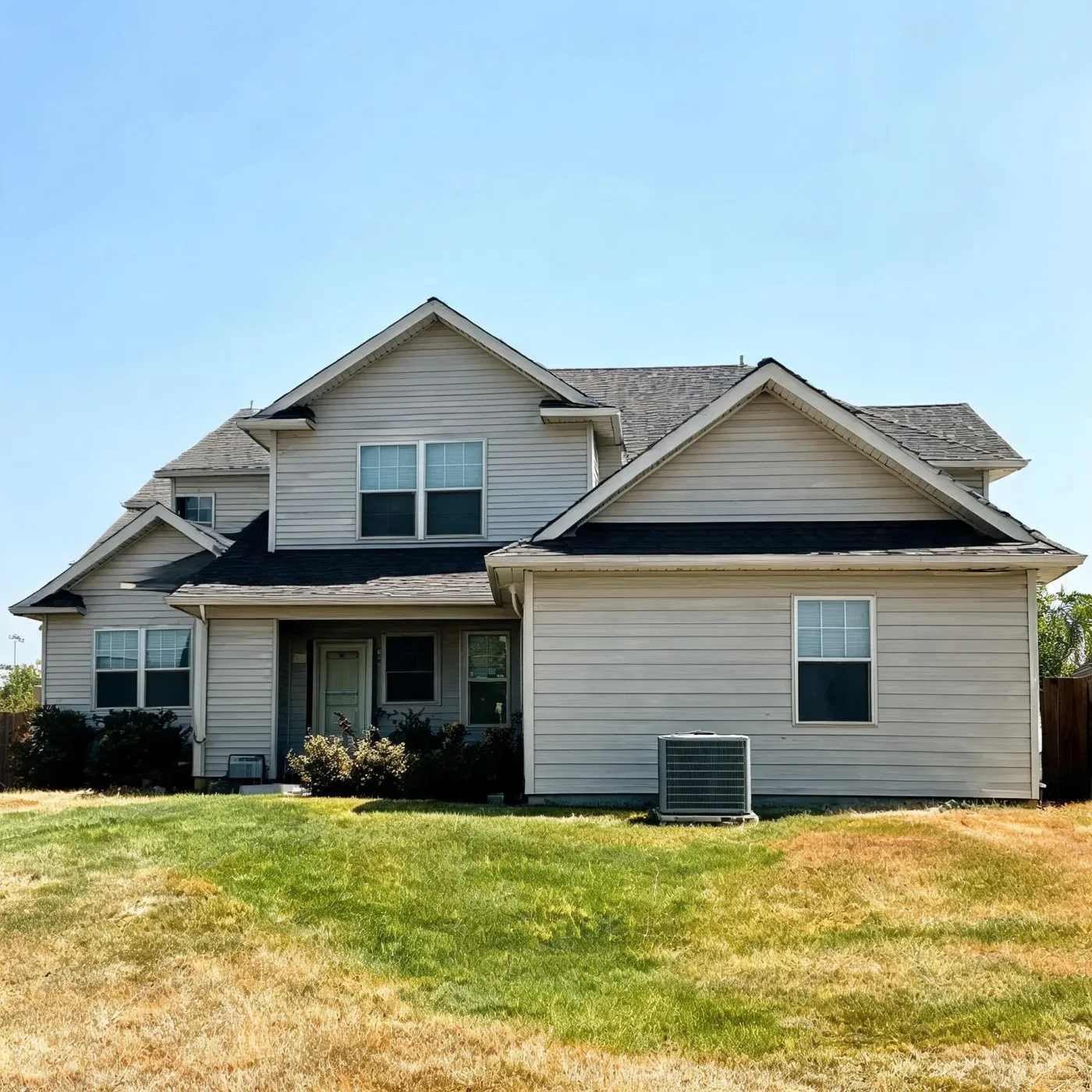
Two-story house with beige horizontal siding, gray shingled gable roofs and a covered front entry, with an outdoor air conditioning unit beside it and a partly dry grass lawn in front under a clear blue sky.

Summer here isn't the part of the year your heat pump struggles with. The air just doesn't carry much moisture: average dew point across June, July and August is 59°F, based on NOAA climate data for Minnesota. That's dry enough that your heat pump isn't fighting humidity the way units in the South do. It pulls the heat out of the air, the house cools down, and it can ease off instead of running flat out to wring moisture out of the air. The strain on this system shows up in winter, not now. Summer's the easy season for it.

NASA POWER T2MDEW county cells weighted by homes

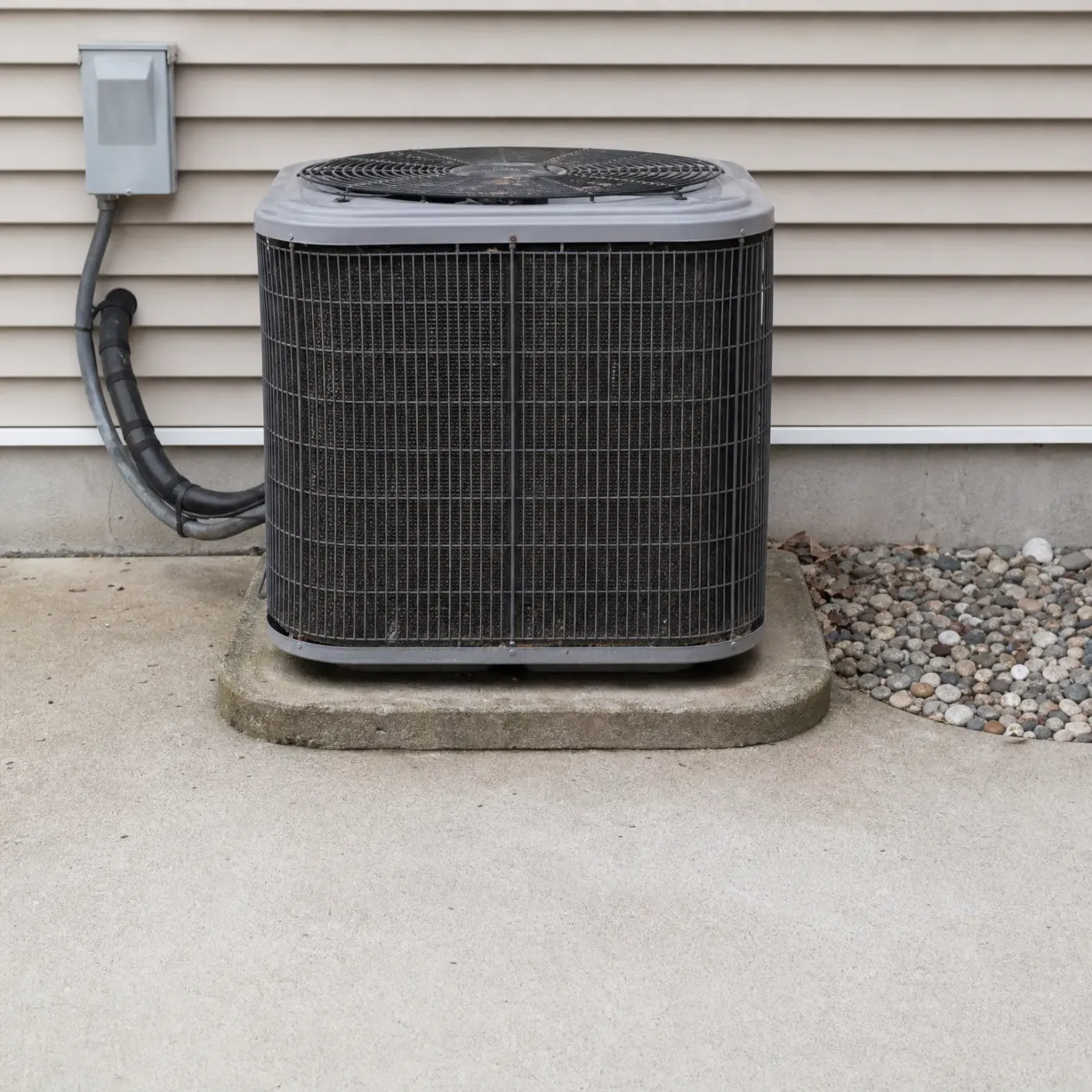
An outdoor air conditioner condenser unit on a concrete pad beside a house with beige vinyl siding, with a gray electrical disconnect box and insulated refrigerant lines on the wall and river rock to the right.
Before you get your heat pump installation
A gray outdoor condenser unit on a concrete pad beside a light green lap-sided house, with a wall-mounted electrical disconnect box, mulch bed with shrubs, river rock, and a paved walkway in the foreground.
After you get your heat pump installation

Running it the way it's set up

If your system is balanced right, the heat pump does most of the work from fall through the mild stretch of winter, and the furnace only picks up when it gets seriously cold. Your gas bill drops because the furnace isn't running those months at all. Your electric bill goes up some, since the heat pump is pulling that load instead. For most homes here that trade works out fine, because Minnesota power is priced about where you'd expect, nothing unusual either direction. You're not paying for backup you don't use, and you're not asking the heat pump to do a job it can't do once it's well below freezing.

Running it against how it's built

If the heat pump was undersized for the house, or the furnace kicks in too early, too often, you end up paying for both systems without getting the savings either one offers on its own. The furnace runs more than it should in weather the heat pump could still handle, so your gas use doesn't drop the way it's supposed to. Or the opposite happens, the furnace waits too long to take over, and the heat pump strains to keep the house warm on nights it was never built to cover alone. Either way, the setup is working against itself instead of handing off cleanly between the two.

Power costs 15.83 cents per kilowatt-hour statewide

Power runs 15.83 cents per kilowatt-hour across Minnesota, right around the national average. That matters because a heat pump leans on electricity for every degree it makes, so the savings come from running efficiently, not from cheap power bailing out a system that's working harder than it should.

EIA-861 2025 statewide residential average

A cold-climate heat pump paired with a gas furnace is worth it in Minnesota, as long as the install and the handoff between the two systems were done right. That's really the whole question. The equipment itself isn't in doubt. What decides whether you got your money's worth is sizing, line placement, and how the controls split the load between zero and twenty below. If something's off, it usually traces back to the install, not the machine. A local contractor who works on cold-climate systems all winter has seen what tends to go wrong in houses like yours, and matching with one means a single contractor reaching out who already knows the usual failure points, not a handful of companies competing for the job. At this point you know what healthy looks like, what the furnace handoff should feel like, and what's worth a second look. Whether it's working that way in your house is the only thing left to check.

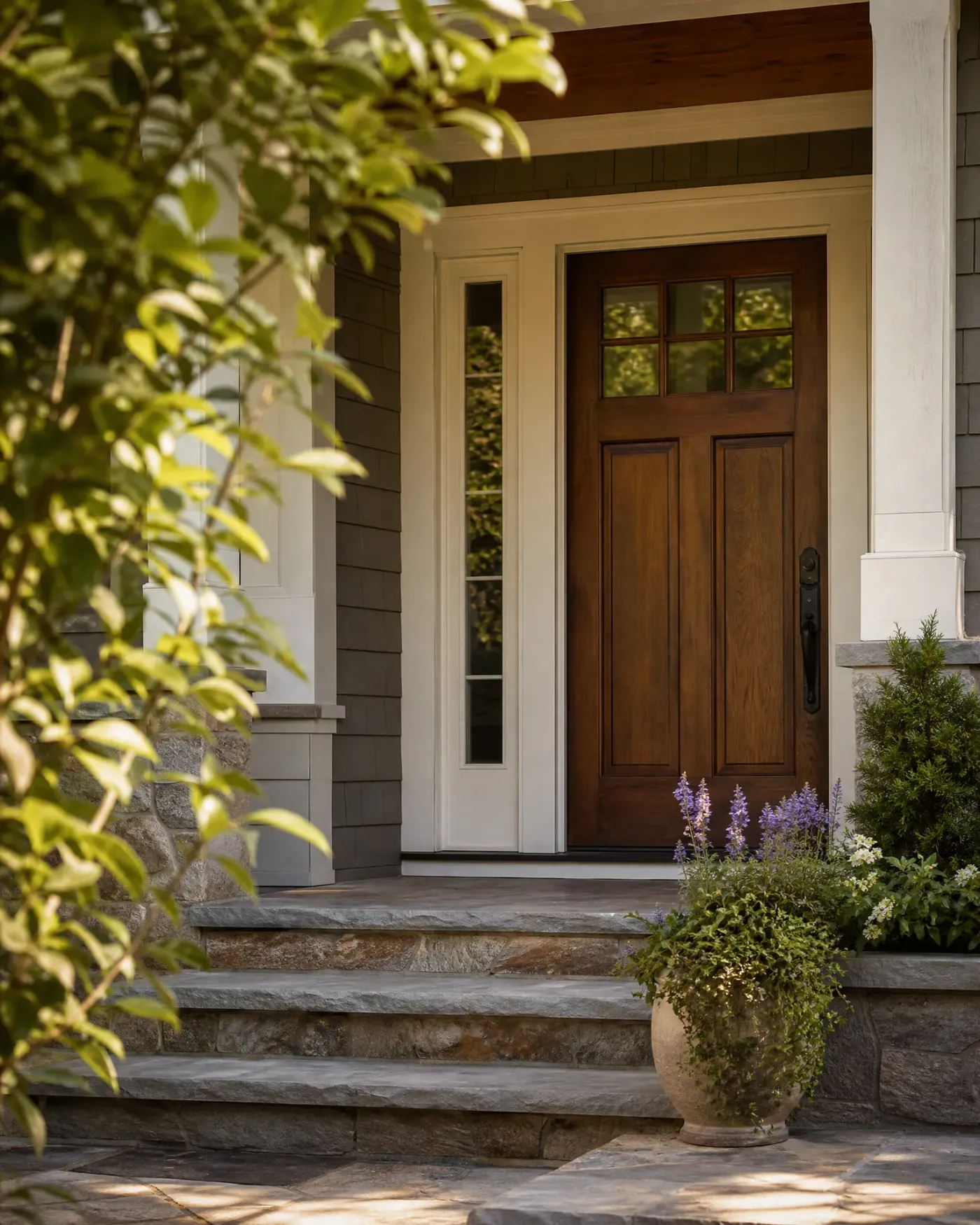
A wooden front door with six small glass panes and a narrow sidelight, set in a shingled house entry with white trim, reached by stone steps flanked by a planted urn with purple flowers and leafy branches in the foreground.
Exterior corner of a house with beige horizontal lap siding and a black-framed window, with white hydrangeas, ornamental grasses and low plantings along a flagstone patio.
Corner of a house with tan lap siding and a window, a brick step edge, flowering white hydrangeas and green shrubs beside a flagstone walkway leading to a white picket fence and a tree in backlit sunlight.
House exterior with cream horizontal lap siding, a dark-framed window, a black wall lantern beside a wood door, potted shrubs on stone steps, and white and pink hydrangeas in the foreground garden.
Corner of a cream lap-sided house with a white-framed window and dark shingled roof, beside a white-flowering hydrangea shrub, a clipped hedge, mulched bed and lawn.

Get the right pro for your heat pump

The pro who reaches out is licensed in Minnesota.

Get a local pro

No charge to send it. You decide if you hire them.