Heat Pump North Star
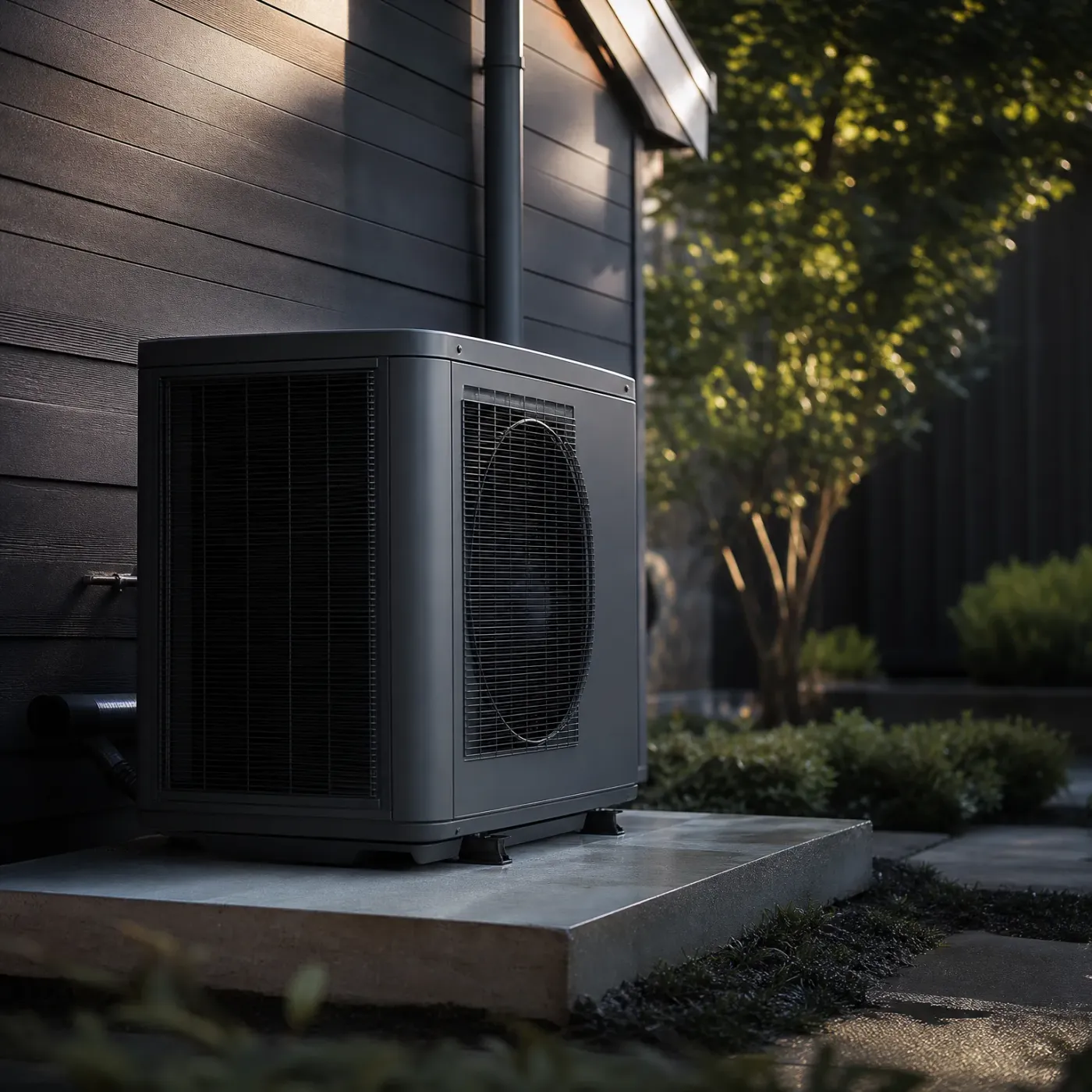
A gray outdoor condenser/heat pump unit with a side fan grille sits on a concrete pad beside a dark horizontal wood-sided house, with shrubs and a small tree nearby.

One request and it's handed off

Is a heat pump cheaper to run than gas heat in Minnesota

Cold climate heat pumps keep working in a Minnesota winter, but the real question is what they do to your bill next to gas. That depends on your power rate, your gas rate, and how your system is set up below freezing. Below, what decides the answer, and a local contractor to size up your home if you want it settled.

Hand it off

Below freezing, gas usually costs less to run than a heat pump, and in Minnesota that matters because so many nights get there from November through March. A heat pump moves heat instead of burning fuel, so it works efficiently down to a point, but the colder the air outside, the harder it has to work to pull heat from it. Somewhere in the teens or lower, most heat pumps lean on backup electric heat to keep up, and that backup is what drives the bill up next to gas. Above freezing, the math usually flips. Fall and spring, and plenty of winter days too, a heat pump costs less to run than a furnace burning gas at typical rates. So the honest answer is that it depends on the month. A heat pump paired with your gas furnace, switching between the two depending on the temperature, is how a lot of homes here end up ahead over a full year instead of behind.

A man in a gray sweater reclines in a brown leather armchair with his eyes closed, beside a wooden side table holding a mug, a folded newspaper and a potted plant, with a bookshelf and sunlit window behind him.
A man with greying hair and a dark sweater leans back on an armchair with his eyes closed and a slight smile, in a living room with a bookshelf, plant, folded newspaper and mug on a wooden table.
A man in a gray fleece jacket sits reclined in a leather chair with his eyes closed, in a room with bookshelves, a table lamp, a window, and a desk holding a folded newspaper and a dark mug.
A bearded man in a gray fleece pullover sits with eyes closed in a brown leather armchair in a living room, with a floor lamp, bookshelf, potted plants, a side table holding newspapers and a dark mug, and a bright window behind him.

A heat pump works like a refrigerator running backward, pulling warmth out of the outside air and moving it into your house with a compressor. There's plenty of heat to grab when it's 40 degrees out. There's less of it at 20, so the compressor runs longer to put out the same warmth, and it uses more power doing it. That's why most cold climate heat pumps installed in Minnesota get paired with a gas furnace. The two don't run together guessing at the weather. Your installer sets a balance point, often somewhere between 25 and 35 degrees, and the system switches to gas on its own once the outdoor temperature drops below it. Above that point, the heat pump handles things by itself. Below it, the furnace takes over and the heat pump sits idle until the air warms back up. Where exactly that line gets set depends on your home and the equipment, which is why it's worth having someone who installs these locally walk through it with you rather than guess at a number that fits every house the same way.

How a dual fuel system decides

  • A heat pump moves heat from the outside air into your house by compressing refrigerant, the same way a refrigerator moves heat out of the fridge box.
  • As the outdoor temperature drops, there's less heat in the air to collect, so the compressor has to run longer to deliver the same warmth.
  • Most cold climate heat pumps in Minnesota pair with a gas furnace or electric strip heat as backup for the coldest stretches.
  • A dual fuel setup switches to the gas furnace automatically once outdoor temperature falls below a balance point your installer sets.
  • That balance point is usually somewhere in the 25 to 35 degree range, not a fixed number for every home.
  • Below the balance point, the furnace does the heating and the heat pump sits idle until temperatures climb back above it.
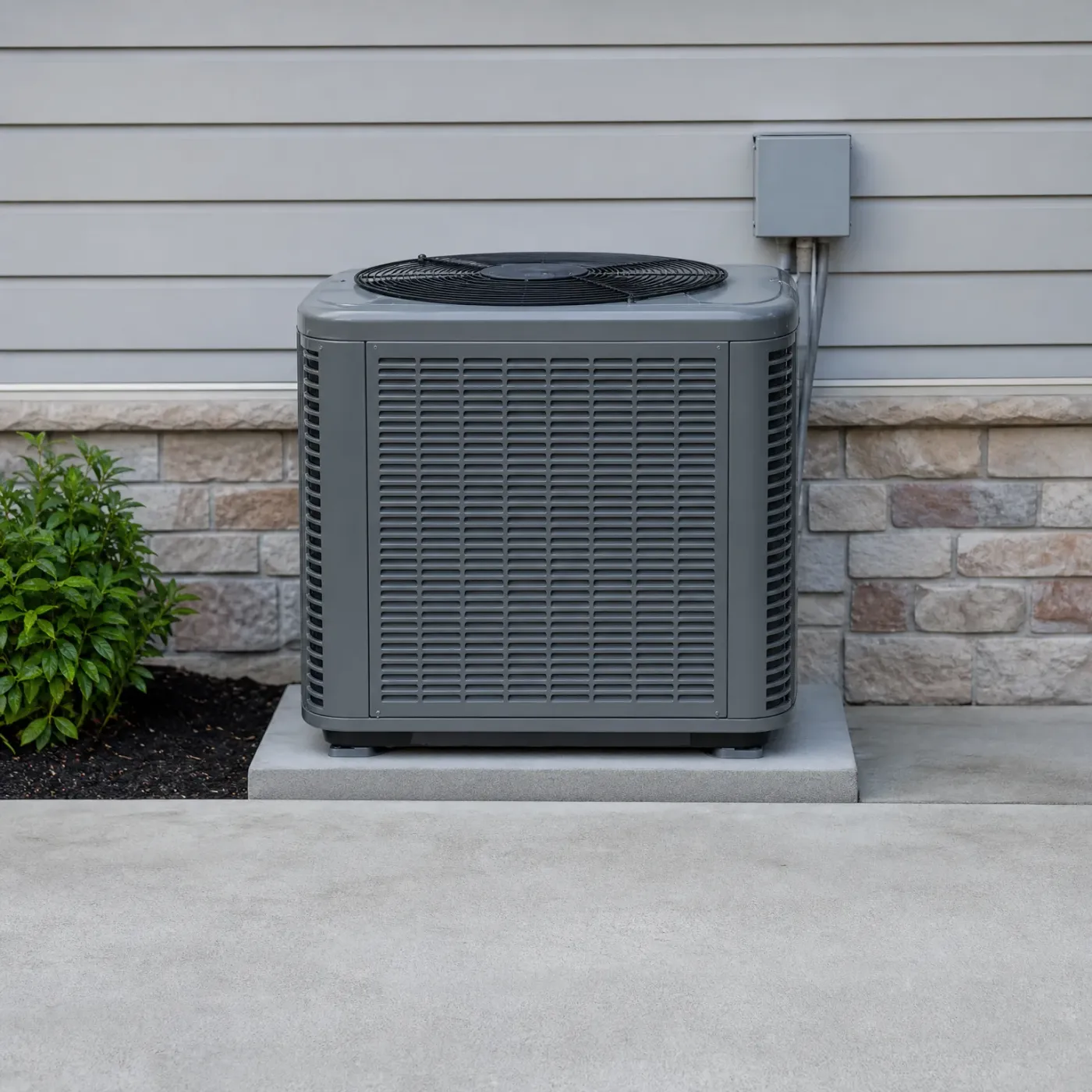
A gray outdoor condenser unit sits on a concrete pad against a house wall with horizontal siding above a stone veneer base, with an electrical disconnect box and conduit on the wall and a leafy shrub in mulch to the left.
Above freezing, the heat pump carries the house on its own and costs less than gas most hours it runs.
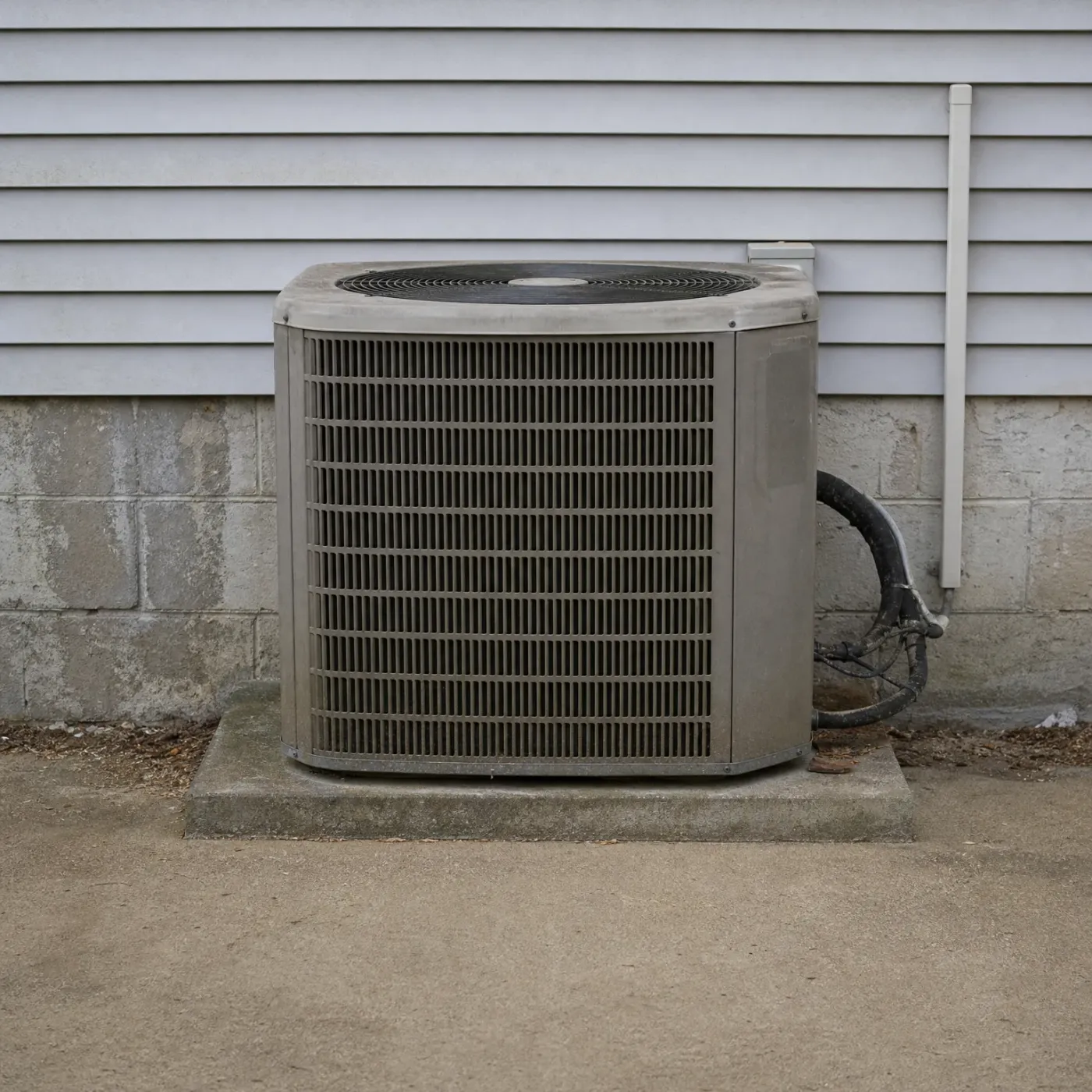
An outdoor air conditioner condenser unit on a concrete pad beside a house with horizontal siding above a concrete block foundation, with insulated refrigerant lines and a vertical white pipe on the wall.
Below freezing for days at a stretch, an aging or undersized heat pump leans on backup heat and the bill climbs past gas.
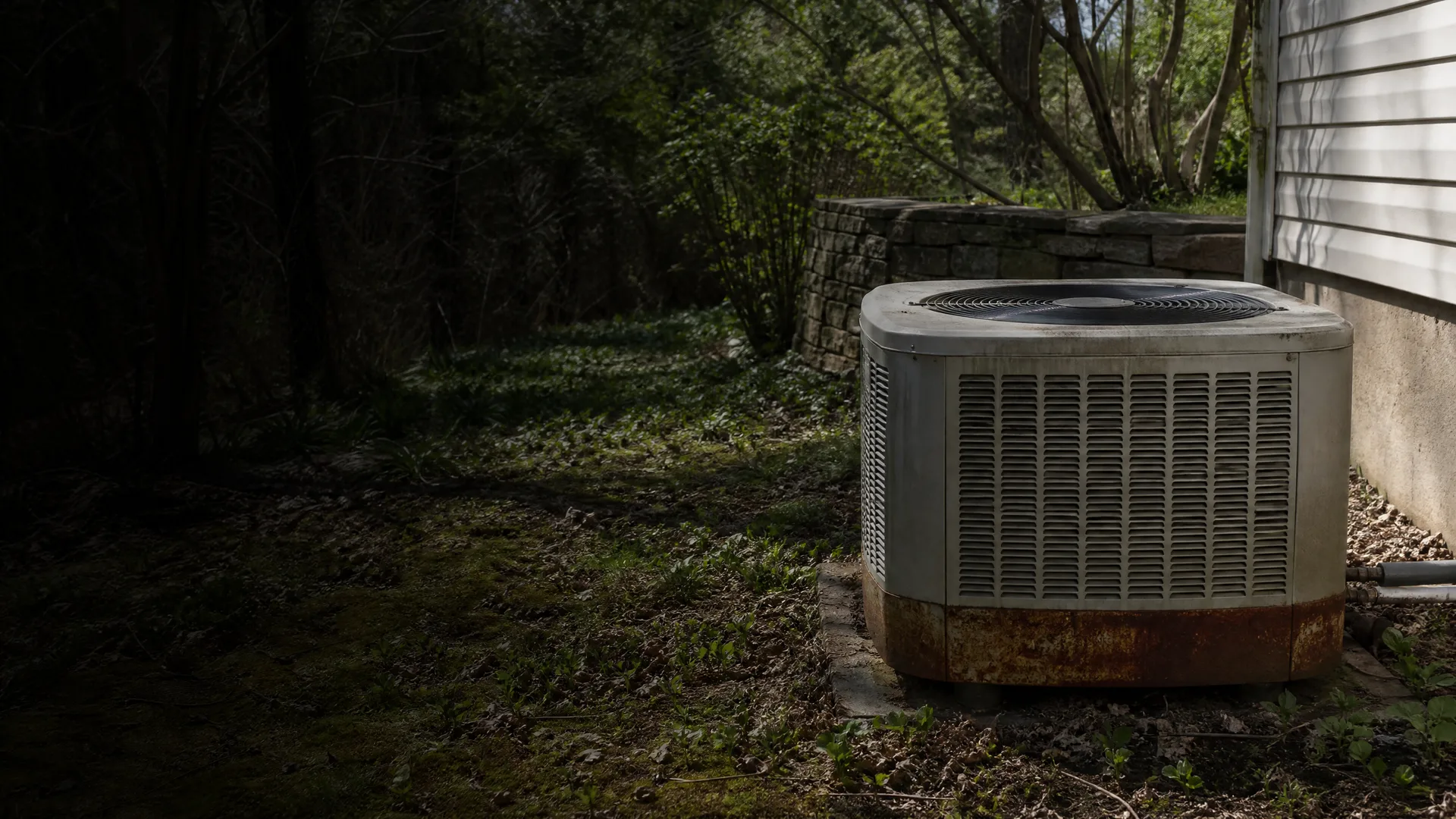
A weathered outdoor condenser unit with rust along its base sits on a pad beside a house with vinyl siding, next to a low stone wall and shaded vegetation.

You walk out to the side yard in March to check on the unit before the warm stretch hits. The snow around the pad has pulled back enough to see the base, and that's when you notice it, a line of rust creeping up along the bottom edge where the housing meets the concrete. The fan sits quiet. Nothing's wrong today, the air's mild enough that the heat pump can carry the house on its own, but you crouch down and run a thumb along the metal anyway. You've had this unit through a few winters now, enough to know what a hard February does to it. You straighten up, pull out your phone, and send the request in. Whatever happens next isn't something you have to chase down yourself.

Done looking for a heat pump pro

What you've got right now is a heat pump that's either carrying the full load or handing off to backup heat somewhere around freezing, and most people in Minnesota never find out which until a January bill comes in higher than they expected. That changeover point is set by how the system was installed and sized, not just by what's printed on the unit, and it's the kind of thing that's hard to check yourself without pulling apart settings you don't normally touch. A heat pump installer working winters in this state has seen where these setups tend to go wrong, whether that's a changeover point left too low or backup heat kicking in more than it should, and knows what to look for on a system like yours. Sending the request means that work moves to someone who already knows Minnesota winters, instead of sitting on your list between everything else the season asks of you.

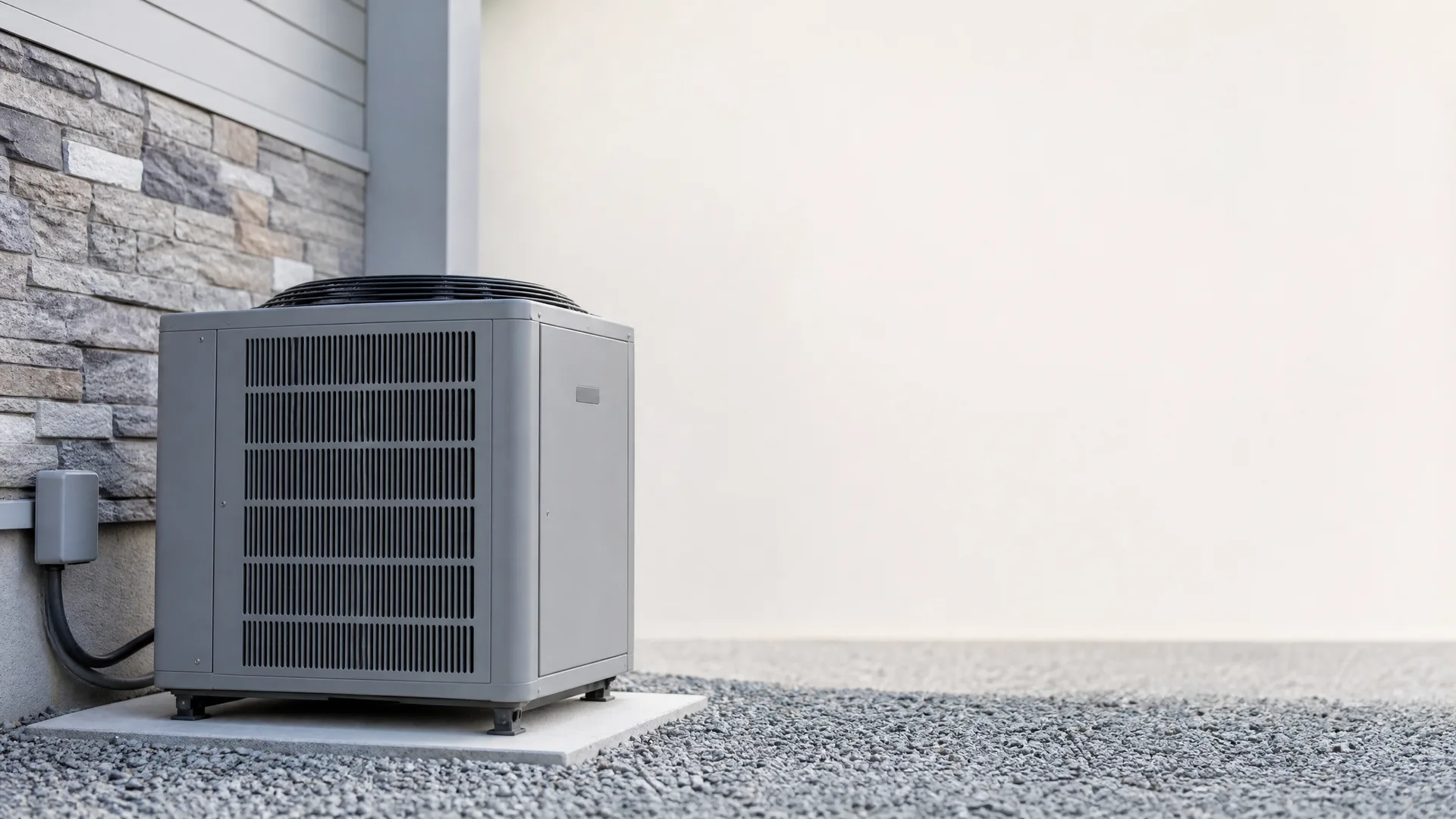
A gray outdoor condenser unit on a concrete pad beside a house with stacked stone and horizontal siding, surrounded by gray gravel and a plain light wall.

What the balance point means

Every heat pump has a balance point, the outdoor temperature where it can no longer keep up with the heat loss and backup kicks in. On an older or undersized unit that point can sit as high as the mid-20s. A newer cold climate model pushes it down near zero or below. Two houses on the same block, same gas rate, same power rate, can land on opposite sides of that line depending on which unit is outside and how it was sized for the house.

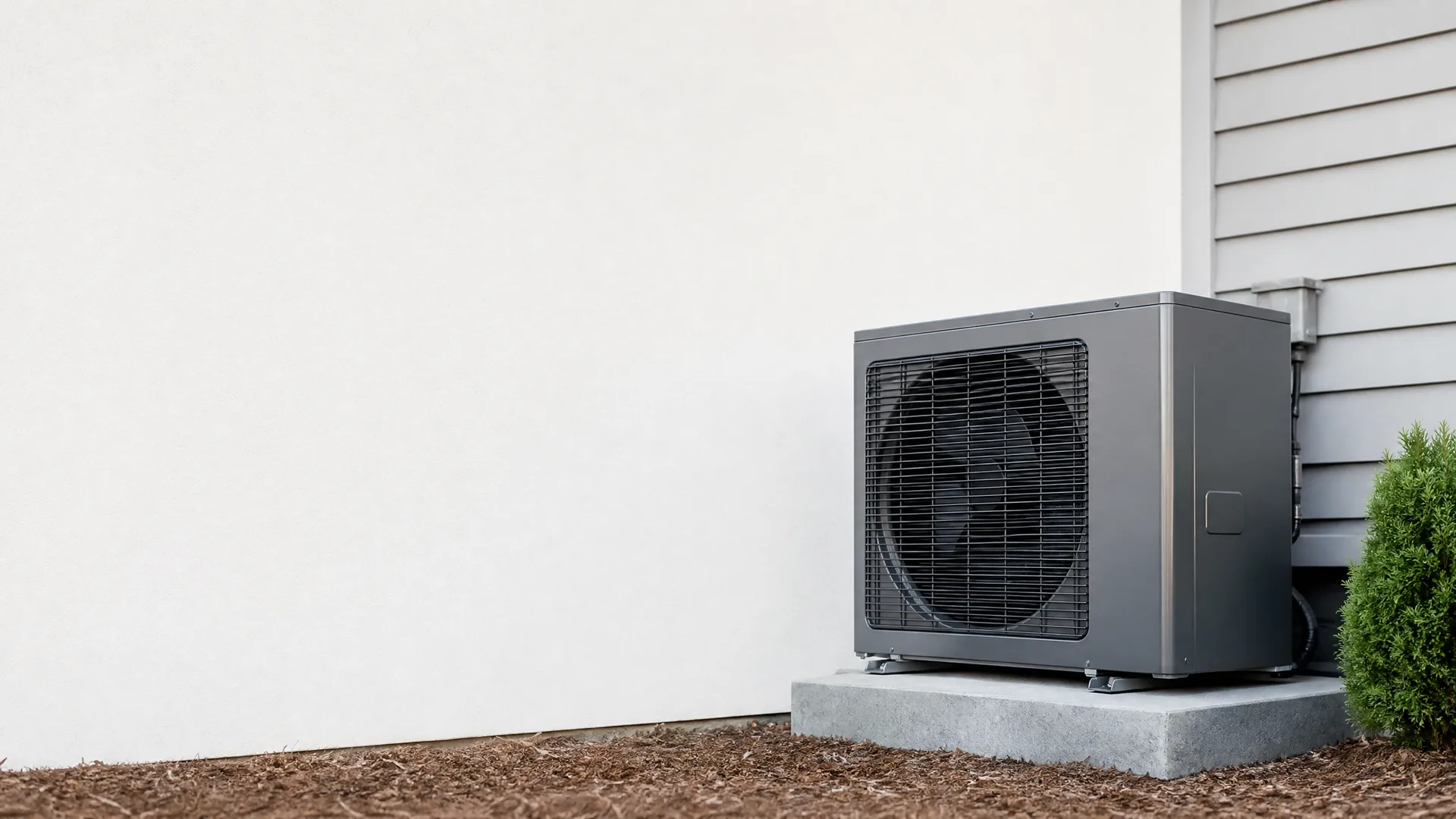
A dark gray outdoor heat pump unit sits on a concrete pad beside a white stucco wall and lap-sided house corner, with mulch and a small shrub in the foreground.

Why defrost cycles add up

When outdoor coils frost over in damp cold, the system reverses itself for a few minutes to melt the ice, pulling heat from inside the house to do it. That's normal and every heat pump does it. On a night that sits in the teens or single digits for hours, those cycles run more often, and the backup heat that follows each one is usually electric resistance, the least efficient way the system has to make heat. That's part of what tilts the bill past gas once the cold holds.

Power costs 15.83 cents per kilowatt-hour statewide

At 15.83 cents per kilowatt-hour, what a heat pump costs you above freezing comes down to how efficiently it's moving heat, not burning it. That rate also sets how much backup heat stings once your system drops below its balance point and starts drawing on resistance coils to keep up.

EIA-861 2025 statewide residential average

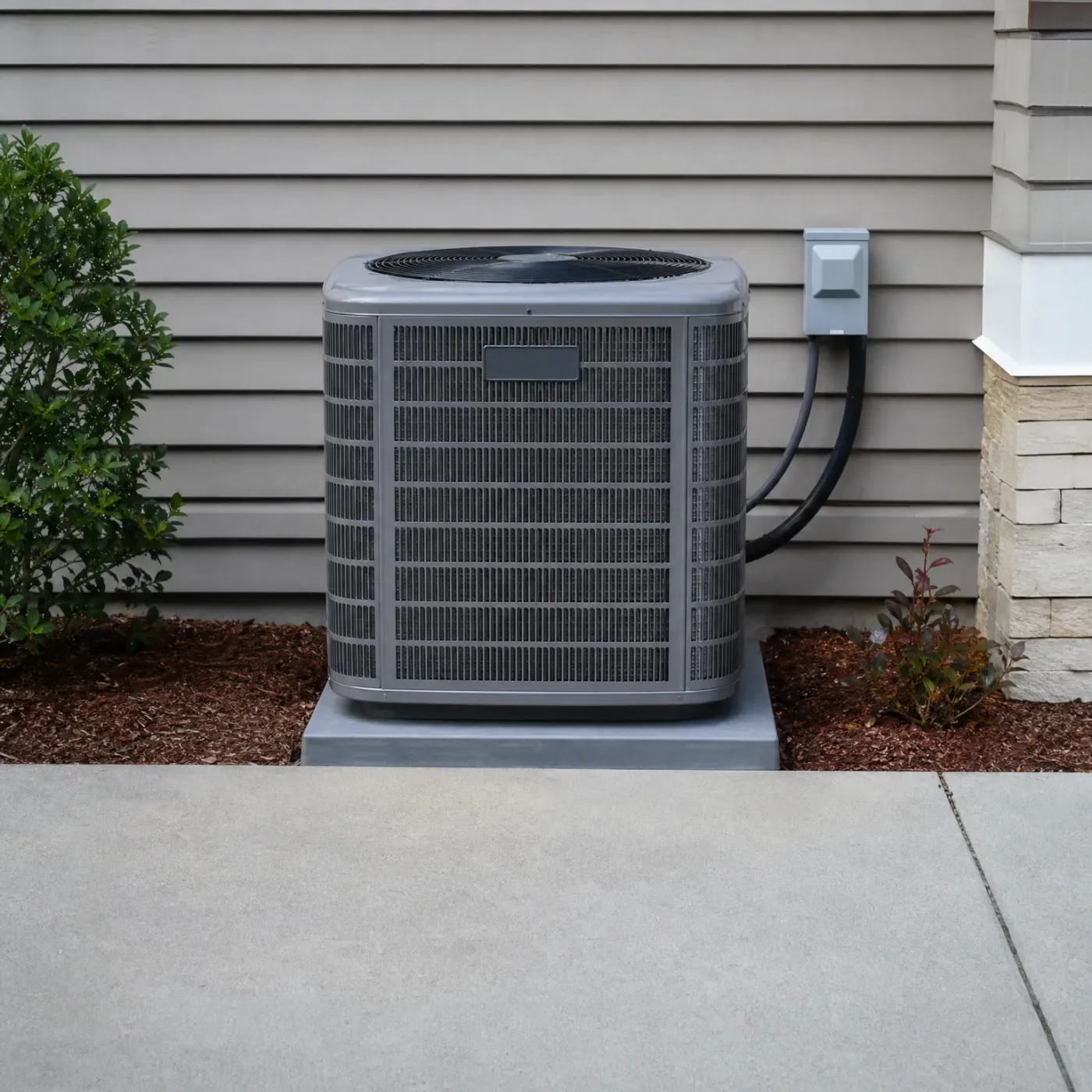
A gray outdoor condenser unit sits on a concrete pad beside a house with horizontal lap siding, with a wall-mounted disconnect box and refrigerant lines, mulched beds and a shrub nearby, and a concrete walkway in the foreground.

Running clean, working as it should

This is a heat pump carrying the load the way it's meant to. The pad is clear, the conduit is tight, and the unit cycles on its own without leaning on backup heat before it has to. That's what keeps a winter bill close to gas instead of past it.

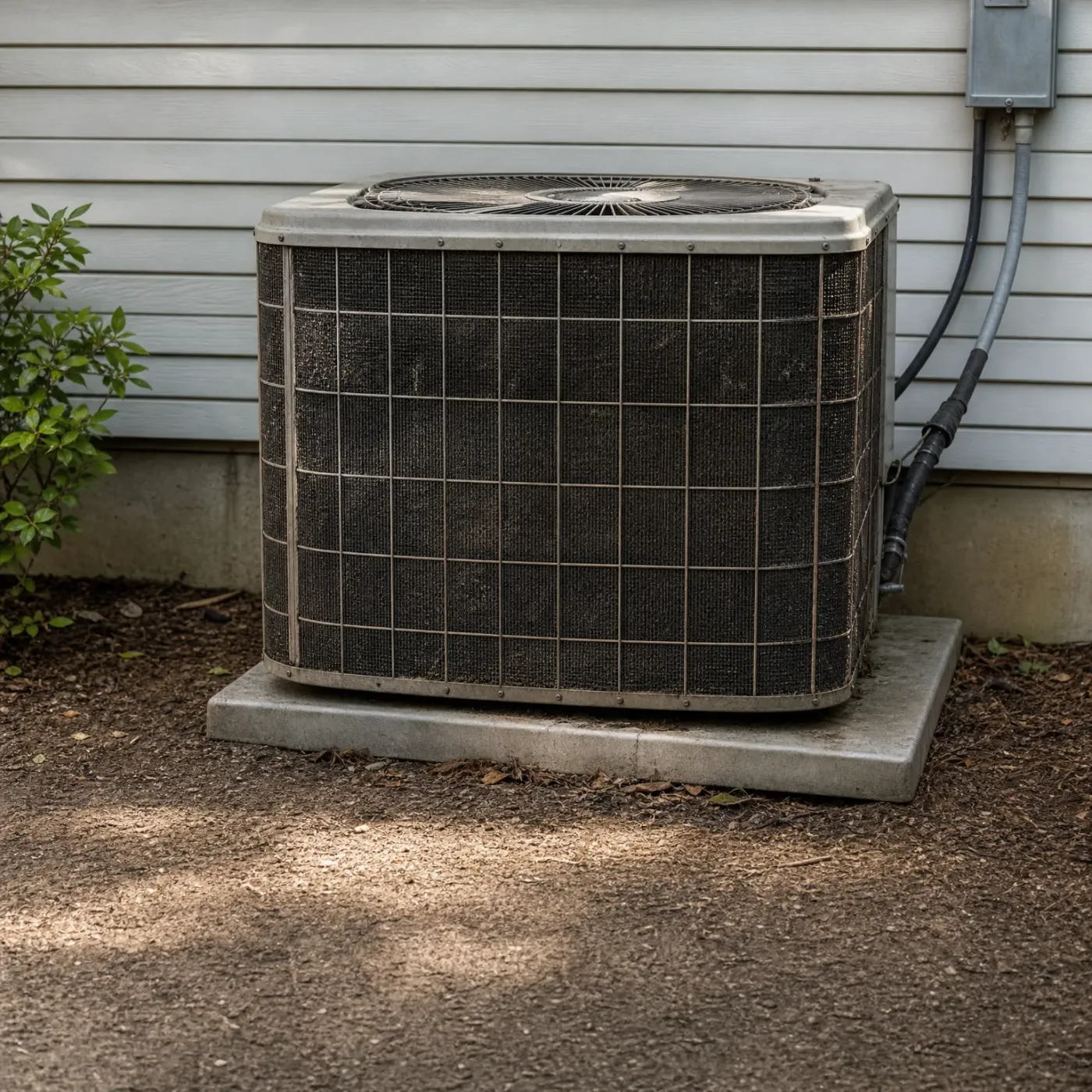
An outdoor air conditioning condenser unit with dusty coils sits on a concrete pad against light horizontal siding, with an electrical disconnect box and refrigerant lines on the wall and a shrub and mulch at left.

Worn down, costing more to keep up

Years of grime on the cabinet and bare soil where mulch used to be are signs of a unit that's been running harder than it should. A heat pump in this shape often hits its balance point earlier in the cold, switching to backup heat sooner and taking the bill with it.

A gray-haired man with a beard in a blue button-placket shirt reclines on a couch with his eyes closed, beside a sunlit window with a green plant.
A woman in a cream knit sweater sits in an armchair with her eyes closed near a window showing yellow autumn foliage, with a mug on a round wooden side table beside her.

Where Your System Stands

  • Above freezing, your heat pump is doing the job for less than gas, hour for hour.
  • Below freezing for days at a stretch, backup heat takes over and the bill can pass gas.
  • Where your balance point actually sits depends on the age and size of the unit on your pad.
  • A local contractor who services these units all winter knows which models hold their balance point and which ones lean on backup too soon.
  • Sending one request means one licensed local contractor looking at your system, not a string of calls from companies that have never seen it.
  • The rust line, the pad, the conduit, all of it tells a contractor more in five minutes than a bill ever will.

Gas costs less than a heat pump once the temperature drops below freezing, and in Minnesota that's a real stretch of the winter, not an exception. Above freezing, the heat pump wins. The line between those two outcomes is the balance point, and it isn't the same number for every unit. An older or undersized heat pump can start leaning on backup heat in the mid-20s, while a newer cold climate model holds out much lower. You can't read that number off a nameplate or guess it from the bill. Someone has to look at the unit itself, the age of it, the size of it against your house, the condition of the pad and the conduit, before they can tell you where your system actually sits.

That's the kind of thing a local contractor sees in five minutes standing next to the unit, because they're the one who services these systems every winter and knows which models hold up and which ones hand off to backup too soon. Sending a request through this page puts your situation in front of one licensed contractor local to you, not a handful of companies bidding for the job sight unseen. One person looks at your pad, your conduit, your unit, and tells you where your balance point sits and what that means for your bill. That's the answer this page can't give you from the outside. It's the one a contractor gives you standing in your side yard.

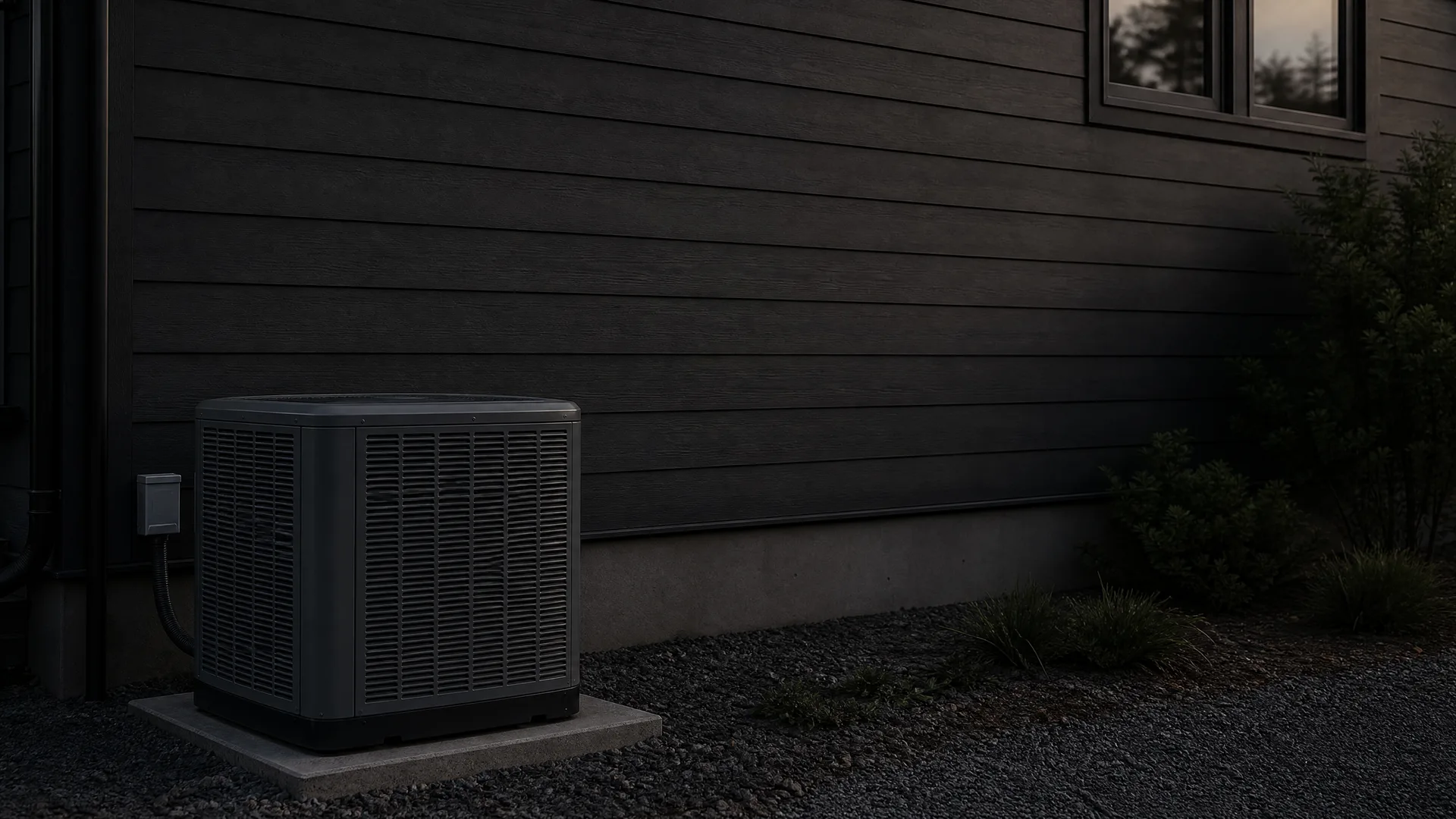
An outdoor condenser unit on a concrete pad beside a dark horizontal-lap-sided house, with gravel, shrubs and a small electrical disconnect box on the wall, in dim light.

It's off your list after this

Your request stays with one local pro.

Step 1 of 3: Equipment