Below freezing, the gas furnace takes over
A heat pump loses capacity as outdoor air gets colder. Most setups here pair it with a gas furnace so the switch happens before the heat pump is straining to keep up.
Finding a pro stops being your job
Most Minnesota homes heat with gas, so a heat pump here is usually doing cooling duty most of the year and backup duty in the cold months. Whether that's worth it against a typical electric bill depends on how the two systems split the work. This page gets into that math. Skip the search engine and the round of calls to find out who installs these locally and what they'd charge.
Let a pro reach outA heat pump is worth it in Minnesota, but not as your only source of heat. It covers cooling all summer, and summers here are warm without the heavy humidity, so it isn't working hard to wring moisture out of the air the way one would further south. Where it struggles is deep cold. Below a certain outdoor temperature, usually somewhere in the 30s or lower depending on the unit, a heat pump pulls less heat out of the outside air than your house loses, and it either runs constantly or hands off to backup heat. In most Minnesota homes that backup is the gas furnace already installed, so the heat pump takes over the mild months on both ends of the year, spring and fall and early winter, and steps aside once it gets genuinely cold. That split is what makes the math work. You're not asking one system to do a job it was never built for, you're asking each system to do the part it's good at.




A heat pump loses capacity as outdoor air gets colder. Most setups here pair it with a gas furnace so the switch happens before the heat pump is straining to keep up.
Getting the heat pump and furnace to hand off at the right temperature takes setup specific to your equipment, not a guess made after the fact.
If your thermostat is set up right, you'll notice the heat pump carrying the house on the mild days, the ones in the 40s and up, and the furnace kicking in once it turns sharply cold. That's the system working as designed. What's worth watching is whether the switch happens later than it should. If the heat pump is still trying to keep up at 15 degrees, running long stretches without catching up to the setpoint, it's pulling a lot of electricity for not much heat. You might also notice the outdoor unit icing over in that stretch before a frost-free cycle runs. Left alone through a full winter, that strain can wear on the heat pump and push your electric bill up without you getting warmer air for it.
Some homeowners push the heat pump down low before the furnace takes over, trying to get more use out of the electric side. The unit will keep producing heat, but less of it per hour as the outdoor temperature drops, and it draws more power to do it. Past a certain point you're paying more for less warmth, and the house struggles to hold temperature on a windy night. A contractor setting the switchover point can tell you where that line sits for your equipment.
Setting the switchover higher, so the furnace picks up sooner, means the heat pump stays in the range where it works efficiently and steps aside before it's straining. Gas carries the house through the hardest cold, which is what it's built for. You give up some of the electric savings on the milder days in exchange for a system that isn't fighting the weather. Most setups in Minnesota land somewhere in this range rather than pushing the heat pump to its limit.
At 15.83 cents a kilowatt-hour, running your heat pump through the summer for cooling costs about what any other AC would. It's the shoulder-season heating where that rate works in your favor, since the furnace is covering the deep cold on gas instead.
EIA-861 2025 statewide residential average
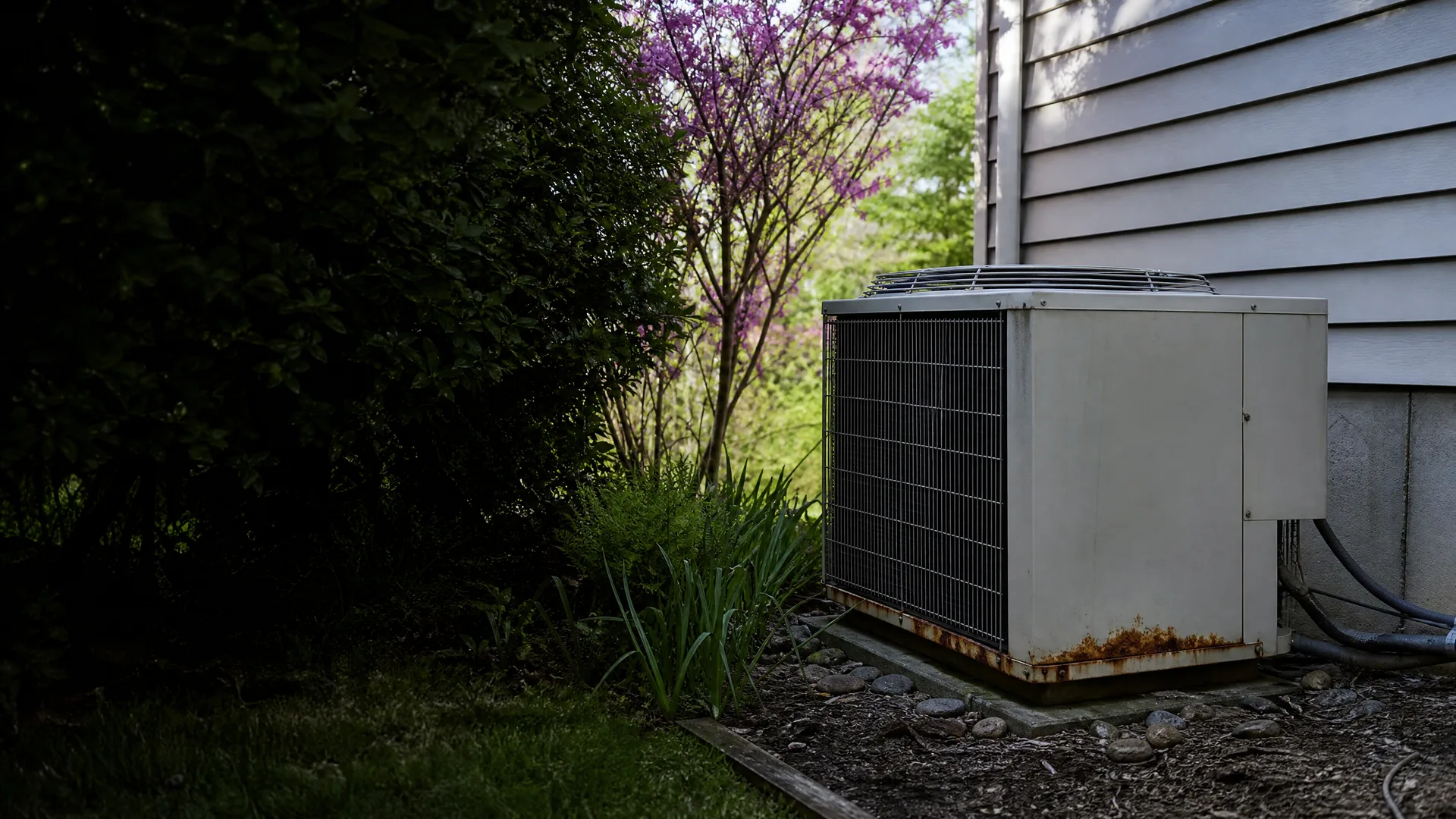
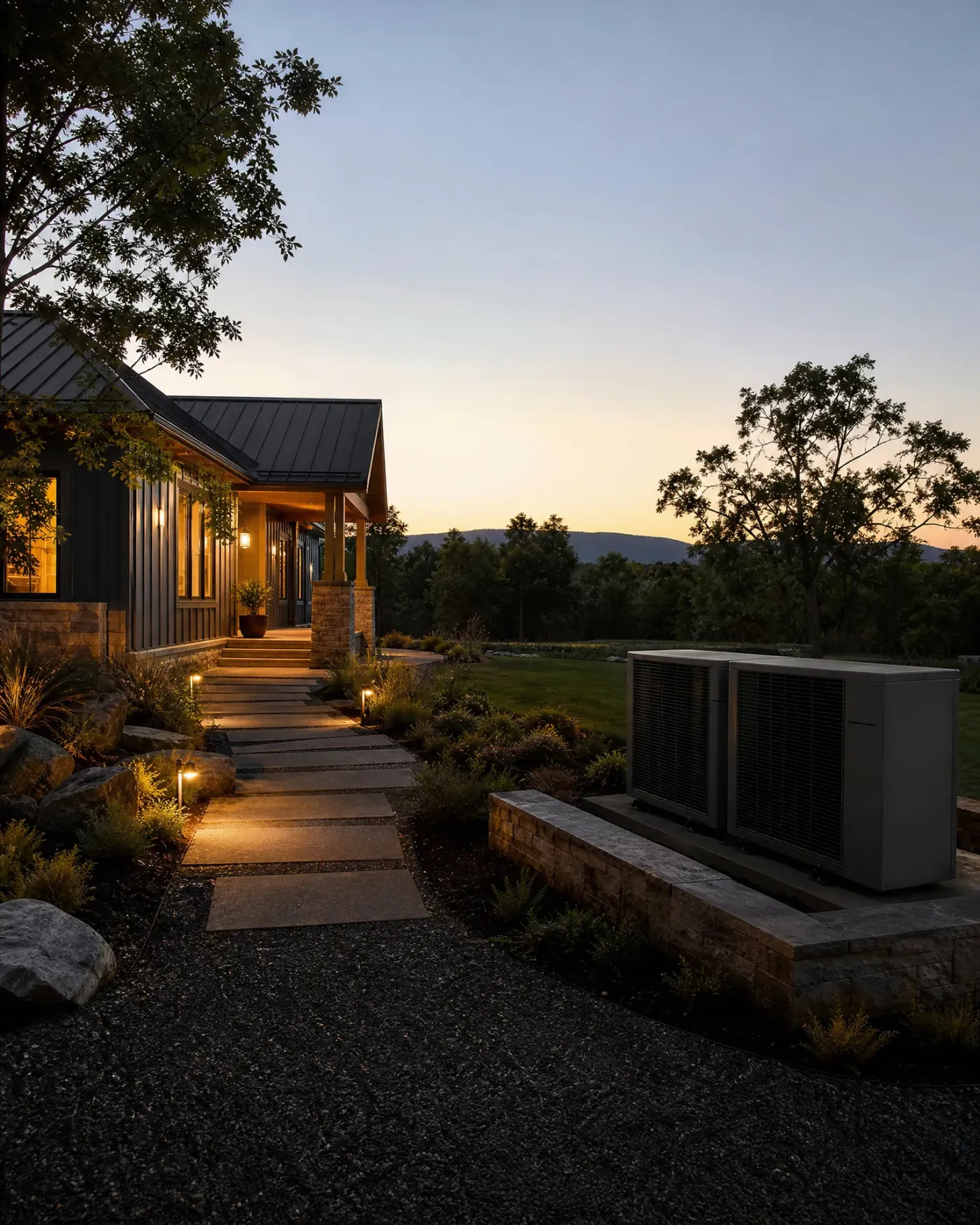
You're out in the side yard in April, coiling up the garden hose, when you notice the outdoor unit for the first time since fall. Rust has started along the base, a thin orange line where the metal meets the pad. It's not run hard all winter, just the stretches above freezing, but the rust doesn't care about that. You crouch down and look closer, wondering if it's just surface or if it's gotten into something that matters. You're not about to call around half a dozen places and explain rust on a heat pump to each one. You'd rather send it once and let the right person look at it.
The split between gas and electric only pays off if the setup is right for your house: the switchover point set where your furnace is efficient but your heat pump isn't straining, the thermostat programmed to use both the way they're meant to be used. Get an installer who does that wrong and you're either burning more gas than you should or running the heat pump into weather it can't handle. That's a judgment call that depends on your ductwork, your furnace, and how your house holds heat, not something you can check from a spec sheet. Finding someone who installs heat pumps alongside gas furnaces for a living, calling around, explaining your setup to three or four contractors so you can compare what they'd charge and how they'd size it, that's the part that eats a weekend. Send the request and that search is off your plate. One contractor who works in this kind of dual setup gets your information, and you go back to deciding if this is worth it once you know what it takes.
A heat pump is worth it in Minnesota. It isn't a question of whether the equipment works here, it's whether your gas furnace and electric heat pump are set up to hand the load off between them at the right point. Summer cooling is a given. The shoulder months, when it's cool but not yet bitter, are where a heat pump earns the rest of its keep, and that's also where a bad switchover setting quietly costs you. Set the changeover too low and the heat pump keeps running past where it's still efficient, drawing more power for less heat while the furnace sits idle. Set it too high and the furnace fires on days the heat pump could've handled on its own, burning gas you didn't need to burn. Either way the house still gets heated. You just paid more for it than the setup should have cost.
None of this shows up by looking at the heat pump alone. It shows up in how the two systems behave together, over a season, in your house specifically. That's not something you work out by reading specs or asking around. It's a judgment call that depends on your ductwork, your thermostat, and how your particular furnace and heat pump perform side by side, and it takes someone standing in front of both units to make it. Once that's dialed in, you stop thinking about it. The systems just trade off when they're supposed to.
Done looking for a heat pump pro