A local installer who puts in heat pumps gets your project.
Your heat pump is part of how most Minnesota homes stay warm when gas heat can't keep up on its own, and part of what keeps the house comfortable in summer without working too hard against the humidity, since the air here isn't heavy the way it is further south. When it starts struggling, running longer than it should, blowing air that isn't quite warm enough, or not switching over right between heating and cooling, you're left with the same question either way: is this worth fixing, or is it time for a new one.
That answer depends on specifics a page like this can't know. How old the unit is, what's gone wrong with it, how it's been running compared to past winters, whether parts for it are still easy to get. A heat pump that's a few years old with a failed part is a different situation than one that's older and losing ground every season. Someone needs to look at your actual system before that question has a real answer.
That's the part a contractor handles, not a web page. Submitting your information here connects you with a contractor who works on heat pumps in Minnesota and knows what tends to go wrong with them in this climate, the cold snaps, the long heating months, the swing into cooling weather. They'll look at your specific unit and your specific situation and tell you what it actually needs, repair or replacement, rather than a general answer that may not fit your home at all.
Once you send the form, you're not the one who has to track down who's available or who actually knows heat pumps well. That part is off your plate. The contractor who reaches out will already know why you're asking and what kind of help you're looking for, so the conversation starts where it should, with your system and what it needs, not from scratch.
Whether to repair or replace your heat pump usually comes down to how it's handling Minnesota winters. Heat pumps here work harder than they would in a milder climate, because they're pulling heat out of cold outdoor air for months at a time, and most homes lean on gas heat once temperatures drop low enough that the heat pump alone can't keep up. If yours is icing over heavily, short cycling, or needs a repair that costs a large share of what a new system would, replacing it usually makes more sense than fixing it again. If it's running fine and the repair is minor, like a capacitor or a sensor, there's no reason to replace a unit that still has years left in it. A contractor who looks at the unit's age, how often it's broken down, and how it performed last winter can tell you which side of that line yours is on.
What cold air does to a heat pump
A heat pump moves heat from outside air into your house. As the outdoor temperature drops, there's less heat in that air to move, and the unit has to run longer to keep up. Most Minnesota homes pair the heat pump with a gas furnace for exactly this reason, so the furnace carries the load once outdoor temperatures fall far enough that the heat pump alone can't keep the house warm. That switchover point is normal and built into how the system is set up. It isn't a sign anything is wrong. What does matter is how the heat pump performs on the milder days, in fall and spring, when it's supposed to be doing the work on its own.
Why age shows up differently here
A compressor or outdoor coil that's run through many Minnesota winters has cycled on and off far more than the same unit would in a warmer state, because it's been asked to work during a longer stretch of cold weather each year. That extra cycling is wear a newer unit simply hasn't accumulated yet. If your outdoor unit is struggling to keep its coil clear of ice, or it's running constantly without bringing the house up to temperature, that's the cold-weather workload catching up with aging parts rather than a one-time glitch. A contractor can check whether the compressor and coil are still holding up to that or whether the repair would just be the next in a line of them.
A heat pump that's struggling through a Minnesota winter doesn't always need to be replaced, but it's worth finding out which one you're dealing with before you spend money on either option. A contractor who services heat pumps in this climate can tell you whether the compressor or the defrost control is wearing out, or whether the unit is simply sized wrong for a house that leans on it through months of cold outdoor air. That's not something you can tell from the thermostat or the sound it's making. Once you send the request, you're not the one calling around trying to find someone who knows cold-climate heat pumps and has time to come out. That part is off your plate. What's left is a straight answer about your own system, in your own house, so you can decide between a repair and a new install with something more than a guess to go on.
Running the way it should
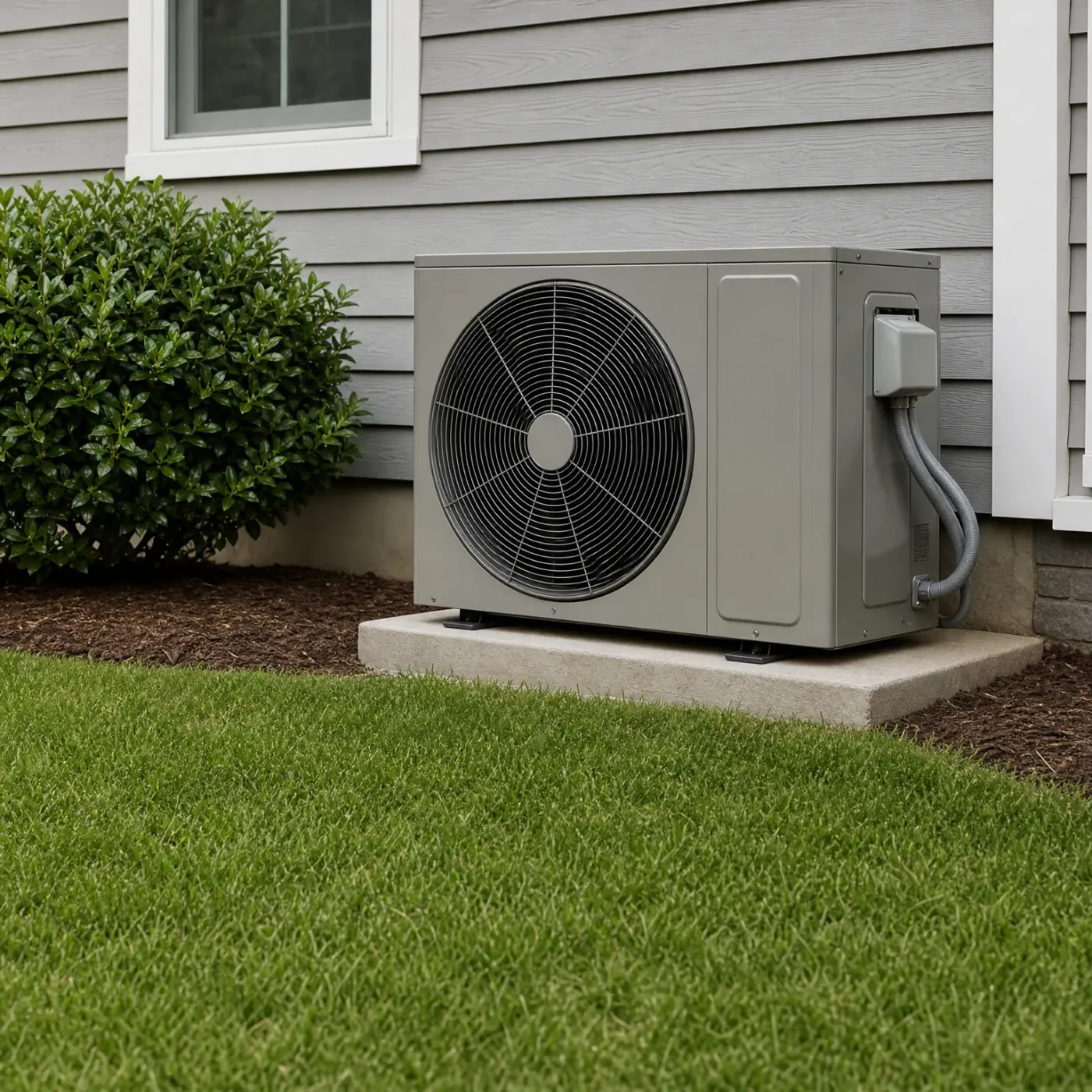
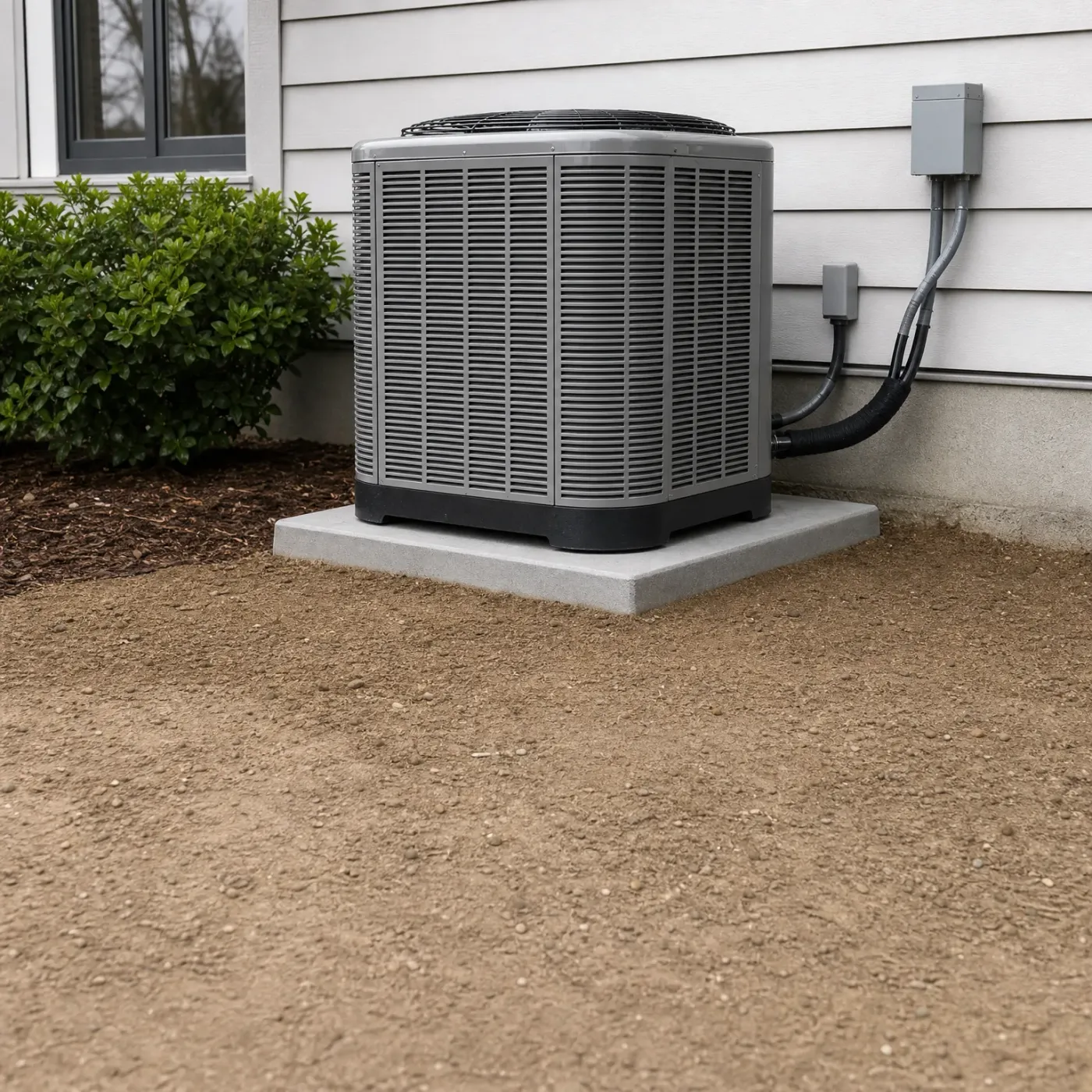
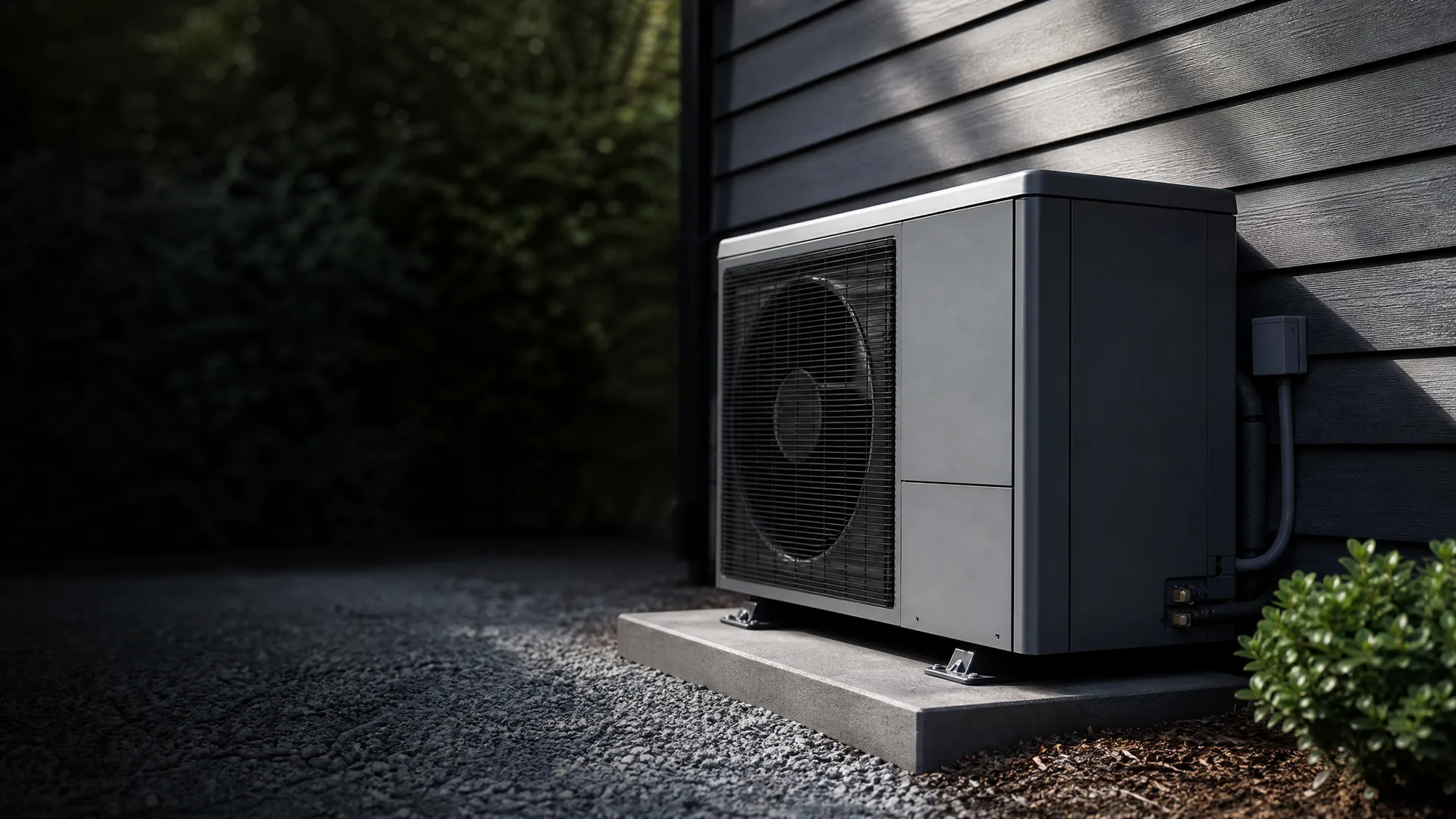
A heat pump that's keeping up looks like this: clean grilles, steady airflow, no ice building up on the coil. It sits on its pad doing its job, drawing heat from the outside air in winter and pulling it back out in summer without strain.
Showing its age
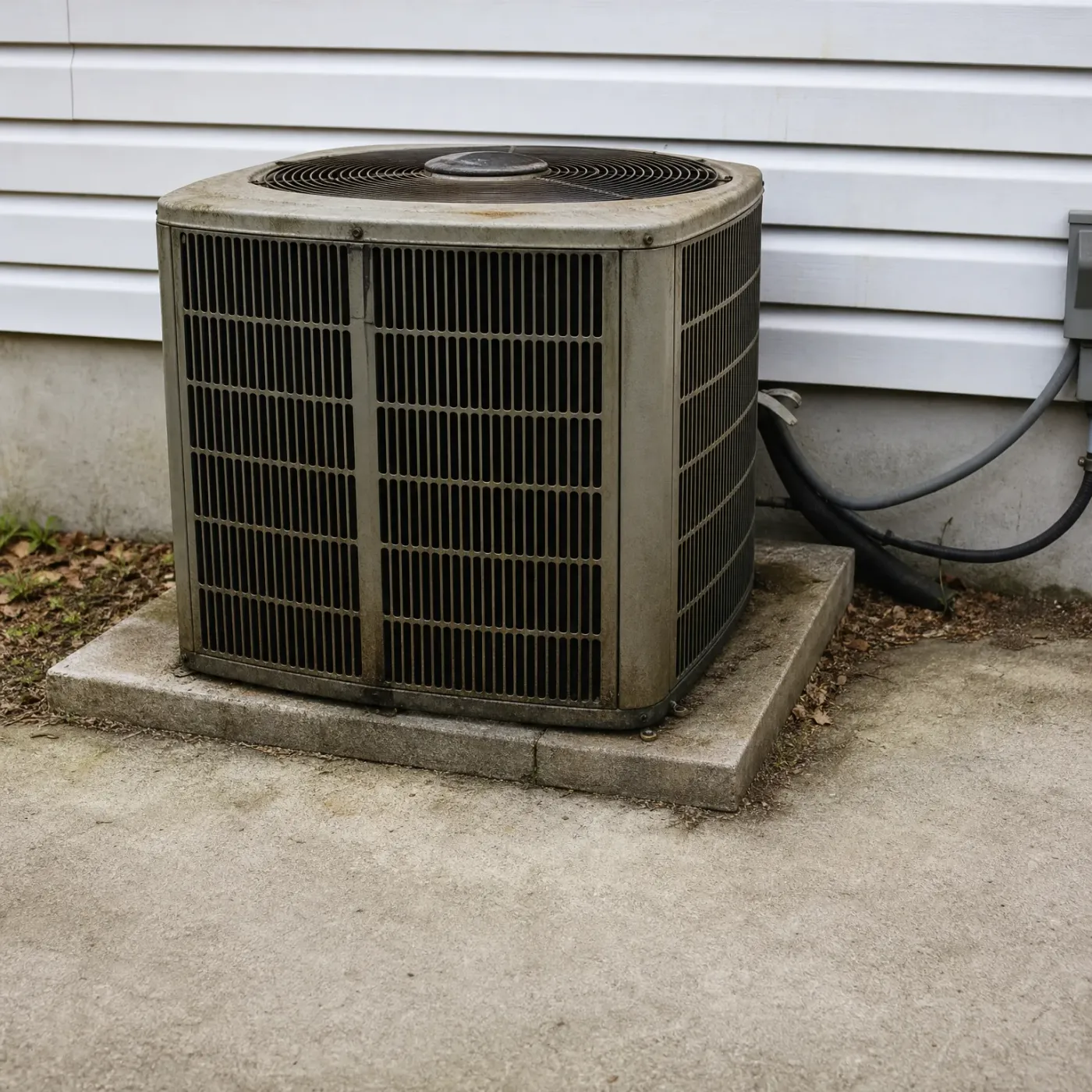
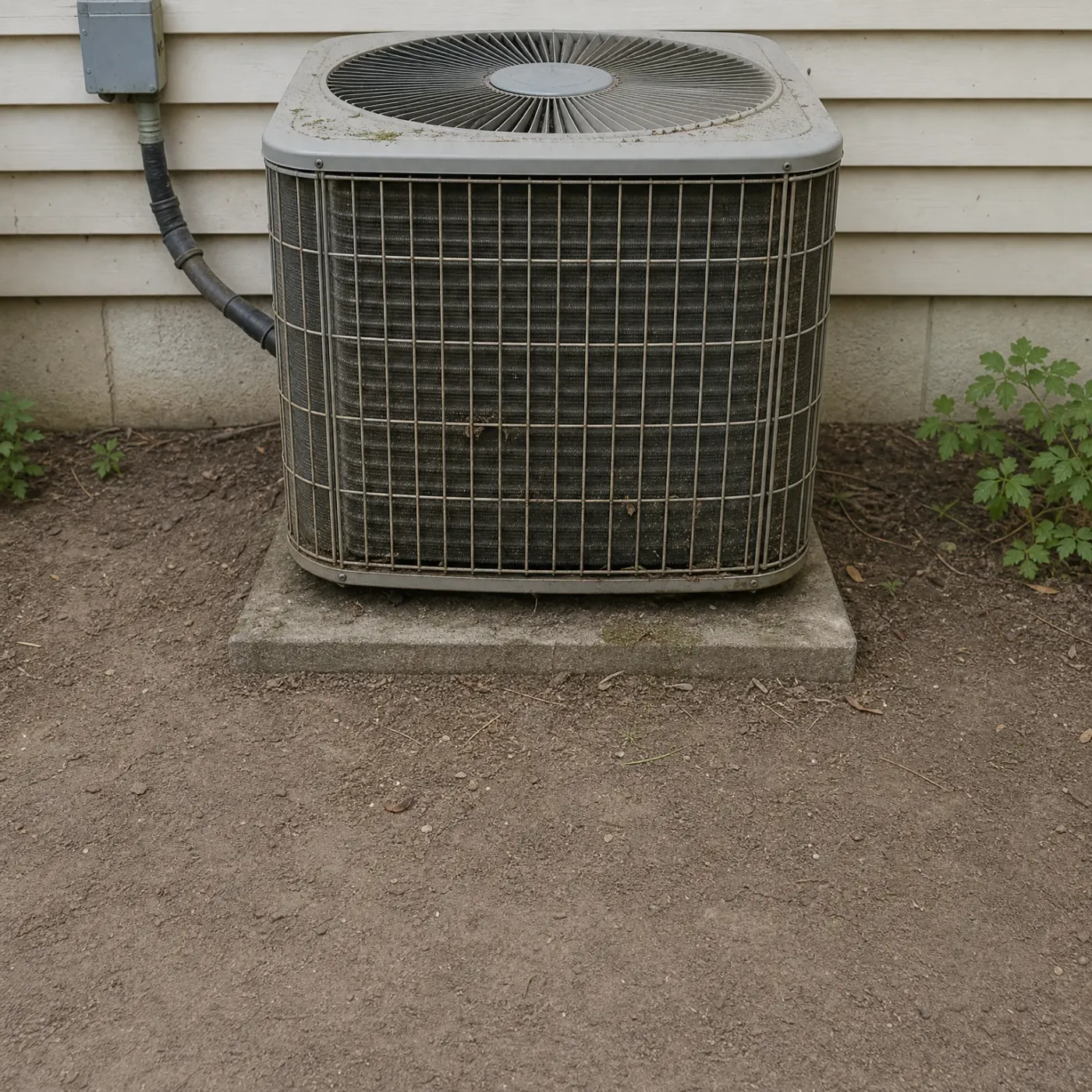
Grime on the grilles blocks airflow the unit needs to work. Weathering like this, especially on an older unit, often comes with higher bills and a harder time holding the house at temperature through a Minnesota winter. It's worth having someone look at what's underneath before deciding what to do next.
Before you get your heat pump installationAfter you get your heat pump installation
A Minnesota summer runs a dew point of 59°F across June, July and August, according to NOAA climate data. That's air without much weight to it, which is why your heat pump isn't straining to pull moisture out the way one would further south. It's doing less work to dry the house than it is to cool it. You'll notice the unit cycling off sooner than you'd expect, and the house still feels right. The bigger load on this equipment comes later, when it has to pull heat out of cold winter air instead. Summer here is the easy season for it.
NASA POWER T2MDEW county cells weighted by homes
What an aging heat pump costs you in a Minnesota winter
A heat pump that's losing the fight against cold air shows up on your gas bill before it shows up anywhere else. The backup furnace carries more of the load than it should, more often, and you pay for that heat twice: once for the gas it burns and once for the electricity the heat pump used trying to keep up before it gave in. You might not notice the shift for a season or two. You'll notice it on the bill.
There's also what it risks sitting outside through a Minnesota winter. A unit that's struggling tends to run longer cycles, build more frost, and lean harder on parts that were never going to last forever. If yours is already on its way out, a straight repair might just get you through to the next failure. A contractor who installs heat pumps in this climate can look at what you've got and tell you whether replacing it now saves you from paying for the same problem again next January.
Power costs 15.83 cents per kilowatt-hour statewide
At 15.83 cents per kilowatt-hour, every hour your heat pump runs longer than it needs to shows up on the electric side of your bill too, not just the gas side. A unit that's lost efficiency pulls more power to move the same heat, so a tired heat pump costs you twice over.
EIA-861 2025 statewide residential average
What to Do With Your Heat Pump
A heat pump keeping up with a Minnesota winter runs steadily and leans on the backup furnace only when it's genuinely cold, not every week.
If yours is icing up, running constantly, or pushing your gas bill higher without a reason, that's the sign to get it looked at.
A contractor who works on heat pumps in this climate can tell you whether the fix is a repair or a full installation.
Guessing at the answer yourself usually costs more than finding out, since the wrong call means paying for work you didn't need.
Once you send the form, the search for who to call is off your plate.
The unit on your pad now will either get fixed or get replaced, but either way you stop carrying the question around with you.
A heat pump either keeps up with a Minnesota winter or it doesn't, and by now you have a sense of which one yours is doing. Steady runtime, backup furnace kicking in only on the coldest days, no ice on the coil: that's a unit doing its job. Constant cycling, ice that keeps coming back, a gas bill climbing for no reason you can point to: that's a unit asking for a decision. The decision itself isn't one you need to make alone. A contractor who knows how heat pumps hold up against Minnesota cold can look at what's actually happening with yours, the refrigerant charge, the defrost cycle, the age of the compressor, and tell you whether it's worth repairing or whether installation is the better money. Working that out yourself means guessing, and a wrong guess means paying twice, once for a repair that doesn't hold and again for the replacement you needed from the start. Sending the form doesn't commit you to either outcome. It just means someone who does this for a living takes the question off your hands and gets back to you with an answer specific to your house. Whatever's sitting on your pad right now, it either gets fixed or it gets replaced. Either way, you stop living with the wondering, and that's worth more than it sounds like this time of year.