Heat pump keeping up
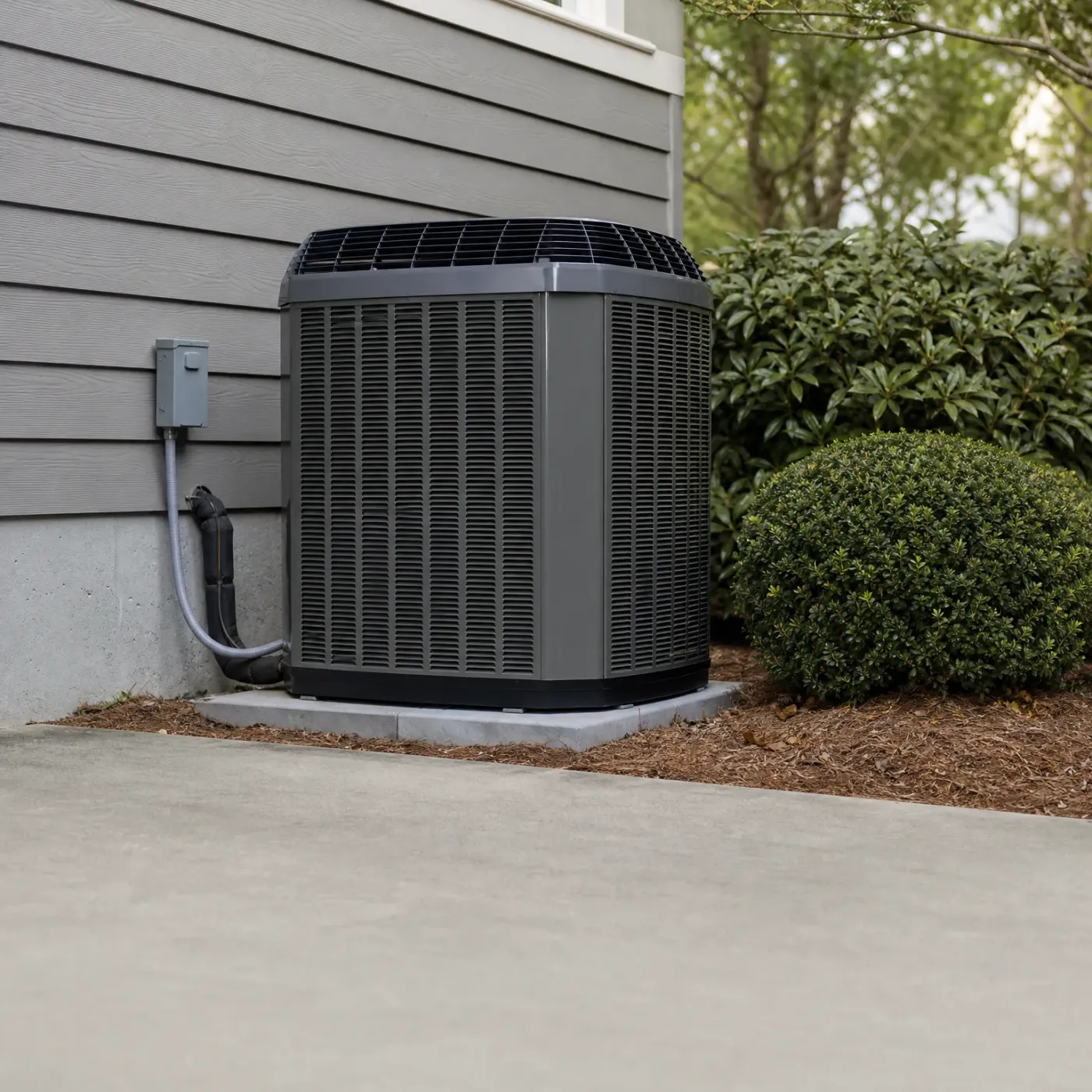
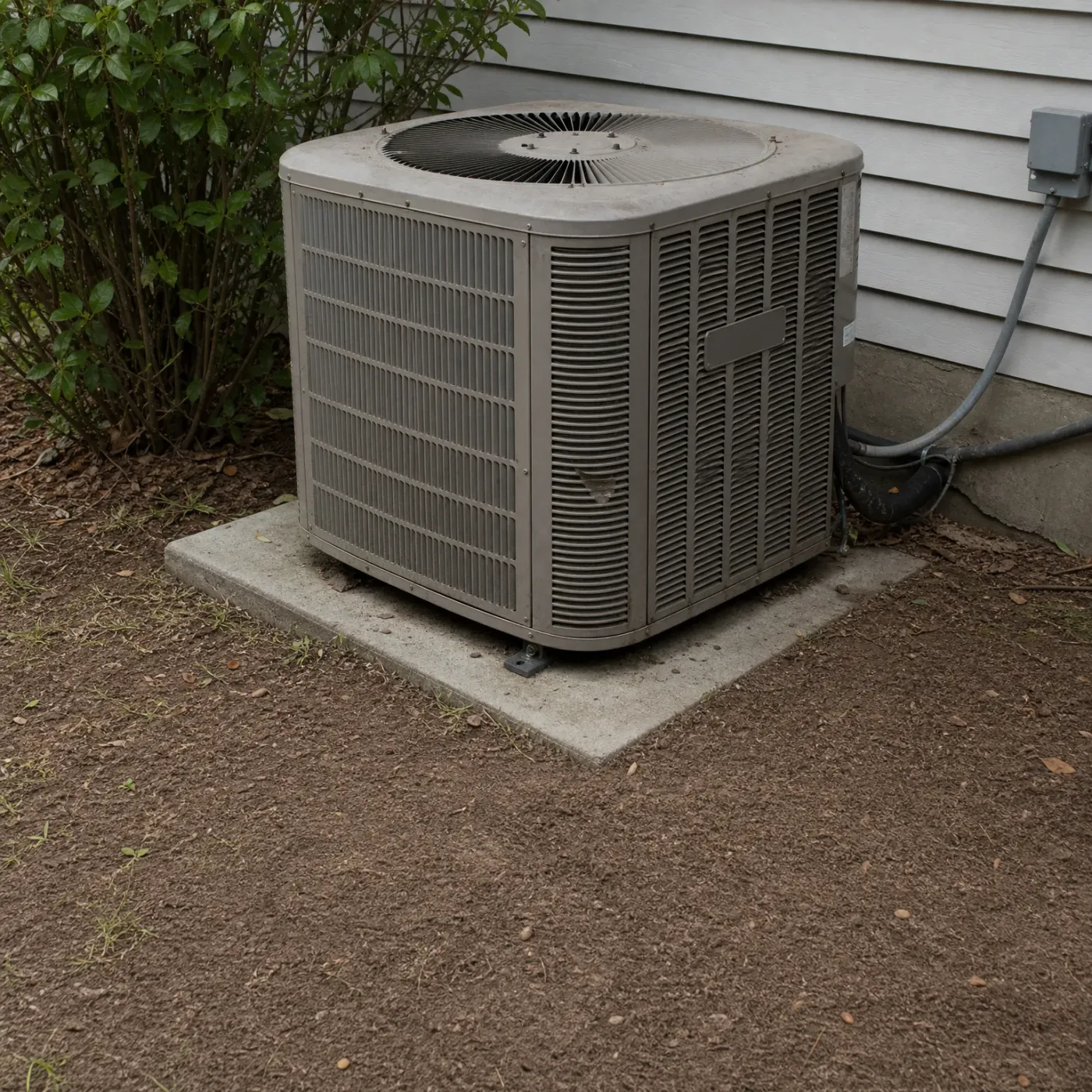
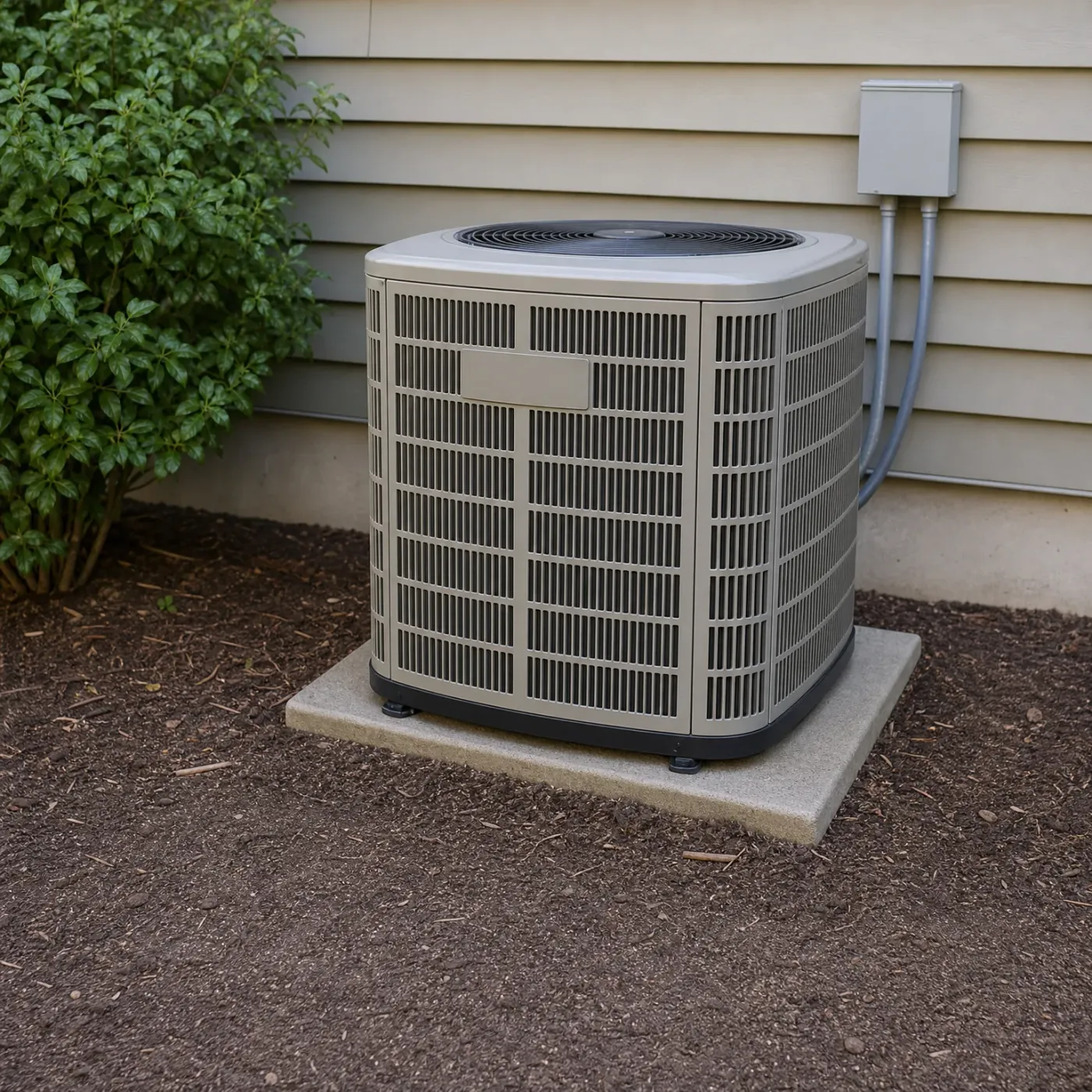
This is a heat pump running the way it's supposed to in the cold. The coil is clean, the fins are open, and the unit is pulling what heat it can out of the air without help. The strips stay off, and your bill reflects it.

Auxiliary heat is the backup heat that kicks in when your heat pump can't pull enough warmth out of the cold outside air by itself. In Minnesota, that happens a lot once temperatures drop into the 20s and below, because a heat pump works by moving heat from outside air, and there's only so much heat to move when it's that cold. Most homes here pair the heat pump with a gas furnace, so when auxiliary heat kicks on, the furnace is doing the work instead. You'll notice it if your thermostat shows a stage two or "aux" light, or if the air coming out feels hotter than usual. Some aux heat in deep winter is normal. If it's running constantly, running in mild weather, or your heat pump seems to never reach the set temperature on its own, something's off, usually a refrigerant or sensor problem keeping the heat pump from doing its share.
Your thermostat doesn't hand you a separate aux heat switch. The system decides on its own, once the outdoor coil can't draw enough heat from the air to keep up with the thermostat setting. Most Minnesota homes have electric resistance strips in the air handler doing that backup work, and they pull a lot more power than the compressor does by itself. Frost is part of this too. When the outdoor coil needs defrosting, the system borrows warmth to melt it off so the vents don't blow cold air while that happens, and aux heat often covers that gap. If your home runs dual fuel, the furnace takes over instead of electric strips, switching on at a set outdoor temperature rather than staying idle as backup. Either way, the compressor keeps running once aux heat starts. They work together until the house reaches temperature, not one replacing the other. So if the aux light is on for hours when it's only in the 30s outside, that's not how the system is supposed to behave.




You notice aux heat first on the bill, not the thermostat. Electric resistance strips cost more to run than the compressor, so a January or February bill that jumps higher than the month before usually means the strips carried more of the load than they should have. The thermostat itself won't tell you this is happening. It holds the house at whatever temperature you set, and it doesn't separate out which part of the system is doing the work, so a cold snap can run aux heat for hours without anything on the display changing. What you can notice is how long the system runs and how the air feels coming out of the vents. Short bursts of aux heat during a real cold snap are normal. Hours of it running, or air that feels weaker than it used to, points to the heat pump side not pulling its share, whether that's the outdoor coil, the compressor, or ice sitting on the outdoor unit that isn't melting off on its own. A dirty furnace filter adds to this even on milder days, because restricted airflow makes the system reach for aux heat sooner than it needs to. None of this is dangerous to ignore in the short term. It just means you're paying for electric strips to do a job the heat pump was supposed to handle, and that gap shows up every billing cycle until whatever's causing it gets fixed.
At 15.83 cents per kilowatt-hour, those electric strips add up fast. Your heat pump moving heat costs far less per hour to run than strips making it from scratch, so the more aux heat kicks in this winter, the more your bill climbs above what the compressor alone would cost you.
EIA-861 2025 statewide residential average
A heat pump works by pulling heat out of outside air and moving it inside. The colder that air gets, the less heat there is in it to grab. Somewhere around 25 to 30 degrees, depending on the unit, the compressor is working as hard as it can and still falling behind what your house needs. That's not a sign of failure. It's the limit of how the refrigerant cycle works. Minnesota winters push past that limit for weeks at a stretch, which is why aux heat is built into the system here rather than being a rare backup.
Below freezing, the outdoor coil picks up frost the same way a cold glass picks up condensation. Left alone, that frost blocks airflow across the coil and the unit stops absorbing heat at all. The system runs a defrost cycle to clear it, reversing briefly to melt the frost off. While that's happening, the heat pump isn't heating your home, so aux heat steps in to cover the gap. A unit defrosting several times in an afternoon during a cold snap is normal. One that seems to run defrost nonstop is worth having a contractor look at.
The pro who reaches out is licensed in Minnesota.
Sending the form costs nothing.
Summer here doesn't ask much of your heat pump by comparison. The dew point averages 59°F across June, July and August, which is on the dry side as these things go, so the compressor isn't fighting to wring moisture out of heavy air the way it would further south. That matters for winter too, because a heat pump that hasn't been stressed all summer should be in good shape heading into the cold months, when it has to work far harder just to pull heat out of the air instead of pulling moisture out of it. If aux heat is kicking in more than it should once temperatures drop, the coil or compressor is worth checking before the next cold snap, not after.
NASA POWER T2MDEW county cells weighted by homes
You might notice the air coming out of the vents feels warmer than usual, almost hot, instead of the steady lukewarm air your heat pump normally puts out. That's a sign the strips took over. You might hear the furnace blower cycle longer than it used to, or notice the outdoor unit isn't running at all during a stretch of single-digit weather. If you check your bill in January or February and it's noticeably higher than December's, that's often the strips carrying more of the load than they should. Left alone, a heat pump that leans on aux heat all winter instead of a few hours at a time will keep costing more every month until something gets fixed.
This is a heat pump running the way it's supposed to in the cold. The coil is clean, the fins are open, and the unit is pulling what heat it can out of the air without help. The strips stay off, and your bill reflects it.
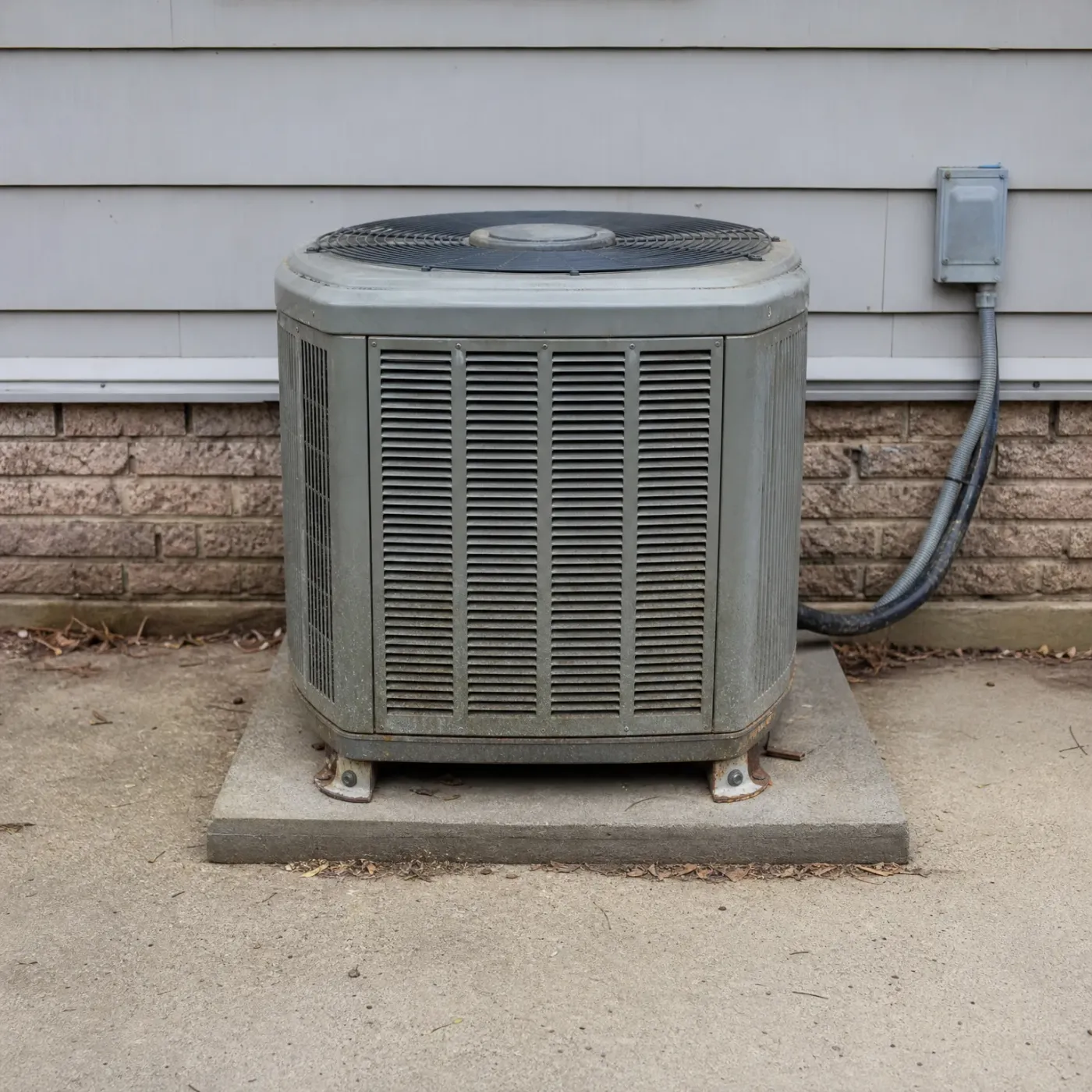
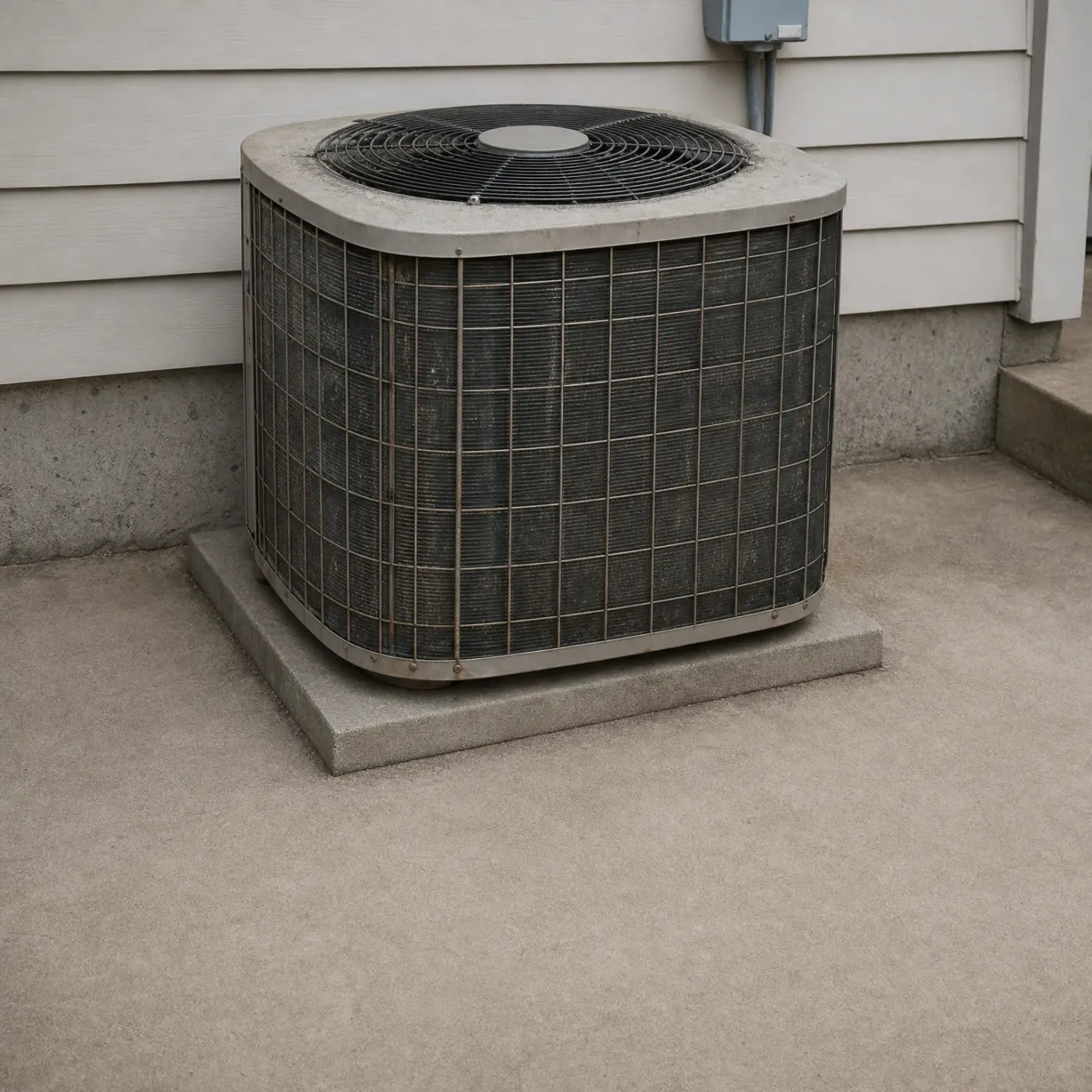
Dust and grime like this block airflow across the coil, so it can't absorb enough heat even when the compressor is working hard. That's when aux heat steps in to cover the gap, and it'll keep stepping in until the coil gets cleaned or whatever's behind it gets fixed.
Outdoor temperature drops and the compressor pulls less heat from the air.
The thermostat compares indoor temperature to your set point and sees a gap.
The control board switches on the electric strips in the air handler.
The strips heat up and the blower pushes that heat through the ducts.

Aux heat switching on during a cold snap is normal. A heat pump that leans on it for hours at a time, or runs up your bill well past what the compressor alone would cost, is telling you something needs a look. Usually that's a dirty coil, a low charge, or a thermostat that's calling for more than it should.
Finding someone to look at it is its own chore: searching, calling a few places, explaining the same thing twice while you compare quotes and wait for callbacks. This page connects you with one licensed Minnesota contractor instead, someone who works on heat pumps all winter and knows what tends to fail when aux heat runs longer than it should. You get a diagnosis, not a guessing game.



If your heat pump is leaning on those strips more than it should, that's a coil, a charge, or a compressor question worth having a local contractor look at. Instead of calling around and explaining the same thing to three different companies, you get matched with one licensed Minnesota contractor who works on heat pumps all winter and knows what usually causes this. Fewer calls, one quote, someone who already knows what the strips kicking on all the time usually means.
Only one pro gets your request, so you hear from one company.
You're not committing to anything by asking.