What defrost mode means on a Minnesota heat pump

Step 1 of 3: Equipment

Why is my heat pump blowing cold air and making a weird noise?

Minnesota winters push heat pumps hard, and when you walk by and feel cold air coming out along with some kind of rumbling or hissing, it's natural to think the unit broke. Most of the time it didn't. There's a specific mode your heat pump runs through on cold days that causes both the cold air and the noise, and it's worth knowing before you assume the worst.

That's defrost mode, and it's normal on a cold Minnesota day

Your outdoor unit pulls heat from the air outside, and in Minnesota that air is often near or below freezing, so frost builds up on the outdoor coil. Every so often the system reverses itself for a few minutes, sends hot refrigerant outside to melt that frost, and the indoor fan keeps blowing while it happens. Since the system is in cooling mode during that reversal, the air coming out of your vents runs cold. The hissing or whooshing you hear is the reversing valve switching over and refrigerant moving through the lines. This should last only a few minutes before the system switches back to heating and the air warms up again. If it runs long, repeats often, or the air never warms back up, that points to a problem worth having looked at.

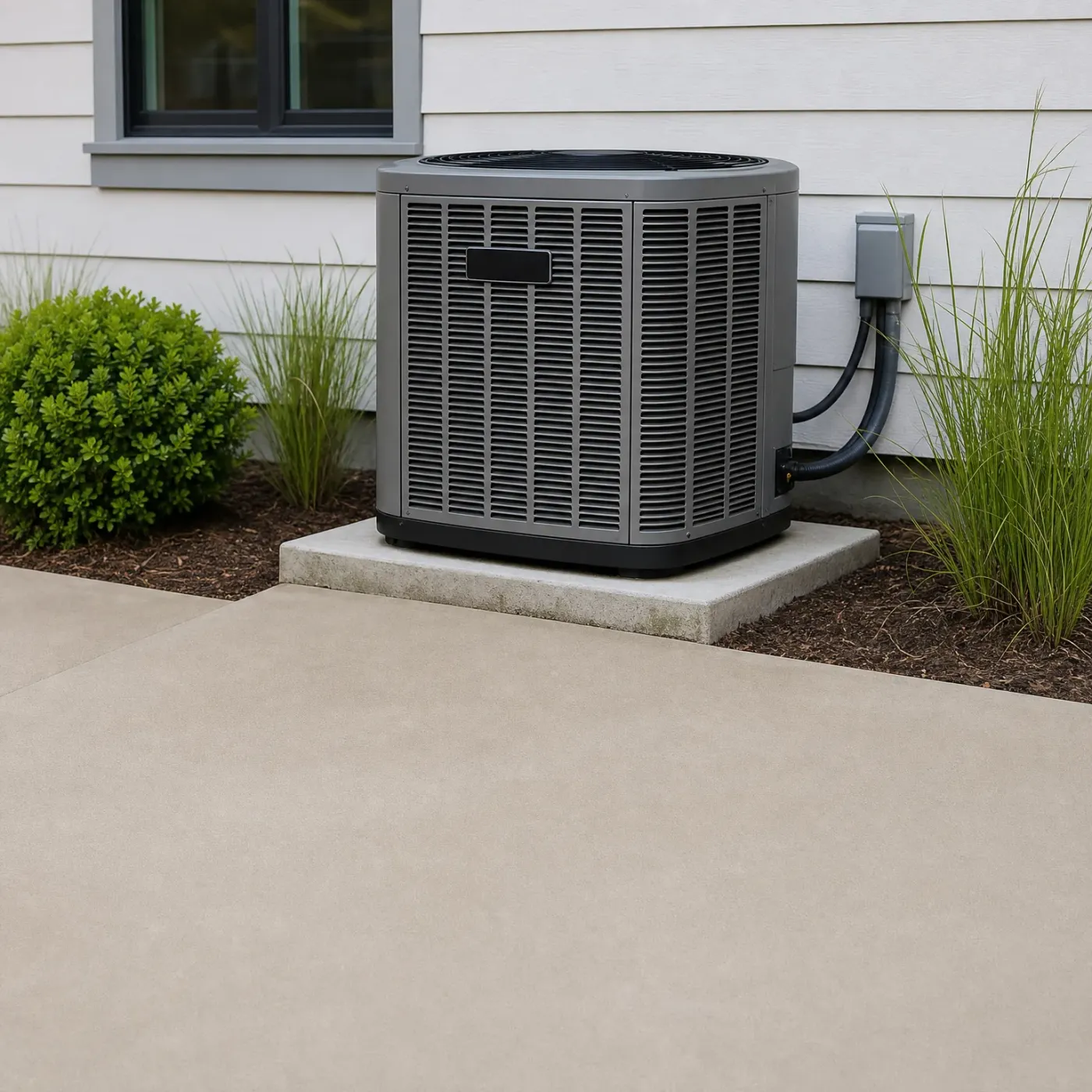
A gray outdoor condenser unit on a concrete pad beside a light-colored horizontal-siding house, with a disconnect box and refrigerant line on the wall, ornamental grasses and a shrub in mulch nearby, and a concrete patio in the foreground.

Defrosting the way it should

The outdoor unit sits quiet, coated with a thin layer of frost on the coil. Every so often it switches over, the fan stops, and steam rises off the coil as the frost melts. Inside, you might hear a whoosh or feel cool air for a few minutes. That's the cycle doing its job.
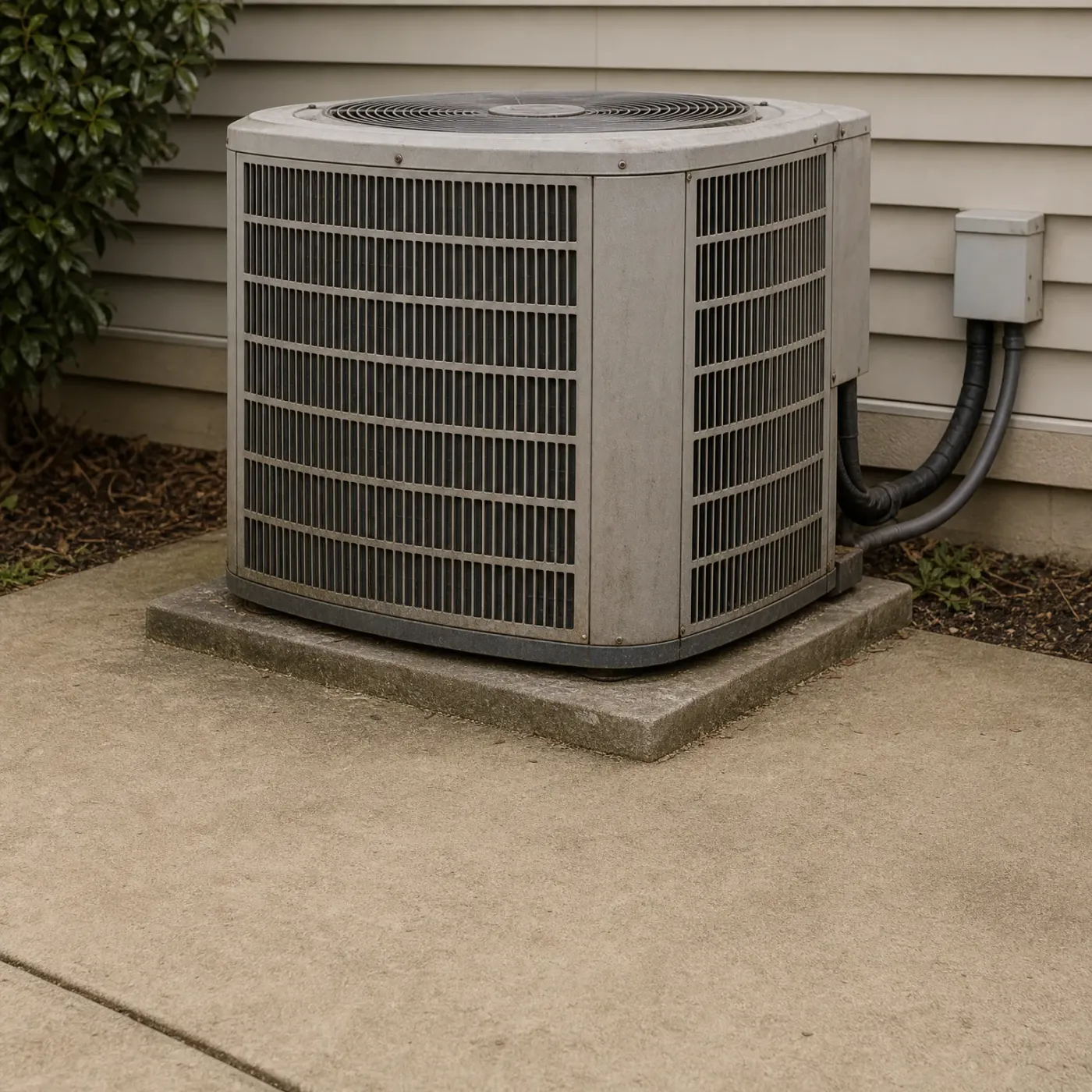
An outdoor condenser unit sits on a concrete pad beside a house with horizontal vinyl siding, with a gray electrical disconnect box and conduit on the wall and a shrub at left.

Stuck in defrost

The coil is caked in ice, not frost, thick enough to cover the fins. The unit runs the cycle but never clears it, or it clears and ices right back over within the hour. Cold air inside keeps running longer than a few minutes. That's not a normal defrost. A local contractor who services heat pumps through Minnesota winters can tell you why it's not clearing and what to do about it.

Normal Defrost or Stuck

Normal defrost

  • The cycle usually runs ten to fifteen minutes, then the unit goes back to heating on its own.
  • Steam coming off the outdoor coil during the cycle is just melting frost, not smoke.
  • Cool air from the vents for a few minutes is the heat pump borrowing heat to run the cycle, not a sign of failure.
  • The outdoor fan stops turning while the coil clears, then starts again once the frost is gone.
  • This happens on its own schedule through the cold months and doesn't need anyone to check on it.
  • If your gas furnace kicks in during the cycle through backup heat, that's the system working as designed.

Stuck in defrost

  • The outdoor unit stays iced over well past fifteen minutes and the fan never comes back on.
  • Cold air keeps blowing inside for longer than a normal cycle instead of switching back to heat.
  • Ice builds up on the coil, the lines, or the base of the unit instead of melting off clean.
  • The unit cycles into defrost too often, sometimes every half hour or less, even when it isn't that cold out.
  • A reversing valve or defrost sensor that's failing can leave the system stuck between modes.
  • Left alone, a unit stuck in defrost will lean harder on backup heat and ice up worse the next time it drops below freezing.
A single-story house with gray vinyl siding, dark shingled gable roofs, and white-trimmed windows, set behind a partly dry green lawn under a clear blue sky.

Minnesota summers don't feel heavy the way they do further south, and the number backs that up: dew point averages 59°F across June, July and August, according to NOAA climate data. That's dry enough that your heat pump isn't working overtime to wring moisture out of the air, which means less strain on the system during cooling months. Where Minnesota heat pumps earn their keep is winter defrost, cycling through frost and thaw on the coldest days. If a defrost cycle starts running long, won't stop, or the unit comes back blowing cold air with a strange noise, that's a sign worth checking before it turns into a bigger repair. A local contractor who works on heat pumps through a Minnesota winter sees this pattern often and knows what to check first.

NASA POWER T2MDEW county cells weighted by homes

Get the right pro for your heat pump

A heat pump that won't come out of defrost, or that drops into it every few minutes instead of every hour or so, is telling you something is off with the sensors or the reversing valve, not just fighting a cold snap. That's a harder call to make from the couch than the difference between normal frost and a real problem, especially once you're past zero and the unit is already working harder to begin with. A contractor who services heat pumps through a Minnesota winter sees this pattern every season and knows which part tends to cause it on your kind of unit. The request goes to one licensed contractor working near you, not a handful competing for the job, so the person who calls you back is the one who'll actually be standing in front of your outdoor unit. If the cold air and the noise aren't settling into that normal ten to fifteen minute pattern, that's worth having someone look at before the next cold stretch.

What's actually happening during defrost

  • The reversing valve flips to send hot refrigerant backward through the outdoor coil to melt the frost.
  • A thermostat or sensor on the outdoor coil tells the control board when frost has built up enough to start a cycle.
  • The outdoor fan shuts off during defrost so it isn't blowing cold air across the coil while it's trying to warm up.
  • A backup heat source, gas furnace or electric strip, kicks in to keep the air coming out of your vents from feeling cold.
  • The board runs the cycle on a timer, usually checking every thirty to ninety minutes depending on how it's programmed.
  • Once the coil sensor reads clear of frost, the board switches the valve back and the outdoor fan starts up again.

A heat pump moves heat from outside air into your house, and in a Minnesota winter, that outdoor coil picks up frost the same way a car windshield does on a cold, damp night. Left alone, that frost would block airflow across the coil until the system couldn't pull in any heat at all. So the control board runs a check on a timer, usually every thirty to ninety minutes, using a sensor mounted right on the outdoor coil to see how much frost has built up. When it decides a cycle is needed, it flips the reversing valve, the same valve that lets the system heat and cool, so hot refrigerant runs backward through the outdoor coil instead of the indoor one. The outdoor fan shuts off at this point, since blowing cold air across a coil that's trying to warm up would work against the whole point of the cycle. That's why from outside it looks like the unit just stopped. Meanwhile, because the system is pulling heat out of your house's air instead of putting it in, a furnace or electric strips kick on to keep what's coming out of your vents from running cold. Once the coil sensor reads clear, the board switches the valve back, the outdoor fan comes back on, and the heat pump goes back to pulling heat from the outside air like nothing happened.

A woman in a cream cowl-neck sweater sits by a window with snow outside, in a dimly lit living room with a sofa, lit lamp, mirror, candles and a fireplace.
A woman in a gray turtleneck sweater sits beside a large window looking out at snow-covered evergreen trees, in a dimly lit living room with a lit fireplace, lamps, couch and houseplant.
A woman in a cream turtleneck sweater stands beside a large window with snow-covered ground and bare trees outside, in a dimly lit living room with lamps, a sofa and framed art.
A woman in a grey cowl-neck sweater stands indoors near a window, looking out at falling snow, with a lamp, framed picture and couch in the warmly lit room behind her.

Why frost builds up at all

Minnesota air holds moisture even in the cold, and that moisture lands on the outdoor coil as frost every time the unit runs in winter. A furnace coil never deals with this, which is why this step confuses people coming from gas heat. The colder it gets outside, the more often frost forms, so a heat pump in January defrosts more often than one in November. That's the coil doing its job, not failing at it.

Why the cycle has to be short

The control board times the defrost cycle so the coil clears without wasting the heat it borrows to do it. Running hot refrigerant backward through the coil for too long would cool the house down for no reason, so the board shuts it off once the sensor reads a clear coil. That's why a cycle stretching well past fifteen minutes, or one that keeps restarting, points to a sensor or valve that isn't reading the coil right.

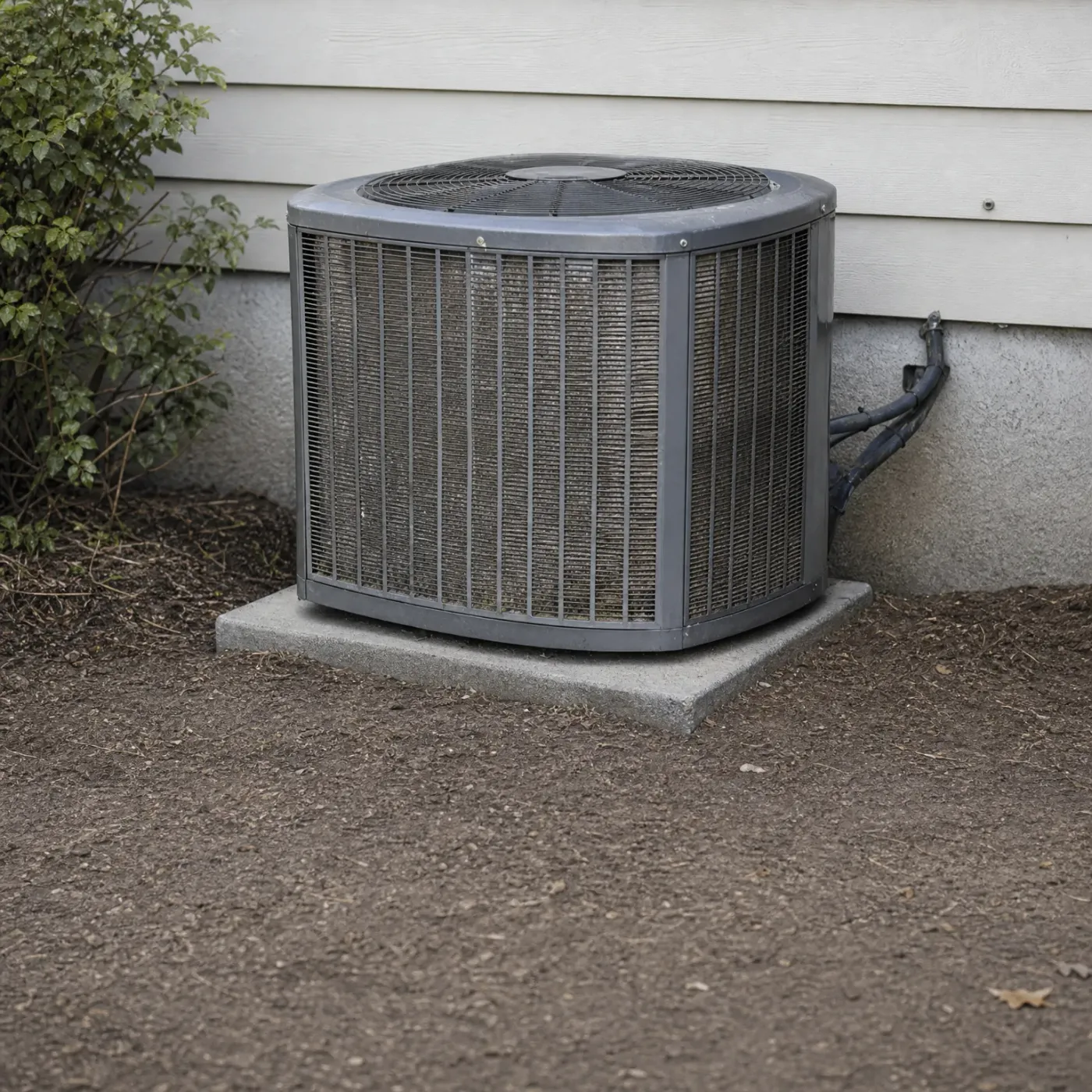
An outdoor air conditioner condenser unit on a concrete pad beside a house with horizontal lap siding, with refrigerant lines entering the wall and a shrub on bare soil to the left.
Before you get your heat pump repair
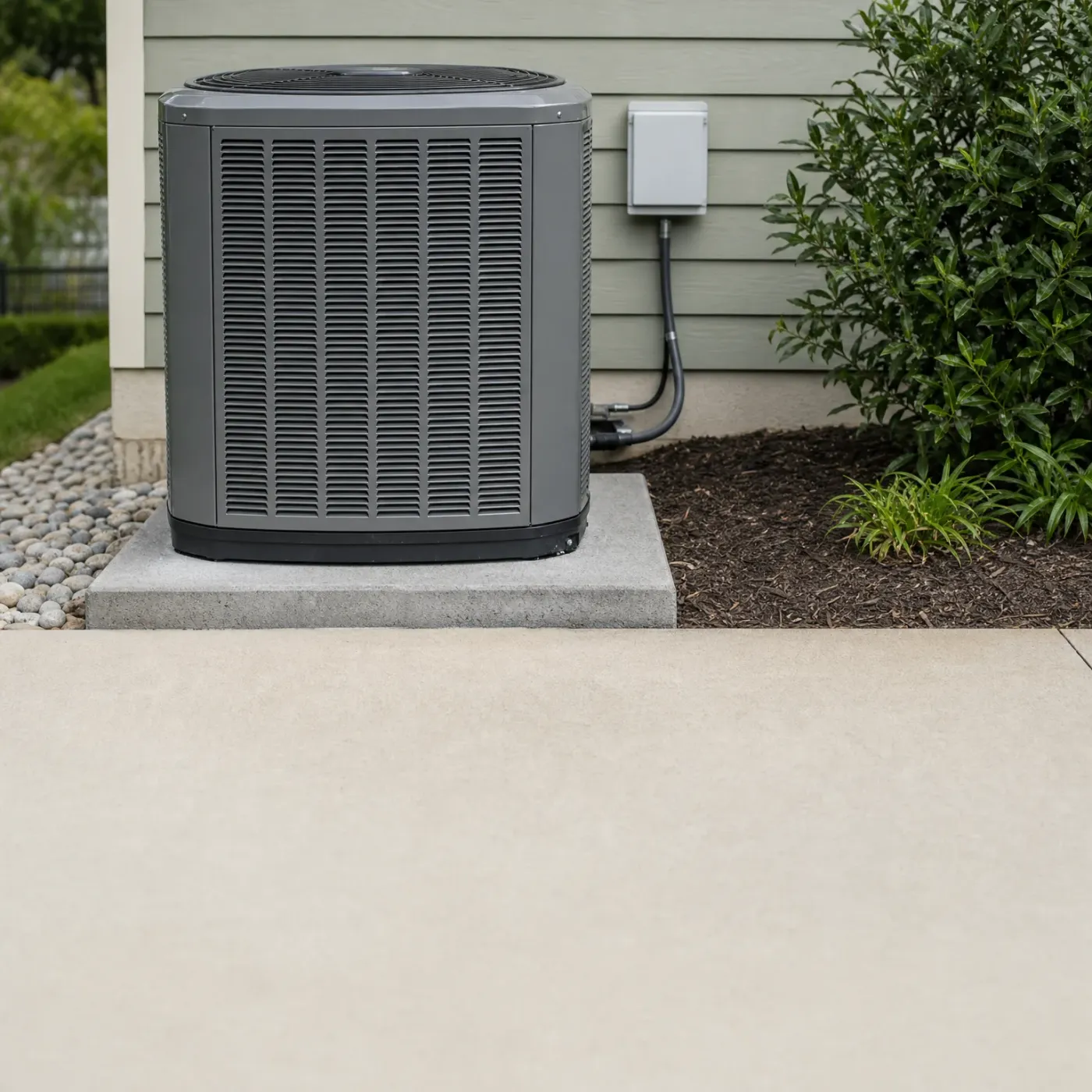
A gray outdoor condenser unit on a concrete pad beside a light green lap-sided house, with a wall-mounted electrical disconnect box, mulch bed with shrubs, river rock, and a paved walkway in the foreground.
After you get your heat pump repair

A normal defrost cycle

The unit pauses on its own, melts the frost, and goes back to heating. Nothing to do, nothing at risk, your house stays warm the whole time.

Find a licensed heat pump pro

A heat pump stuck in the wrong pattern

Short cycles that repeat every few minutes mean less heat getting into your house on a cold Minnesota day, and a part working toward failure in the background.

Find a licensed heat pump pro
A bearded man in a blue and brown plaid flannel shirt stands indoors looking out a window at snow-covered trees, with a ceramic mug on the windowsill.
A man in a blue T-shirt sits on a light gray sofa, laughing while looking at an open laptop in the foreground, with a framed picture, lamp and potted plant behind him.

Power costs 15.83 cents per kilowatt-hour statewide

At 15.83 cents a kilowatt-hour, running the outdoor fan and reversing valve through a defrost cycle costs you almost nothing. The expensive part is a unit stuck defrosting every few minutes, since that's your backup heat picking up the slack while it sorts itself out.

EIA-861 2025 statewide residential average

A heat pump that defrosts every hour or so, runs the cycle for ten or fifteen minutes, and goes back to heating is doing exactly what it should. Minnesota winters put frost on that outdoor coil every day the unit runs, and melting it off is routine work, not a breakdown. What's worth a call is a unit that won't come out of defrost, or keeps dropping into it every few minutes, because that points to the reversing valve or a bad sensor reading and it won't fix itself by waiting. A contractor local to your area who works on heat pumps all winter has seen this pattern before and knows which part usually causes it. You'd be matched with one contractor, not a handful calling you back at once, someone who can look at your unit and tell you straight whether it's the sensor, the valve, or something else. Either way, you now know what normal looks like and what doesn't, and that's the difference that matters when you're standing outside watching steam come off the coil.

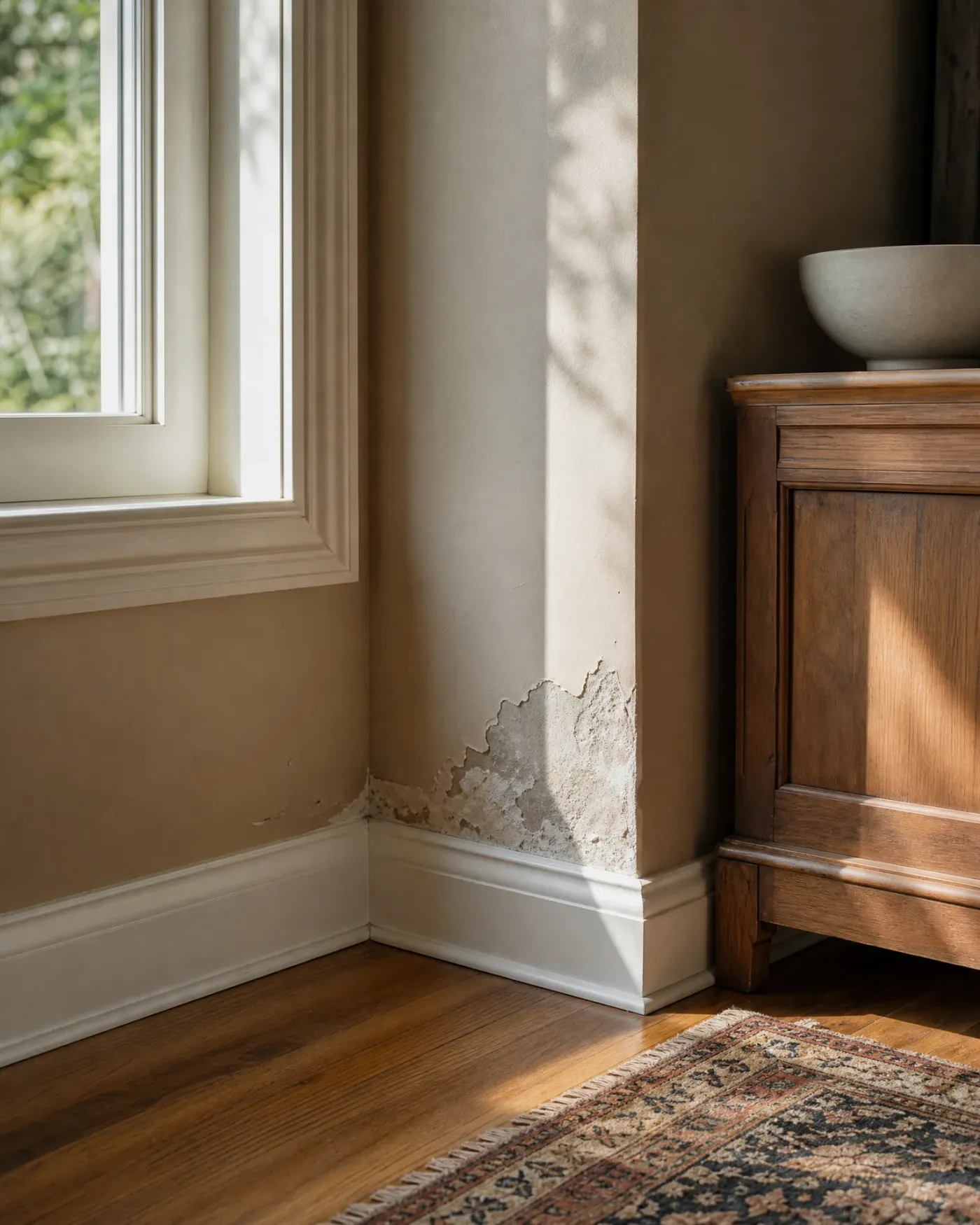
Interior room corner with sunlight from a window, showing peeling paint and damaged plaster on the wall above a white baseboard, a wooden cabinet with a pale bowl on top, hardwood floor and a patterned rug.
Interior corner of a room with tan walls, white profiled baseboard and window trim, a wood-plank floor in sunlight, and green foliage visible through the window.
An empty room corner with cream walls, white baseboard, two windows with deep sills showing green foliage outside, and a wood plank floor lit by sunlight.
Empty room corner with beige walls, white beadboard wainscoting, chair rail and baseboard, a window with green foliage outside, and sunlight casting leaf shadows on the wall above a wood floor.
Sunlit room corner with a multi-pane window, beige walls, white baseboard, wood floor with a woven rug, and a dark wooden cabinet holding a ceramic table lamp below a framed picture.

Get your heat pump to the right pro

The pro who reaches out is licensed in Minnesota.

Get one local pro

It costs nothing to send, and you don't have to hire anyone.