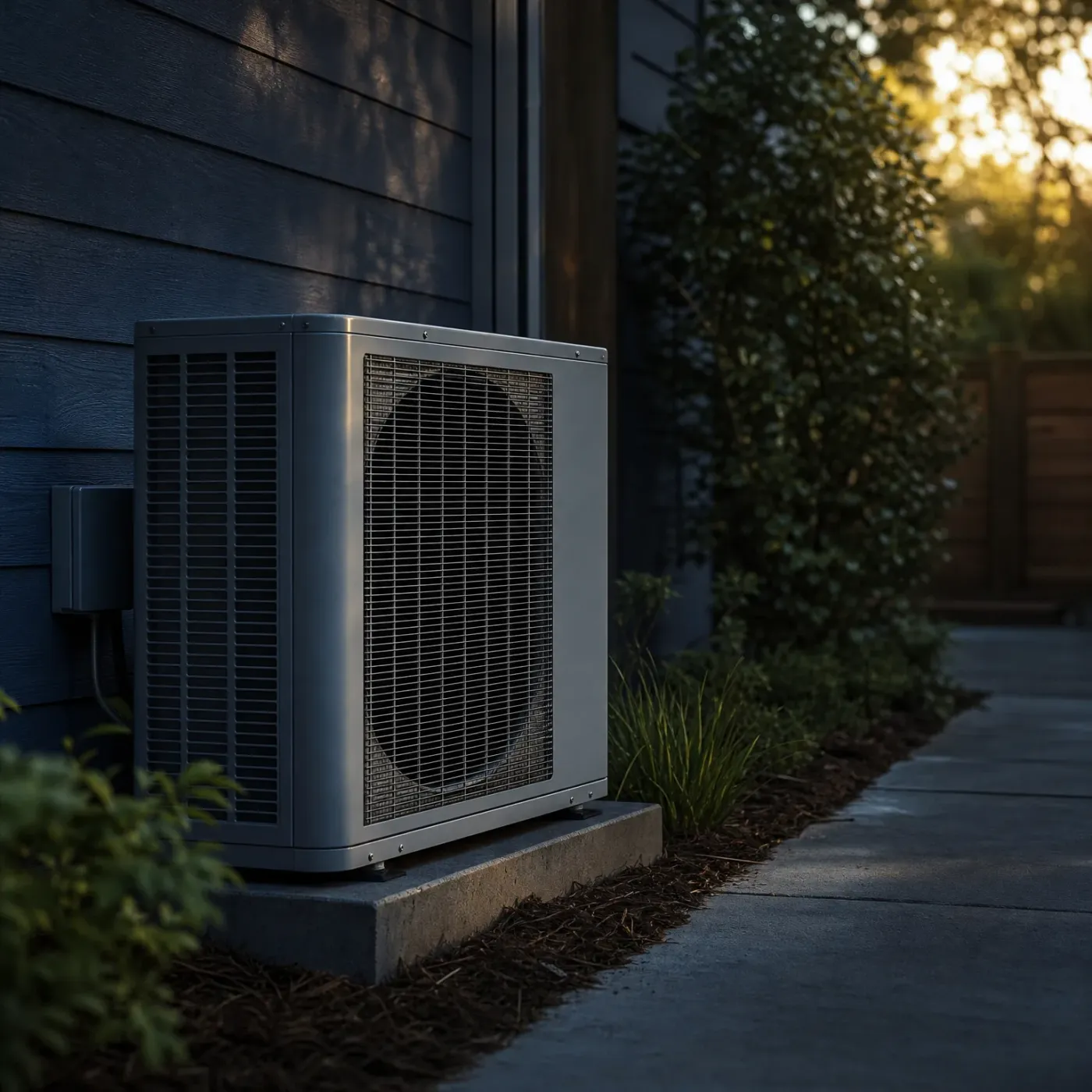




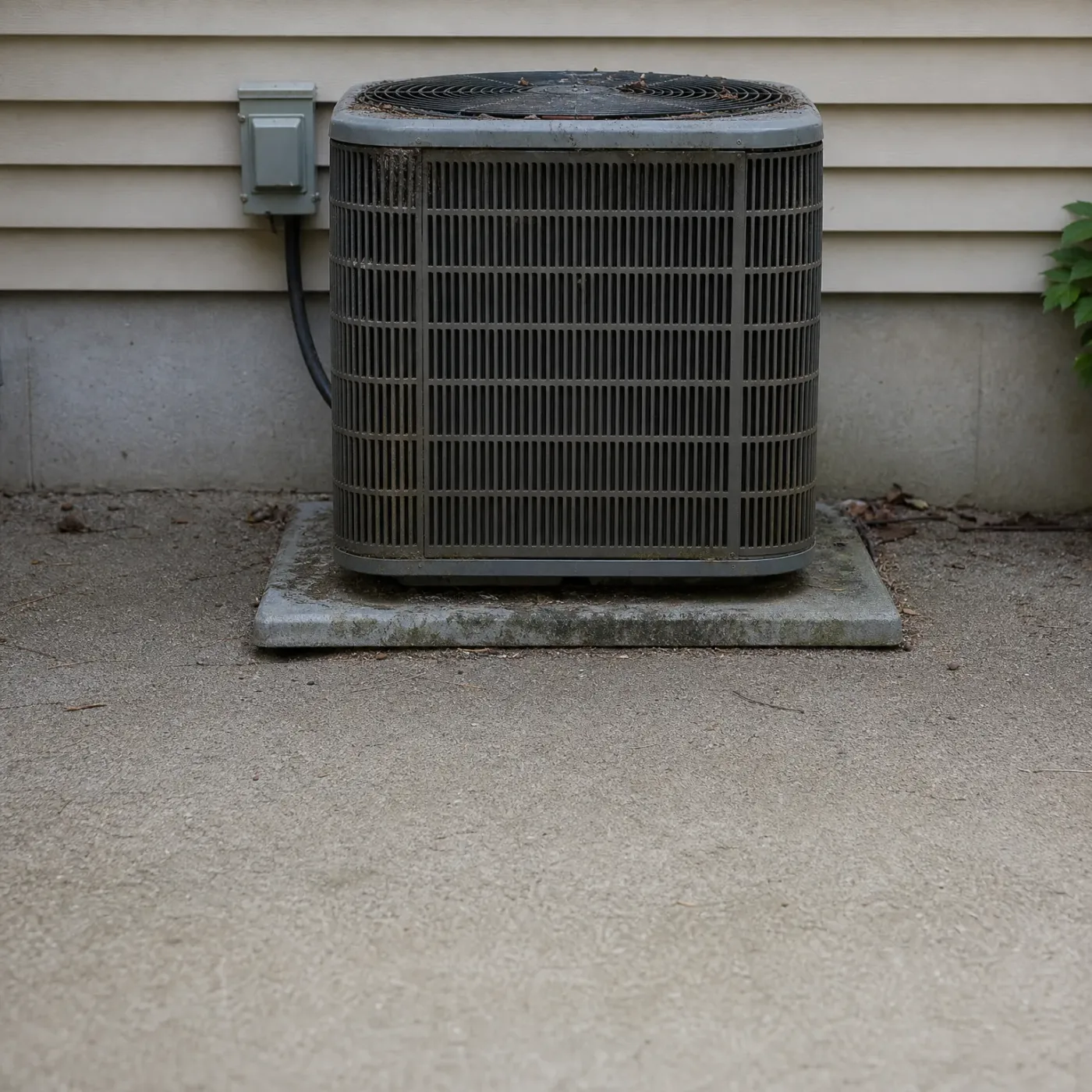

A gray outdoor heat pump unit on a concrete pad beside a dark horizontal-siding wall, with a small electrical box on the wall, shrubs and a concrete walkway to the right at dusk.

The right pro for this job

Why your heat pump bill jumps in a Minnesota winter

Below zero, a heat pump has to work harder to pull heat out of the outside air, and your bill shows it. This page gets into what actually drives that jump and whether your system is running the way it should. If something seems off, you can get matched with a contractor who'll look at your specific setup.

Find a heat pump pro

Your heat pump's bill climbs in a Minnesota winter because the colder the air outside, the harder the system has to work to pull heat from it. Above freezing, a heat pump moves heat efficiently. Once temperatures drop into the teens and below, which happens for stretches all winter here, it has to run longer and lean more on backup electric heat strips to keep the house warm. Those strips use a lot more power than the heat pump itself. Frost buildup on the outdoor unit adds to this. The system has to pause and run a defrost cycle to clear it, then it uses extra energy getting back up to temperature. None of this means something is wrong. But if the bill jump feels bigger than it should, or the system seems to be running the strips more than it should, that is worth having a look at before it gets to be a habit all winter.

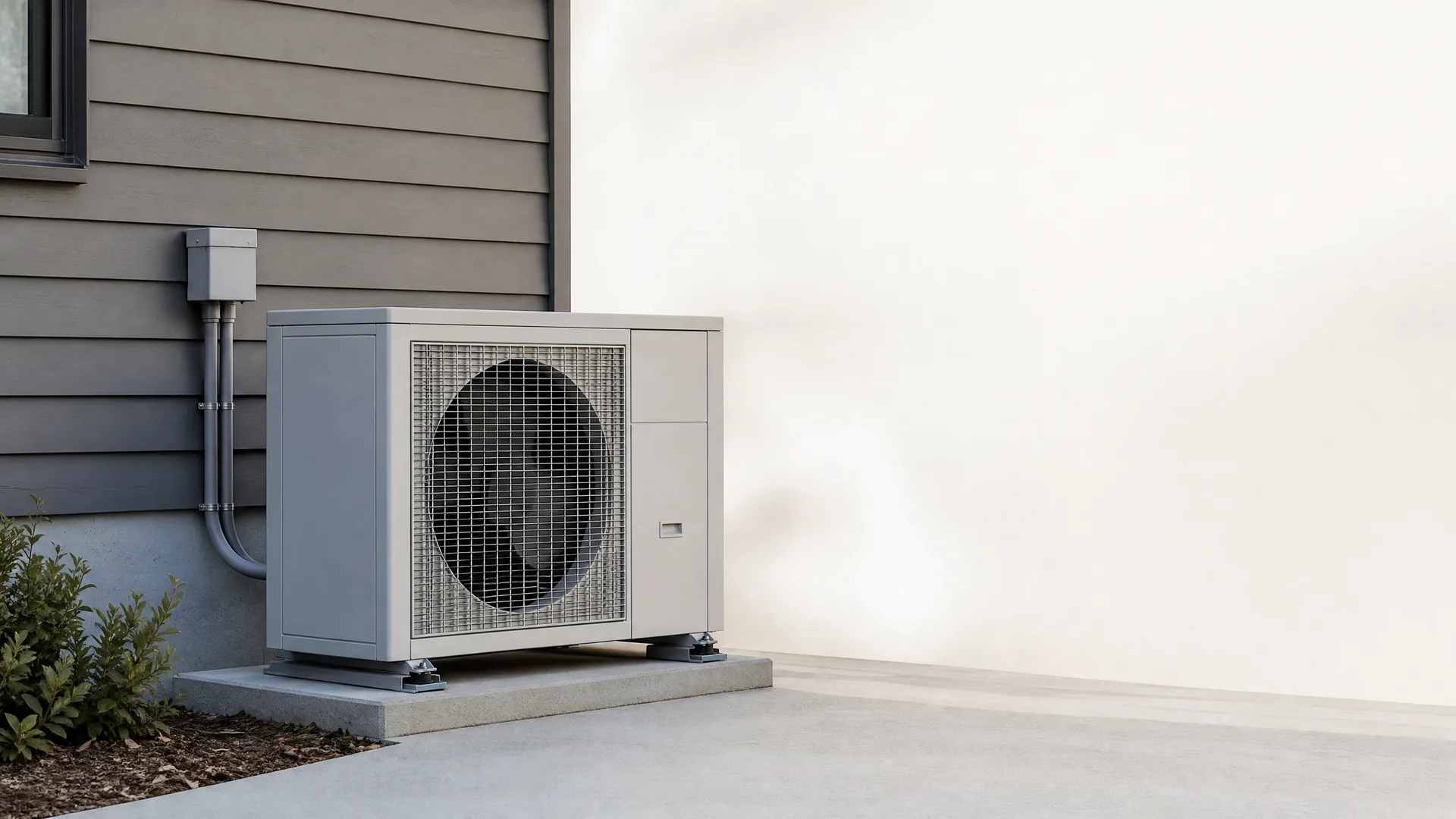
A gray outdoor heat pump unit on a concrete pad beside a house with gray horizontal siding, with conduit and an electrical box on the wall and a shrub at left.

What the backup heat does

Most heat pumps in Minnesota have electric resistance strips or a furnace backup for when the outdoor air gets too cold to pull much heat from. Below the teens, your system leans on that backup more and more. Electric strips draw a lot of power to make heat this way, and that's what pushes the bill up fast. A furnace backup burns gas instead, so the jump shows up on a different bill. Either way, the heat pump isn't the only thing running anymore.

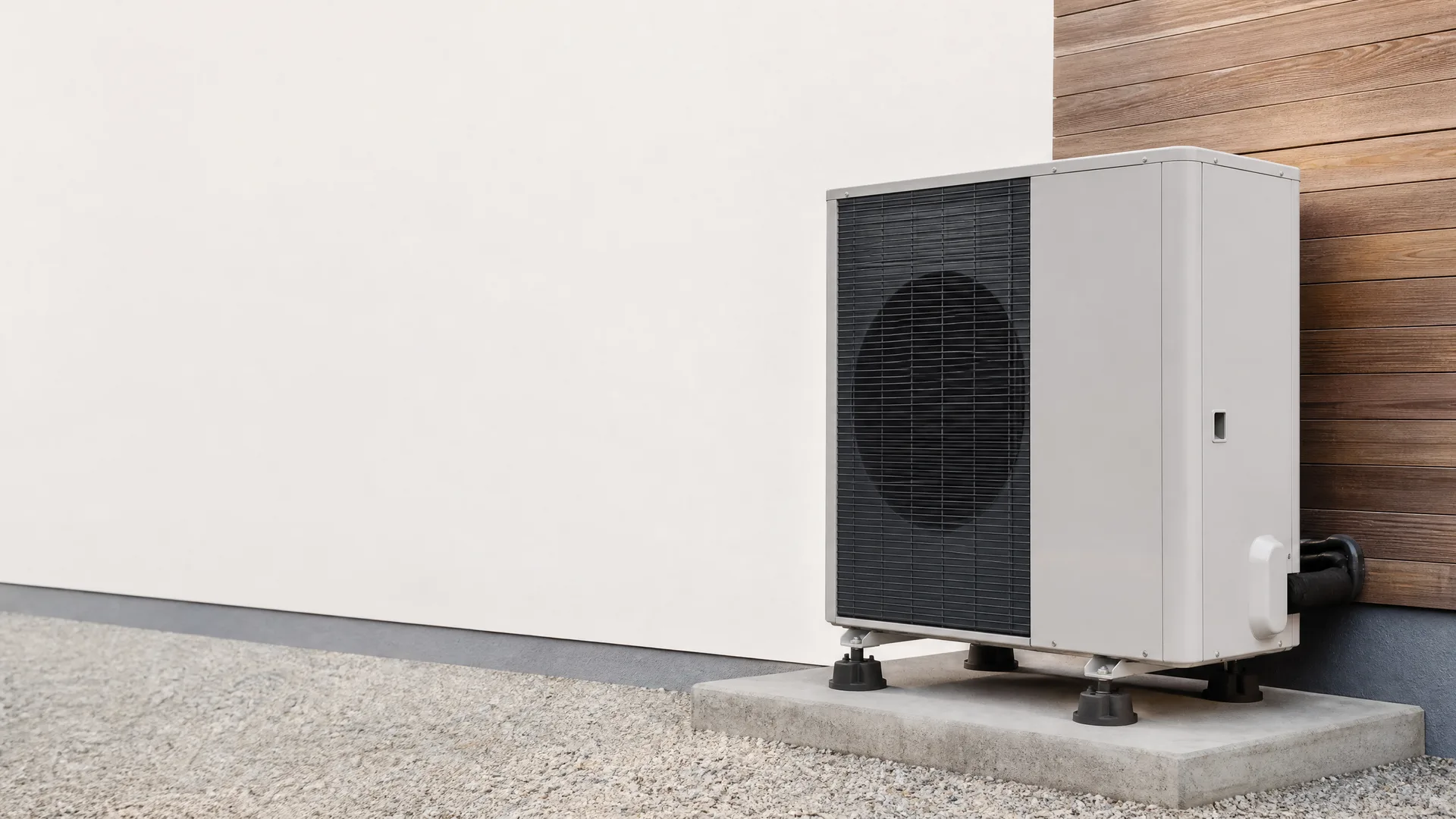
An outdoor air-source heat pump unit with a dark grille stands on a concrete pad beside a white wall and wood-clad facade, surrounded by gravel.

Check the defrost cycle

Cold, damp air makes frost build up on the outdoor unit, so the system has to pause and run a defrost cycle to melt it off. That's normal. What isn't normal is defrosting every few minutes or running long defrost cycles over and over. If you notice the outdoor unit icing up heavily or the system cycling more than usual, the defrost sensor or control board may not be reading the coil right, and that drives up runtime without adding any heat to your house.

Is Your Heat Pump Working Right

Running fine

  • The outdoor unit frosts up on cold mornings and clears itself a few times a day without you doing anything.
  • The backup heat kicks in during the coldest stretches, then drops off again once temperatures climb back into the 20s.
  • Airflow out of every vent feels steady and warm enough to notice, even if it's not as hot as a furnace would push.
  • The thermostat holds the set temperature within a degree or two without the system running nonstop to get there.
  • Your bill is higher than October or November, but it tracks with how cold the month actually was.

Needs a look

  • Ice builds up on the outdoor unit and stays there instead of melting off during the defrost cycle.
  • The system runs constantly, day and night, and the house still doesn't feel warm.
  • You hear the backup heat running far more than the outdoor temperature alone would explain.
  • One or two rooms stay noticeably colder than the rest of the house no matter how long the system runs.
  • The bill jumped well beyond what the cold snap accounts for, even compared to a similar week last winter.
  • Short cycling, where the system shuts off and restarts every few minutes instead of running a full cycle.
A woman in a cream cowl-neck sweater stands in a lamp-lit room looking out a window at a snow-covered yard with shrubs and bare trees at dusk.
A woman in a gray turtleneck sweater stands near a large window in a lamp-lit living room, looking out at falling snow and snow-covered conifers.
A woman in a chunky knit sweater stands by a large window looking out at snow-covered ground, with a dimly lit living room containing a gray sofa, framed artwork, shelves and table lamps behind her.
A woman in a gray turtleneck sweater stands in a dimly lit living room with a lamp and bookshelves, looking out a multi-pane window at falling snow.
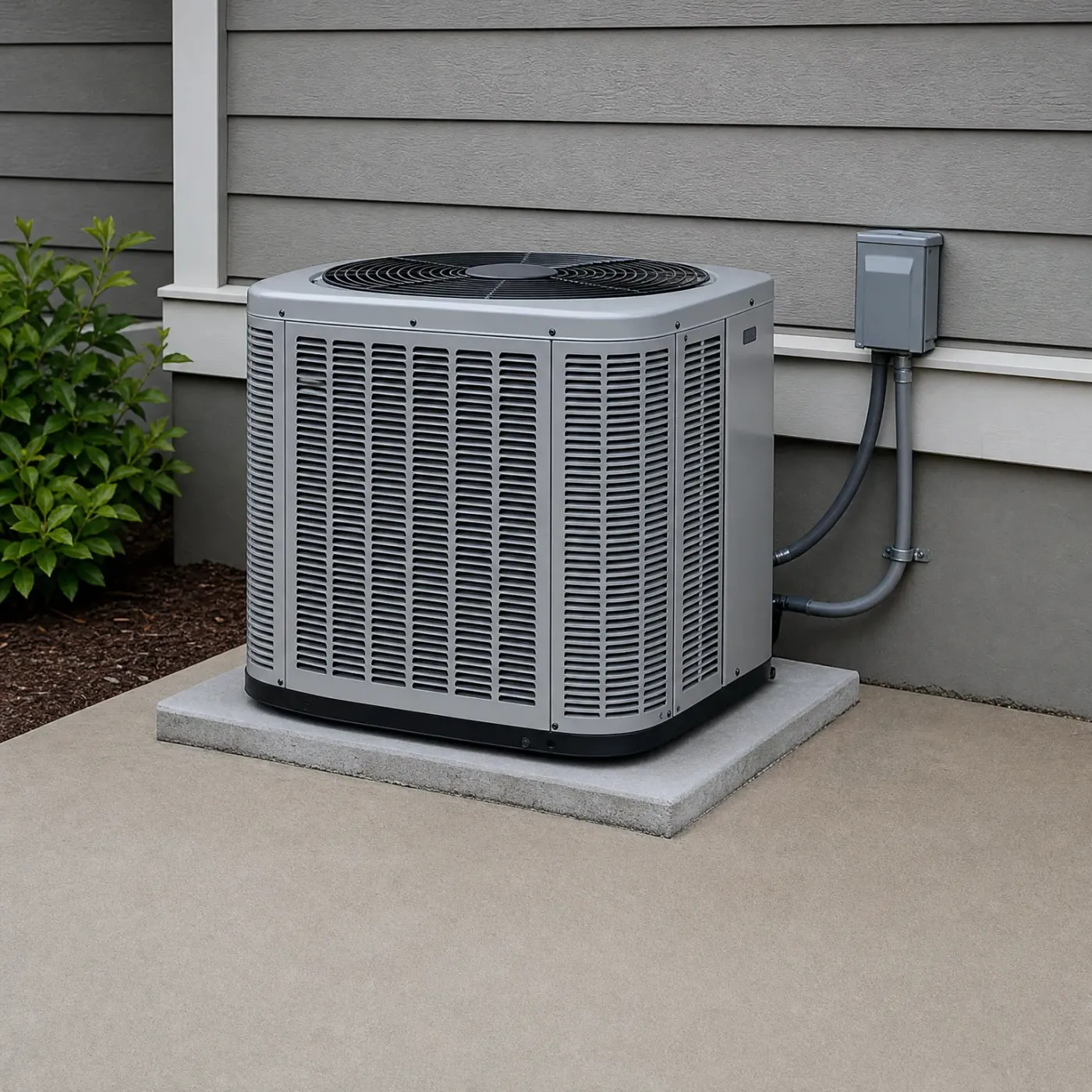
A gray outdoor condenser unit on a concrete pad beside a house with gray lap siding, connected by conduit and refrigerant lines to a wall-mounted disconnect box, with a green shrub and mulch bed at left.
A heat pump that defrosts a few times a day and goes back to quiet, steady running is pulling heat from the air the way it's supposed to.
An outdoor air conditioning or heat pump condenser unit on a concrete pad beside a house with horizontal vinyl siding, a gray electrical disconnect box and conduit on the wall, and a concrete walkway in the foreground.
A coil caked with ice or dirt can't give up its frost easily, so the unit defrosts more often and leans harder on backup heat to keep up.
A single-story gray horizontal-siding house with multiple front-facing gables, white-trimmed windows, a dark front door, and a concrete walkway crossing a partly dry lawn under a clear blue sky.

Minnesota summers don't carry the thick, sticky air you'd get further south. The dew point averages just 59°F across June, July and August, according to NOAA climate data. That's dry enough that your heat pump isn't working hard to pull moisture out of the air when it's cooling your home. Winter is a different story entirely, and it's where the strain shows up. Mild, dry summers mean a heat pump here doesn't take a beating from June through August, which is part of why winter performance matters so much. If yours is pulling more than it should once the cold sets in, a contractor who knows how these systems run in Minnesota winters can look at what's actually happening with it.

NASA POWER T2MDEW county cells weighted by homes

Matched to your heat pump job

Send the request today and stop worrying about who to call.

No fee to send it, and nothing to sign.

If your heat pump is running longer hours and leaning on backup heat more than it used to, the cause is usually something that's making the system work harder than the weather alone requires.

A dirty outdoor coil, a low refrigerant charge, or a defrost cycle that isn't clearing the ice all push more of your heating load onto the backup strips, and that's where the bill jump comes from.

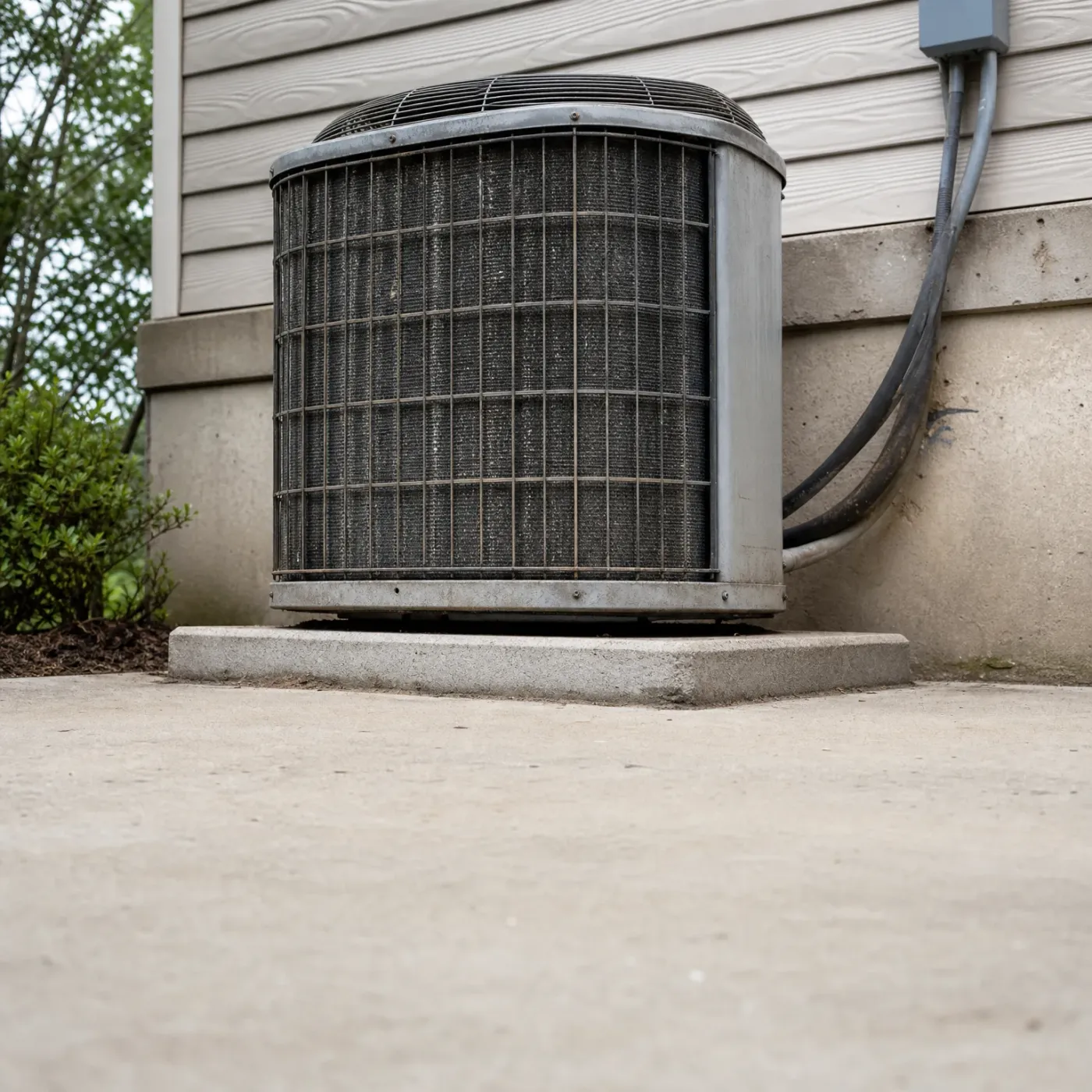
An outdoor air conditioning condenser unit on a concrete pad beside a house with horizontal siding and a concrete foundation, with refrigerant lines running to a wall-mounted disconnect box and shrubs at left.
Before you get your heat pump repair
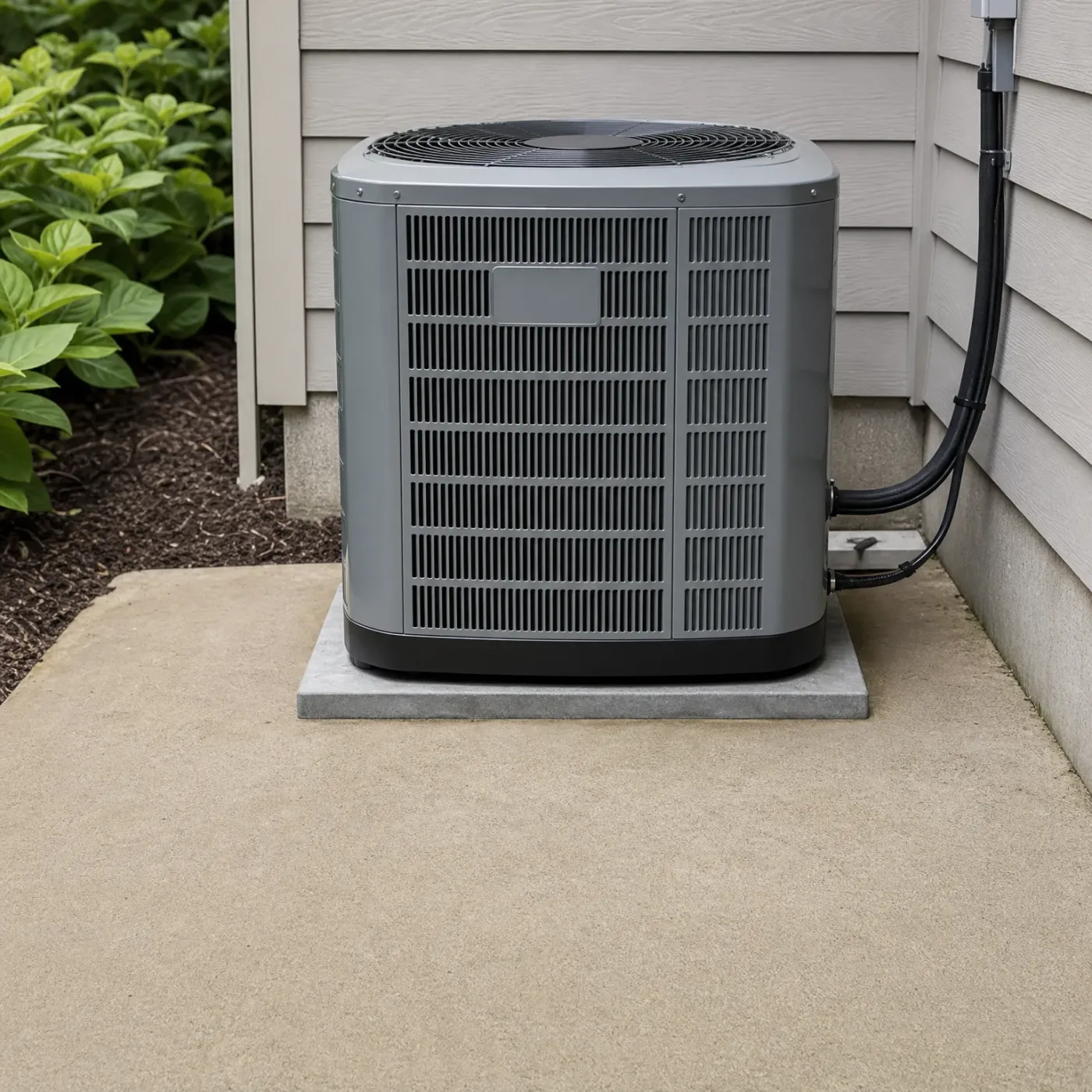
A gray outdoor air conditioner or heat pump unit on a concrete pad beside a house with horizontal lap siding, with conduit and refrigerant lines running up the wall and green shrubs and mulch at left.
After you get your heat pump repair

Heat pump running alone

Down near zero, a heat pump working by itself has to run long stretches to pull any heat out of that cold outside air. It can still do it, but the compressor runs close to nonstop, and the output at the vents feels cooler than what you're used to. Left alone through a long cold snap, this is the setup that drives the bill up the most, because the system is doing all the work with the least efficient tool it has for air that cold.


Backup heat taking over

Once the backup kicks in, whether it's electric strips or a furnace, the house heats up faster and the air at the vents runs warmer. That backup isn't pulling heat from outside air, it's making heat directly, and electric strips in particular use a lot of power to do it. A system that leans on backup through most of a cold stretch will cost more to run than one that's only using it for the coldest hours, even though the house feels warmer faster.

Power costs 15.83 cents per kilowatt-hour statewide

At 15.83 cents per kilowatt-hour, every extra hour your compressor runs, and every hour the backup heat kicks in, lands straight on your bill. Power here isn't cheap or especially costly, so a jump usually means your system is working harder, not that rates moved.

EIA-861 2025 statewide residential average

A bearded man in a plaid flannel shirt stands indoors looking out a frost-covered window, with a steaming dark blue mug on the wooden sill and snow-covered trees outside.
A smiling man in a dark blue T-shirt sits on a light gray sofa in a living room with a wooden shelf and window behind him, with a laptop edge visible in the foreground.
A woman in a cream sweater and jeans stands in the open doorway of a white stucco house, holding the dark door, while a man in a dark quilted jacket seen from behind walks toward the entry past potted plants.

A bill that jumps is information, not just an expense

Cold air makes any heat pump work harder, and that alone will push your bill up some every winter. The difference between a normal jump and a problem is how much backup heat kicks in and how often the outdoor unit struggles to clear its frost. A system that's healthy runs long hours in January and still comes back to quiet, steady operation once the cold snap breaks.

If your bill has climbed more than the weather explains, or the backup heat seems to run constantly instead of just on the coldest days, that's worth having someone look at before another month goes by. You can get matched with a contractor who knows Minnesota heat pumps and have them reach out to go over what's actually happening with your system.

Interior corner with a beige sofa holding a dark green and a light cushion and a textured throw, a potted small-leaved tree beside a white-framed window, and a dark shallow bowl on a wooden coffee table in the foreground.
A single-story stucco house at dusk with a lit paver walkway lined by low path lights, desert plants and boulders in front, and distant mountains under an orange and blue sky.

Heat Pump Repair

A heat pump pro near you

Step 1 of 3: Equipment
  • A ceramic vase holding leafy green branches and a shallow wooden bowl sit on a wooden window ledge beside a sunlit window, with a cream upholstered chair and knit throw in the foreground.
    • Describe your heat pump job, and a local pro who handles it gets in touch.
    • Say what's going on with your heat pump, and a pro who works on them reaches out.
  • Sunlit living room corner with a beige upholstered sofa, a round wooden side table holding a ceramic vase of olive branches, linen curtains at a window, a floor vent in the baseboard, and a woven jute rug on hardwood flooring.
    • One request and the search for a pro is handled.
    • Send it once and finding someone is no longer on you.
  • A wooden side table with a single drawer holds a shallow carved wood bowl and a white ceramic vase of green eucalyptus stems, beside a window and an upholstered chair draped with a cream knit throw.
    • Explain the job once and skip repeating it on every call.
    • Skip searching for a heat pump pro and answer a few questions instead.
  • Corner of a house with horizontal siding, a white-framed window and stone veneer base, beside a covered entry with wooden steps, a potted plant, mulched beds of green shrubs and a flagstone path.
    • Your request stays with one local pro.
    • Your request goes to one pro, not a list of companies.