
Running a normal cycle
A heat pump that's fine runs for a stretch, satisfies the thermostat, and shuts off clean. The outdoor unit hums along, the fan turns steady, and the defrost cycle clears whatever frost built up overnight.
A heat pump that keeps shutting off and starting back up within a few minutes is usually fighting ice. In Minnesota winters, frost builds on the outdoor coil faster than the defrost cycle can clear it, especially on the coldest days when the unit runs long and hard. If the defrost board or sensor isn't telling the system to switch over and melt that ice, the unit senses it's struggling and shuts down early, then kicks back on once it cools, over and over. A low refrigerant charge or a dirty outdoor coil does the same thing: the system can't move enough heat, trips a safety switch, and cycles short. Oversized units short cycle too, satisfying the thermostat too fast no matter the season. Short cycling wears the compressor down faster each time it happens, and your heating bill climbs even as the house stays cold. Left alone, it gets worse, not better.
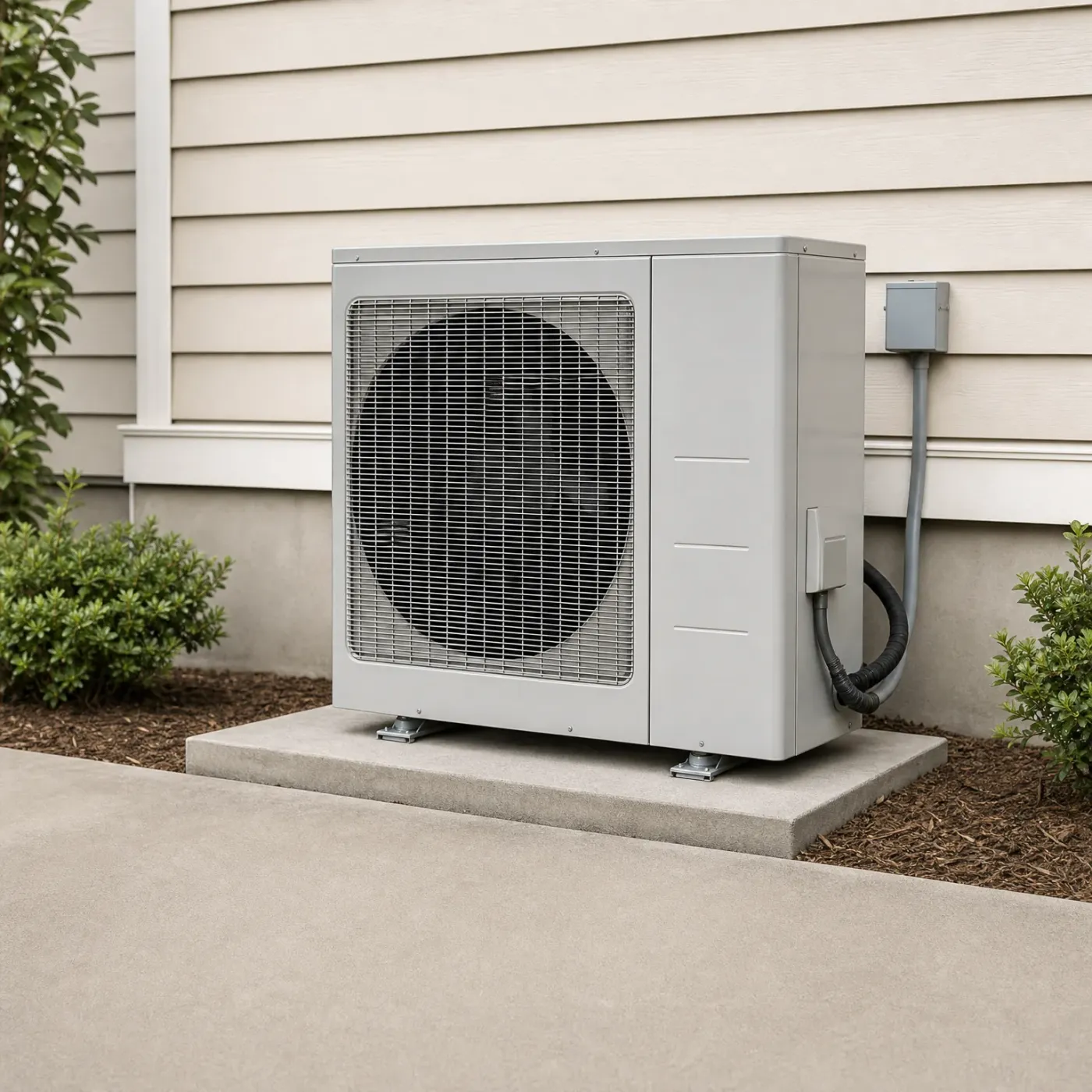
A heat pump that's fine runs for a stretch, satisfies the thermostat, and shuts off clean. The outdoor unit hums along, the fan turns steady, and the defrost cycle clears whatever frost built up overnight.
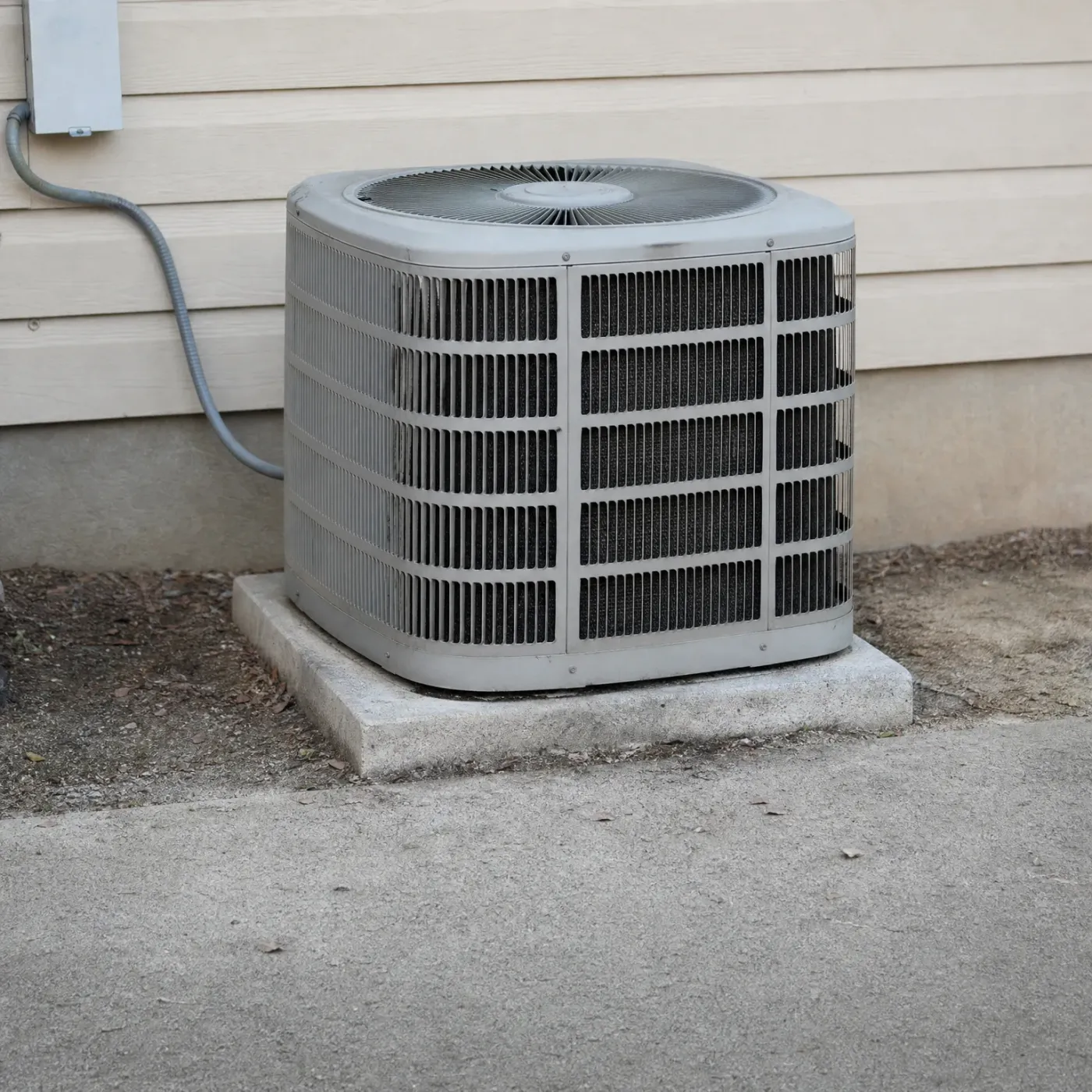
If yours kicks off after a few minutes and fires back up soon after, something is cutting the cycle short. On a cold Minnesota night that pattern repeats for hours, and the coil can ice over faster than it clears.
You notice it most at the thermostat. The number never settles. The system kicks on, runs a couple minutes, and quits, then starts again a few minutes later. Outside, the unit might be caked in ice on the coil, not just a light frost. Inside, the air coming from the vents feels lukewarm instead of warm, or the backup heat kicks in more than it should. Some rooms stay cold no matter how often the system cycles. Left alone, this wears on the compressor, and your gas backup ends up carrying more of the load than it's supposed to, which shows up on the bill before anything else does.
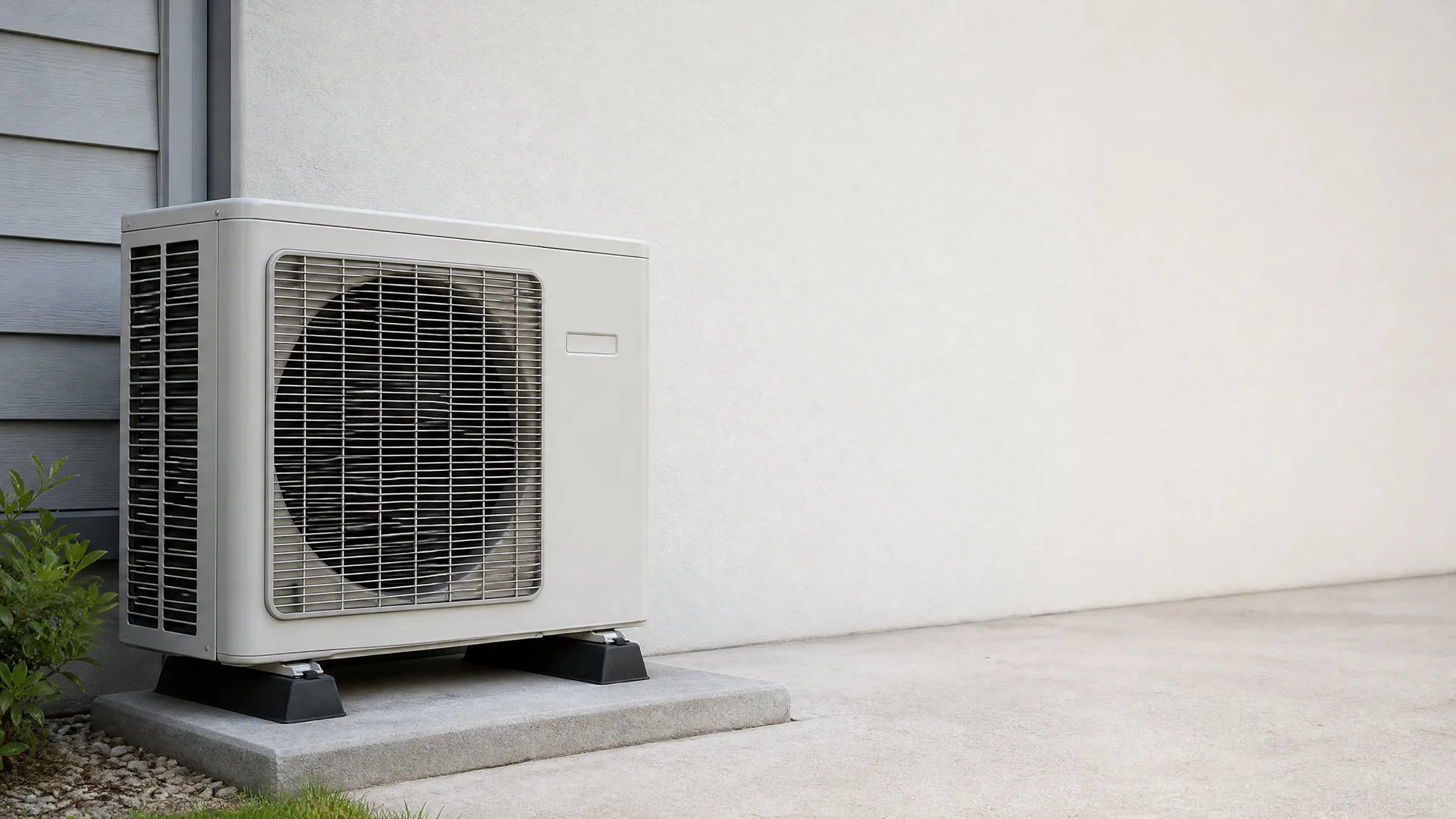
A heat pump pulls heat from outside air even when it's below freezing, and that moisture in the air turns to frost on the outdoor coil. The defrost cycle is supposed to reverse briefly, melt that frost, then switch back. When outdoor temperatures drop hard, as they do across a Minnesota winter, the coil frosts faster than the cycle runs, and the unit senses it can't keep up. Shutting off is the system protecting itself from icing over completely.
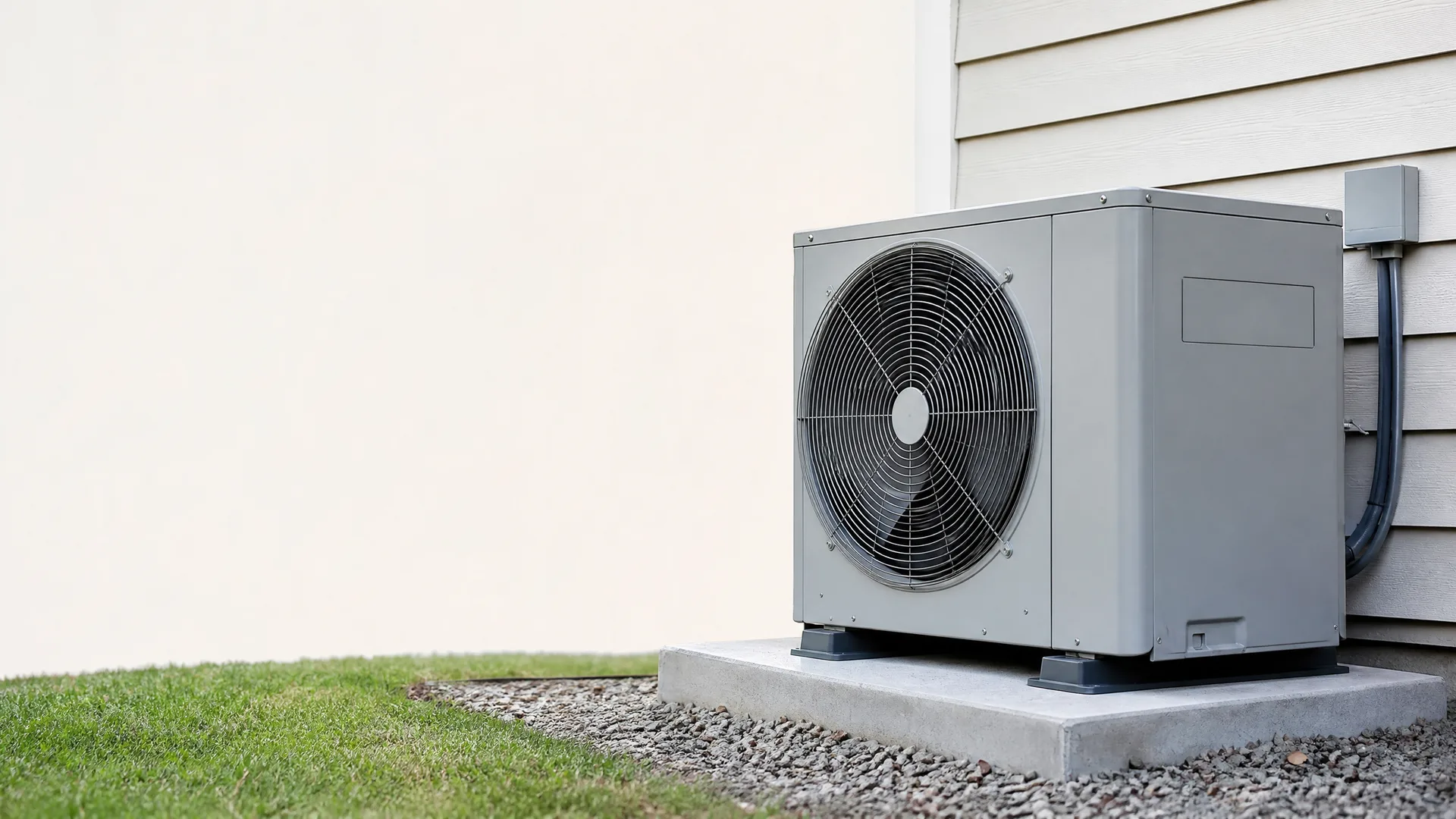
Some short cycling has nothing to do with real ice. A defrost sensor or control board can misread the coil temperature and call for defrost when there's barely any frost at all, or fail to end the cycle when the coil is already clear. Either way the unit starts treating a normal cold morning like an emergency, kicking the compressor on and off far more than the weather actually calls for. That's a part problem, not a weather problem, and it won't sort itself out as the temperature changes.
What's actually causing my heat pump to short cycle?
Short cycling has a handful of real causes, and ice on the coil is just the most common one in a Minnesota winter. A frozen or failing defrost sensor can tell the control board the coil is clear when it isn't, so the unit shuts down before the frost actually melts. A clogged filter or blocked return cuts the airflow the system needs to run a full cycle. Low refrigerant from a slow leak makes the unit work harder and trip its own safety switch early. Each of these makes the thermostat call for heat again within minutes, and the pattern repeats until a contractor finds which one it is.




A heat pump that short cycles all winter is working harder than it should and still not holding the house at temperature. Every restart puts a load on the compressor, and a compressor doing that for weeks on a cold Minnesota stretch is the part most likely to fail outright if nothing gets fixed. Figuring out whether it's a frozen sensor, a dirty filter, or a refrigerant leak means someone has to actually look at the unit, not guess from the thermostat's behavior. Left alone, you're the one checking the thermostat every twenty minutes, wondering if it's finally warm enough, and that's not a way to get through January. Finding a contractor on your own means searching, calling a few, explaining the short cycling each time, then weighing quotes against each other while the system keeps doing it. Send the request once and that work is off your plate. What's left is getting the unit looked at and fixed before it runs the compressor into the ground.
You let this ride. The heat pump keeps short cycling, the compressor keeps slamming back on every few minutes, and you figure it'll sort itself out once the weather breaks or the defrost cycle catches up on its own.
It doesn't catch up. Ice that outruns the defrost cycle once will outrun it again the next cold night, and a compressor that's been restarting all week is closer to failing than it was a week ago. Getting someone out now is less work than getting someone out after it quits.


You find a few numbers, explain the short cycling to each one, wait for a callback, and compare what they quote before anyone shows up at your door.
One form, and finding a contractor who can look at the compressor and the defrost cycle stops being something you have to chase down yourself.

You feel it in the rooms. The thermostat says 68 but the air coming out of the vents is lukewarm, because the system never runs long enough to actually heat before it quits again. Upstairs stays colder than downstairs. The backup heat kicks in more than it should, and on a gas furnace paired with the heat pump, that means the furnace is doing work the heat pump was supposed to share. Your gas bill carries a load it wasn't built to carry alone.
Left alone, this doesn't stay small. A compressor that short cycles through a Minnesota winter is taking stress it wasn't designed for, restart after restart, and a dealing-with-small-problems-early habit is exactly what keeps that stress from becoming a failed compressor in February. You don't have to spend an evening calling around, telling three different people the same thing about the ice on the coil and waiting on callbacks. Send this once, and the work of finding someone who knows what to check is off your plate.


Summers in Minnesota run mild, and the dew point averages 59°F across June, July and August, according to NOAA climate data. That's dry air by most standards, which means your heat pump isn't straining through a long, muggy cooling season the way units do further south. Short cycling here isn't a summer problem. It shows up in winter, when the outdoor coil is pulling heat from cold air instead of shedding humidity from it. The easy summers don't wear on the compressor. The hard winters do, and that's where the restarts pile up.
NASA POWER T2MDEW county cells weighted by homes
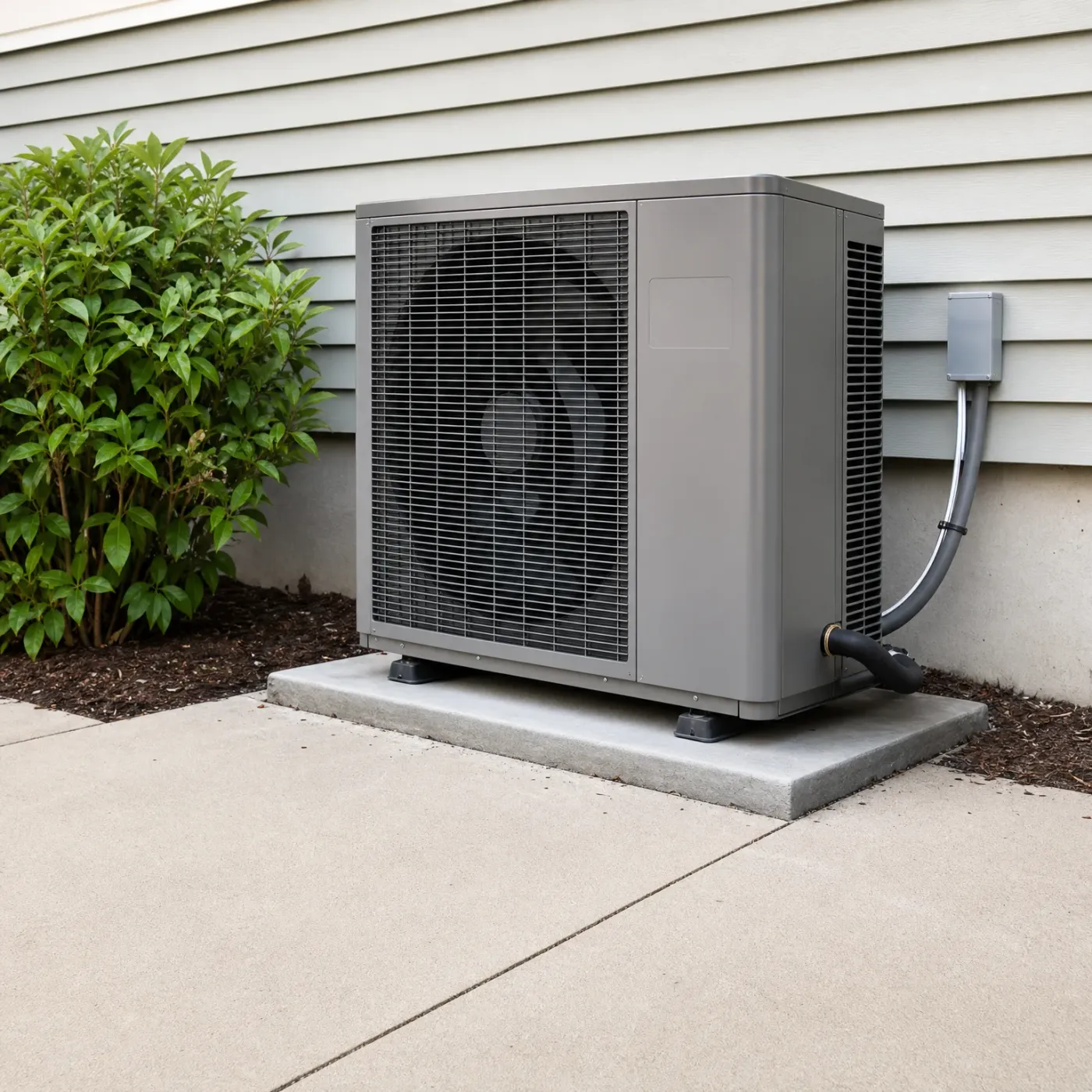
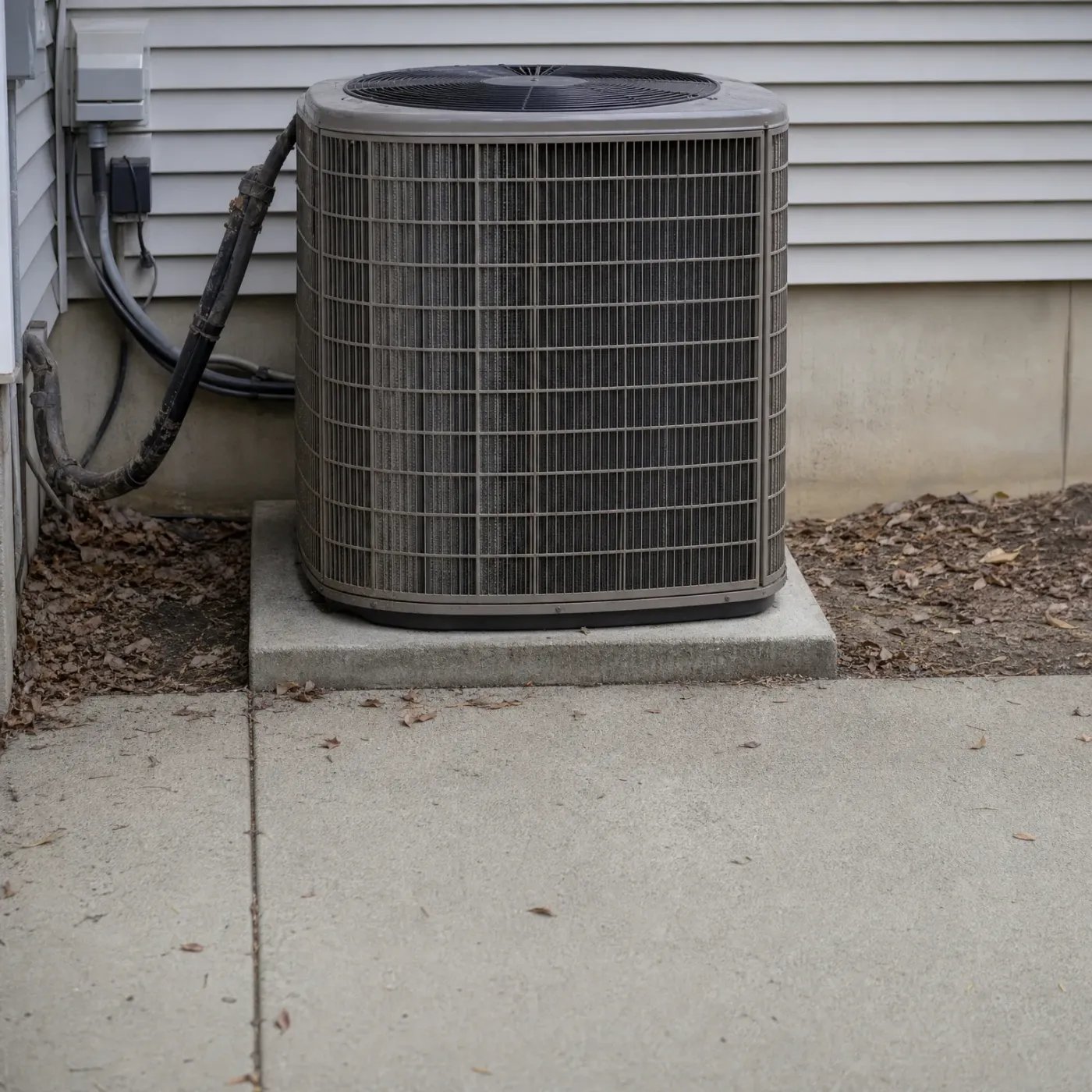
A compressor that short cycles all winter draws power every time it restarts, and at 15.83 cents per kilowatt-hour, those repeated starts add up faster than a heat pump running one steady, uninterrupted cycle. Your bill shows the strain even when the rooms don't feel warm.
EIA-861 2025 statewide residential average
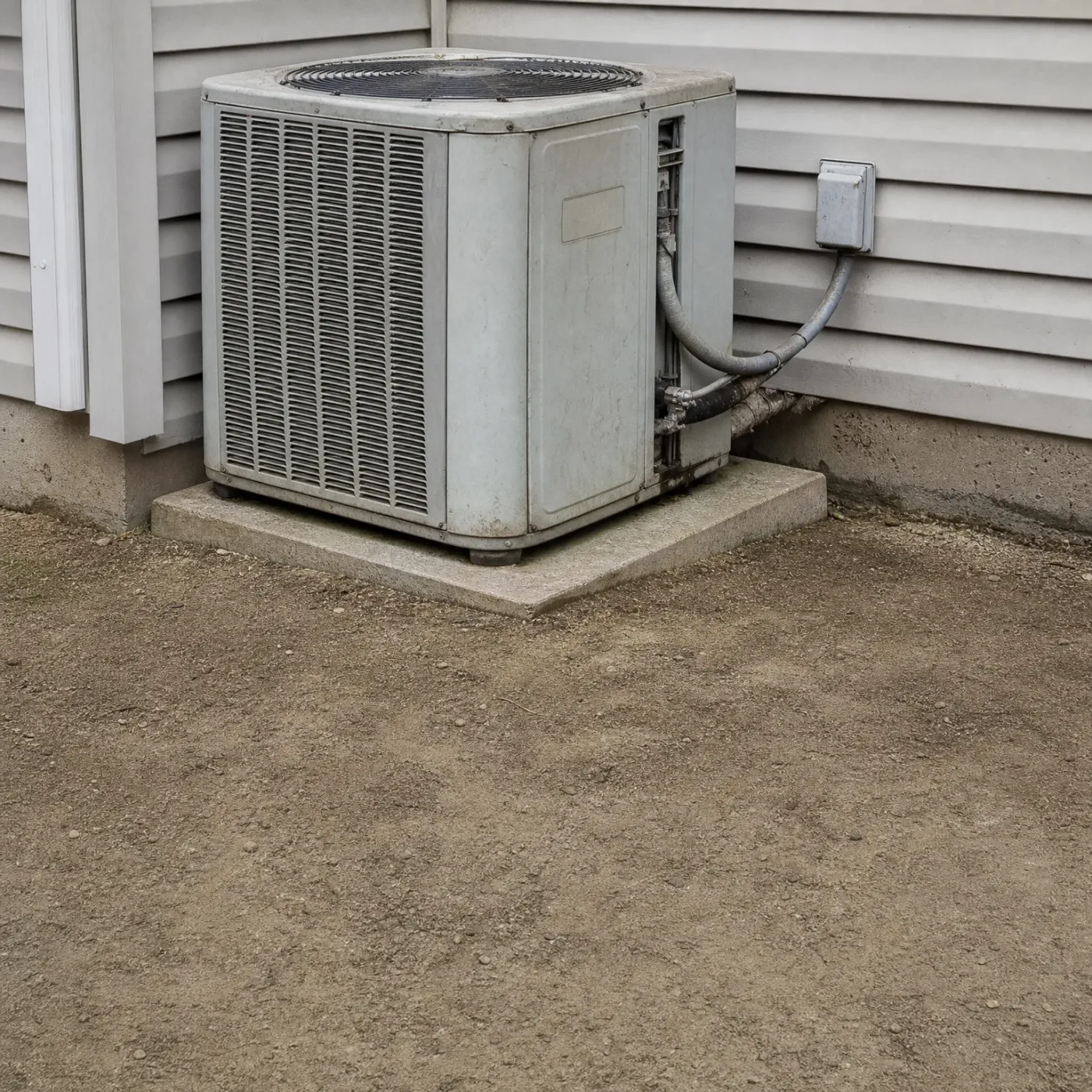
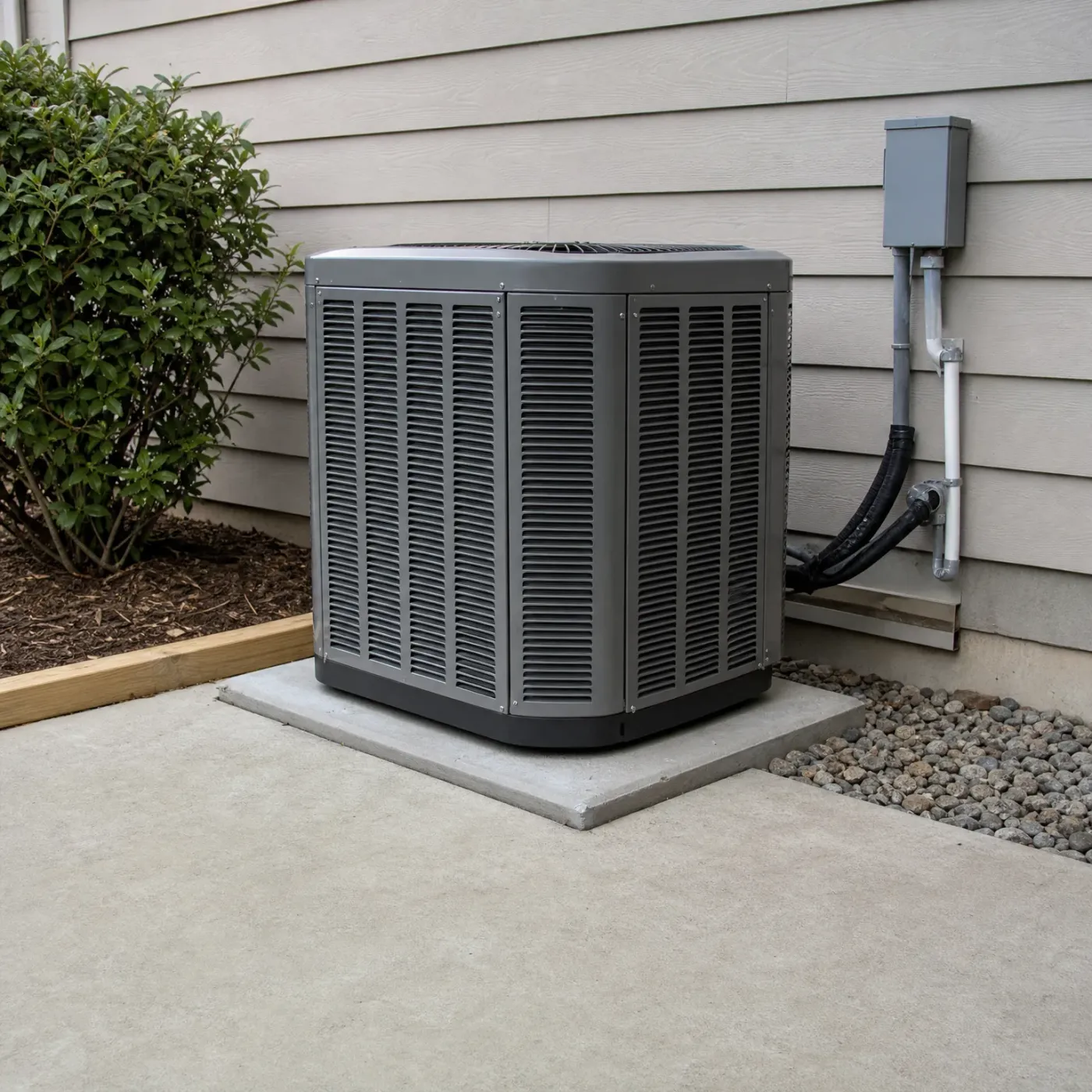
A heat pump that short cycles is telling you something specific is wrong, not that it's having a hard time with a Minnesota winter. Ice outrunning the defrost cycle, a frozen sensor, a dirty filter, low refrigerant. One of those is behind the restarts at your house, and none of them gets better with time. The unit will keep slamming the compressor on and off, the rooms will keep missing the temperature on the thermostat, and the only way past it is finding the actual part at fault.
That part is where the work usually stalls out. You'd be calling a handful of contractors, explaining the short cycling to each one from scratch, waiting to hear back, then weighing quotes against each other before anyone's even looked at the outdoor unit. That's hours spent before the diagnosis even starts, on top of whatever the repair itself takes.
Sending the form here skips that part. You're not vetting contractors or repeating the same explanation three times. One submission, and the job of finding someone qualified to look at your coil, your sensor, your refrigerant charge, stops being something you have to manage yourself. What's true about your heat pump doesn't change based on how you find the help. What changes is whether you spend the next few days chasing that help down or waiting for it to show up at your door.





Describe what your heat pump is doing once, in one form.
Asking costs nothing, and the choice to hire stays yours.