
Why your heat pump makes noise in a Minnesota winter
That rattling, popping, or whooshing sound is usually the heat pump doing exactly what it's built to do in a Minnesota winter. Cold outdoor air holds little heat, so the outdoor unit works harder and runs longer to pull what it can out of it. Below freezing, frost builds up on the outdoor coil, and the system runs a defrost cycle to melt it off, which can sound like hissing or a burst of noise as it briefly reverses and sends warm refrigerant through the outdoor coil. A loud whoosh during that cycle is normal. A grinding, squealing, or banging noise is not. That points to something mechanical, like a failing fan motor or a part that's worked loose, and it's worth having a contractor look at before it leaves you without heat on a night you need it most.

Frost builds on the outdoor coil as the unit runs long cycles
A sensor tells the system it's time to defrost the coil
The reversing valve shifts, and that's the loud whoosh or clunk you hear
The outdoor fan stops turning while the coil clears the frost
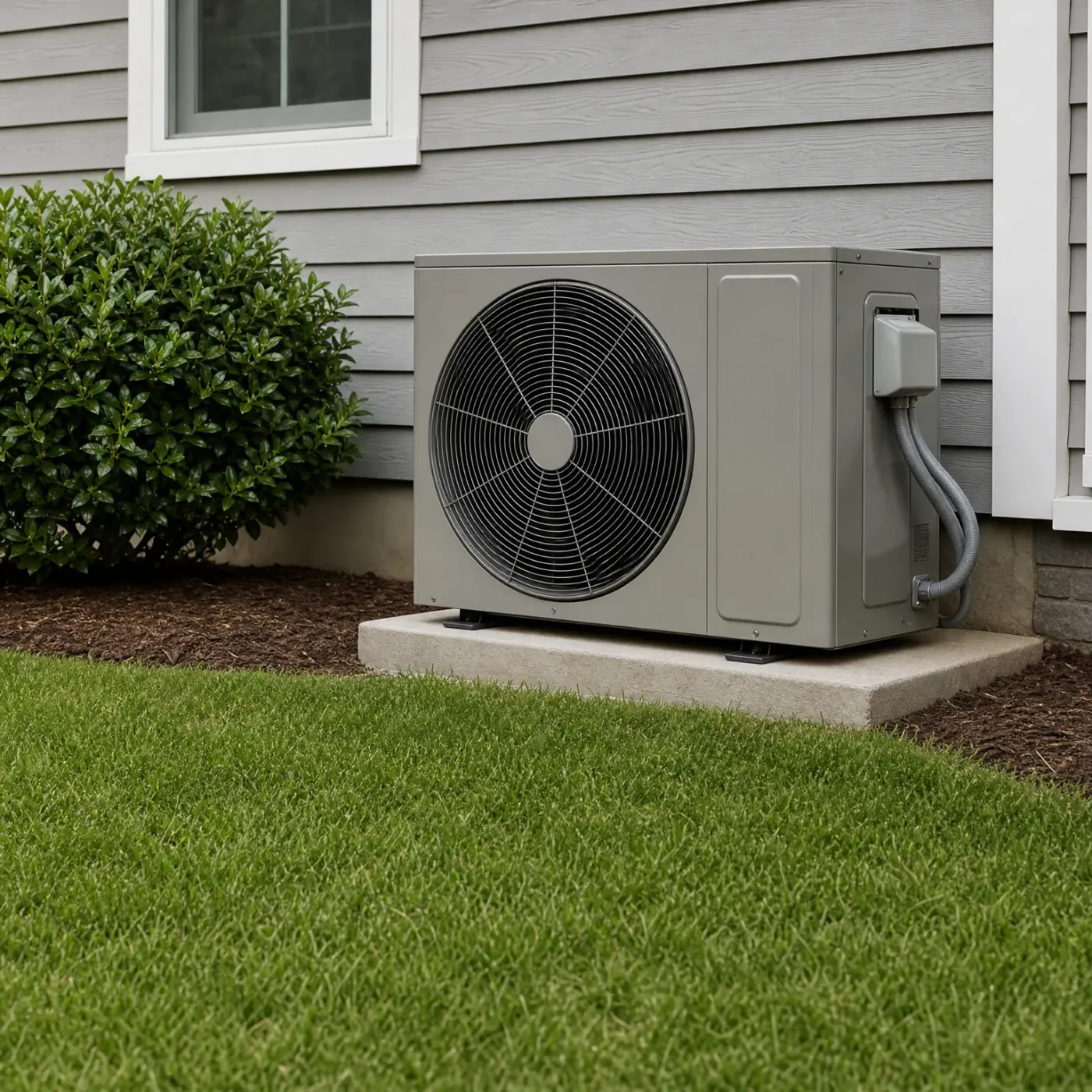
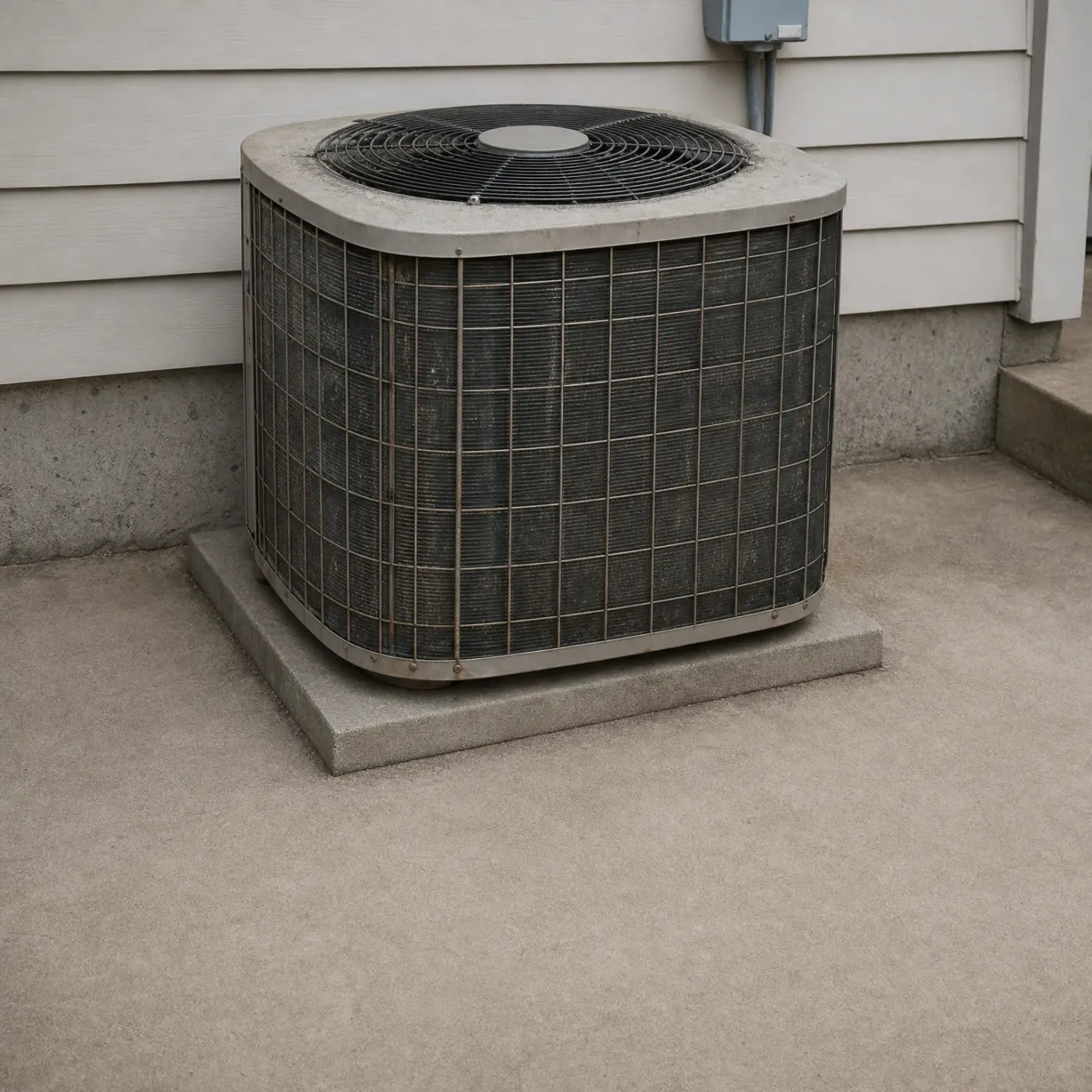
Most of what you hear in January is the heat pump keeping up with Minnesota cold the way it's designed to. But a few of these noises point to something worse, and the difference shows up in your house and your bill before it shows up as a breakdown. Long defrost cycles pull more power, and that cost adds up quietly over a stretch of cold weeks. If the warm air feels weaker or less frequent while the noise is happening, your house is losing ground on the nights it can least afford to. A coil that won't clear frost right pushes the compressor harder than it's built for, and that kind of strain cuts into how many winters it has left. Backup heat kicking in more often is the system asking for help it shouldn't need yet, and that's usually the line on your bill that jumps first. A grinding sound or a valve that's starting to stick is worth a call now, while it's still a small repair instead of a new outdoor unit in February.
What These Noises Cost You
- A unit stuck defrosting for long stretches is pulling more power to run those extra cycles, and that shows up on your bill.
- If the noise comes with warm air blowing less often, your house loses ground on the coldest nights while the system fights to keep up.
- A coil that can't shed frost properly forces the compressor to work past what it's built for, which shortens how long it lasts.
- Ignoring a grinding or metal-on-metal sound risks turning a minor fan or valve repair into a full outdoor unit replacement.
- A heat pump struggling in the cold often leans harder on backup heat, and that's the part of your bill that climbs fastest.
- Left alone, a failing reversing valve can leave you with a unit stuck in one mode during a stretch of single-digit nights.


What are you hearing out there right now
Walk outside and you'll probably hear it before you see it. A clunk when the system switches over, then a whoosh as it settles into defrost. Maybe a steady hiss while it runs. Inside, you might notice the air blowing from the vents feels cooler than usual, or it runs longer stretches without warming the room the way it did in fall. If the unit sounds like it's straining, cycling on and off more than it used to, or the noise has gotten sharper or louder over a few weeks, that's worth paying attention to. Left alone, a coil that can't defrost properly forces the system to work harder just to keep up, and on the coldest nights that's when you'll feel it inside the house.




Hand off the heat pump problem
A clunk at 2 a.m. in January is easy to lie awake over, wondering if the unit outside is failing or just doing its job. Most of the time it's the second one, but you shouldn't have to guess which, especially on a night when it's ten below and your house is counting on that system. A noise that's new, or louder than it used to be, or paired with weaker heat, is worth having someone look at before the next cold snap. The contractor who gets your request works on heat pumps through Minnesota winters every year and knows which sounds mean a frosted coil clearing itself and which mean a part that's wearing out. Your request goes to one contractor, local to you, so you're not fielding calls from a handful of companies while you're trying to figure out why your house sounds like it's working against you.

Minnesota summers don't carry the thick, sticky air some places do. Weather station data for Minnesota puts the average summer dew point at 59°F, which is on the comfortable side. That matters for your heat pump because it means the unit isn't working as hard in July as it is in January. A Minnesota winter asks more of this system than a Minnesota summer does. So if the noise you're hearing shows up in the cold months and the system ran quiet all summer, that's consistent with a unit that's simply under more strain pulling heat from freezing air, not one that's been struggling year round.
NASA POWER T2MDEW county cells weighted by homes
Why does my heat pump get louder the colder it gets outside?
Ten below is when the noise seems to get worse, and you notice it because you're already paying attention to the house at night. The sound isn't steady either. Some nights it's a low hiss, other nights it clunks and whooshes every twenty minutes. You want to know if the cold itself is the reason, or if something's wearing out.
Colder air forces the compressor to work harder, so the sounds it makes get louder with it
A heat pump pulls heat out of the outside air, and the colder that air gets, the less heat it holds. To make up for it, the compressor runs at a higher speed and for longer stretches, and a compressor working harder is simply louder. Frost also builds faster on the outdoor coil when it's colder, so the unit defrosts more often, which means more of those clunks and whooshes from the reversing valve. None of that points to a failing unit by itself. What's worth paying attention to is a sound that wasn't there last January, or one that keeps up well past when the frost should have cleared.
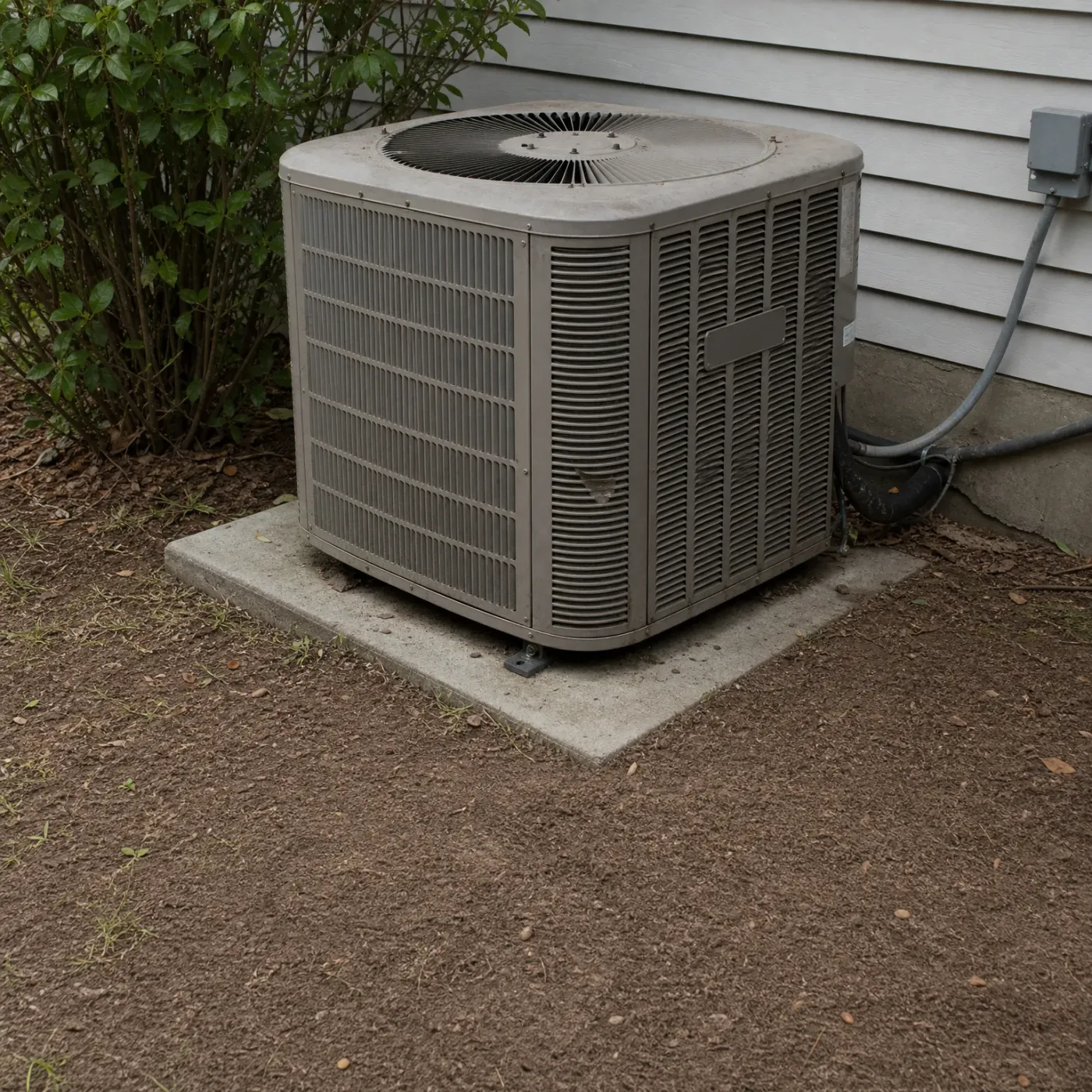
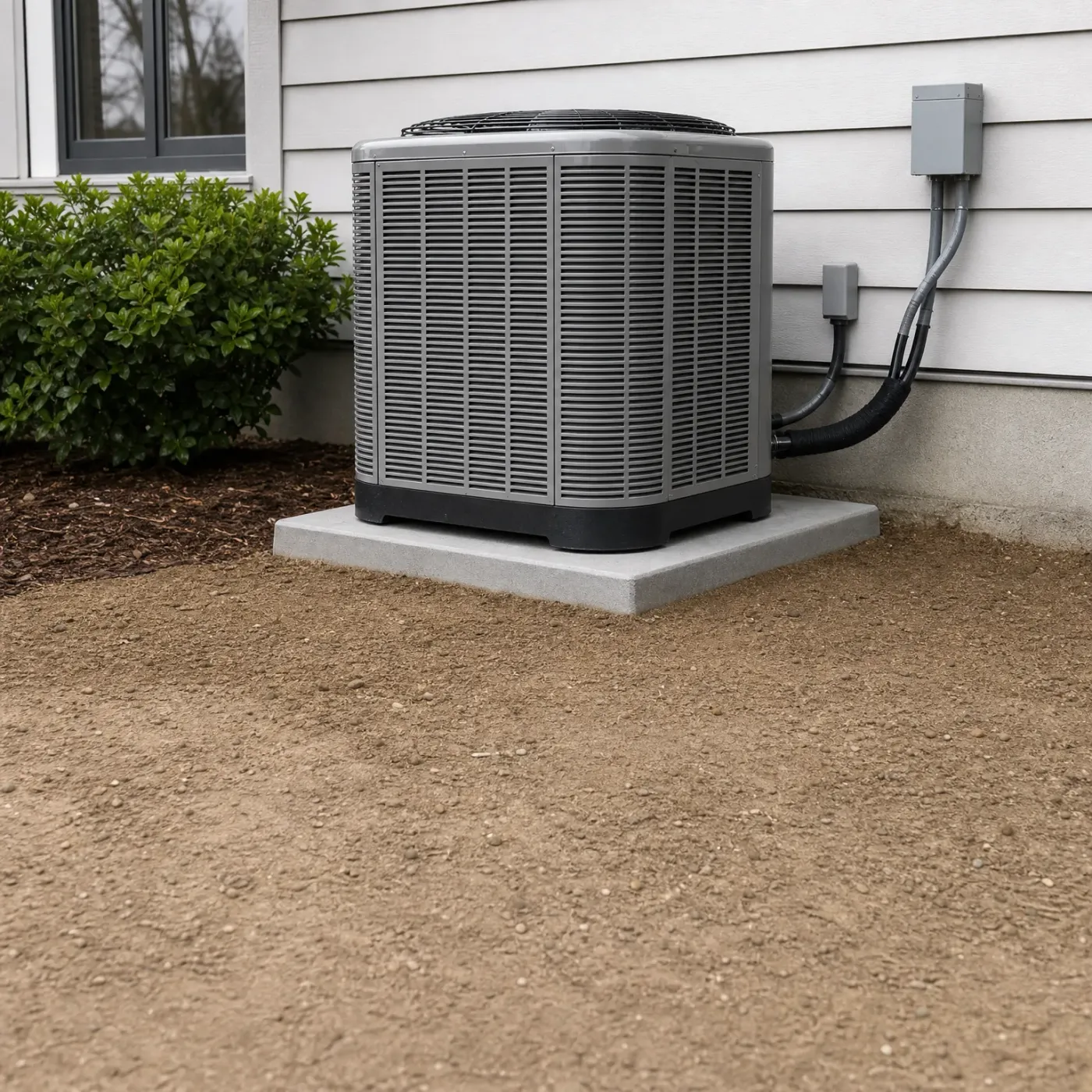
Power costs 15.83 cents per kilowatt-hour statewide
At 15.83 cents a kilowatt-hour, every extra defrost cycle shows up in real money, not just noise. A heat pump fighting frost buildup runs its compressor and fan longer to get the same heat into your house, and those extra hours on a cold night add up fast on the bill.
EIA-861 2025 statewide residential average
What that noise is telling you
- Most of the clunking and whooshing you hear is the defrost cycle doing its job, not a sign of failure.
- A coil that's caked with dust or sitting under ice longer than it should makes the noise worse and the cycles longer.
- Longer defrost cycles on the coldest nights mean higher power use and a house that loses ground on heat.
- A technician who services heat pumps through Minnesota winters every year knows which sounds are normal and which mean a part is wearing out.
- You're matched with one local, licensed contractor for your area, not a list of companies competing for the job.
- Once you know what the noise is telling you, the next step is getting the right person to look at the unit itself.
The sounds coming from the unit outside this winter are mostly the system doing what it's supposed to do. Cold air forces longer defrost cycles, and longer cycles mean more clunking, more whooshing, more time spent listening to it from inside. That's normal on a ten-below night. What isn't normal is a coil so caked with dust or ice that the unit can't clear itself in a few minutes and ends up running those cycles back to back. That's the version that costs you both comfort and money, since every extra hour the compressor and fan run to fight frost is an hour your house isn't gaining ground on heat.
Telling the two apart from inside the house is hard. It's easier for someone who's heard both, on this equipment, in this kind of cold, more winters than one. That's the person you get matched with here, someone local who works on heat pumps through Minnesota winters every year and knows the difference between a system clearing frost on schedule and one straining against a coil it can't clean itself. You're not handed off to whoever answers first. One contractor, licensed, familiar with the kind of cold that makes this noise worse in the first place, gets the call for your address. From there it's a matter of getting eyes on the unit itself, not guessing from the couch while it clunks through another cycle outside.





Send one request and you're done looking
The pro who reaches out is licensed in Minnesota.
No charge to send it. You decide if you hire them.