Tell us about the job
Takes about a minute. No obligation.
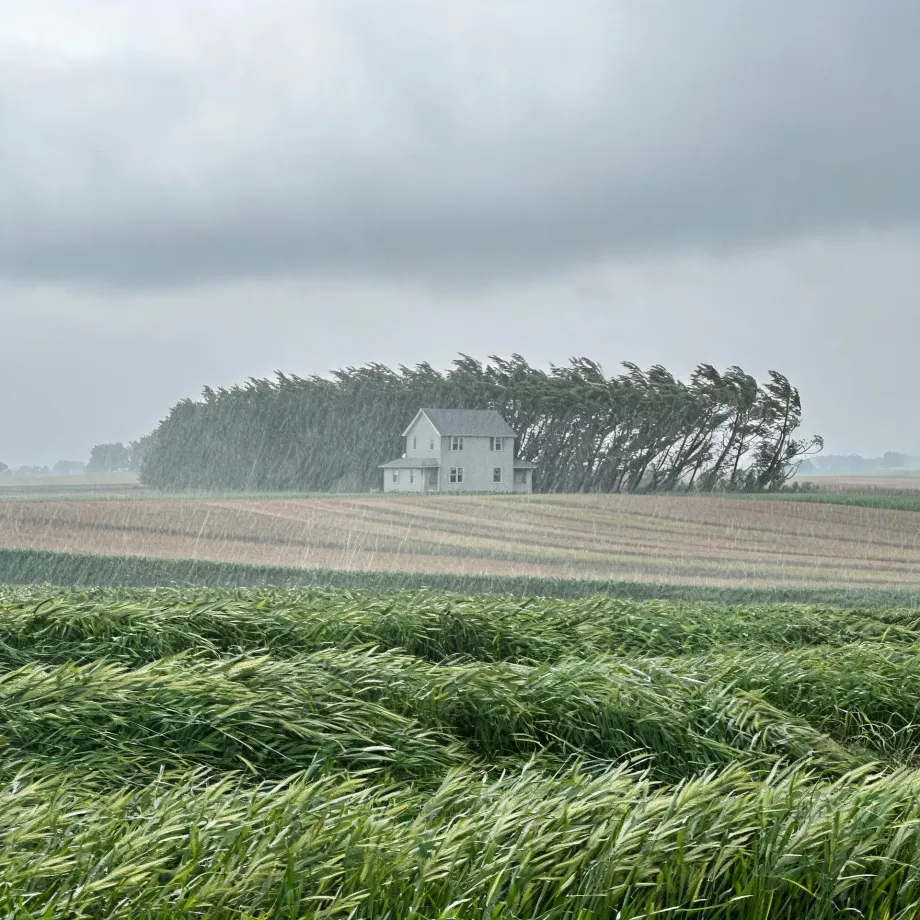
A contractor diagnosing a heat pump repair in Stevens County has to work out whether the failure came from the system or from what the area has thrown at it. 81 severe weather events were recorded in Stevens County, Minnesota between 2015 and 2024. Severe weather here is a recurring presence, not a rarity, and compressor wear, refrigerant stress, and contactor degradation all accumulate against that kind of operating history. Still, a load at that rate sits in a range where age and how well the original install was done tend to outweigh weather as explanations for what breaks. A contractor who skips past those factors and reaches for storm exposure as the cause is likely leaving the real problem unfixed.
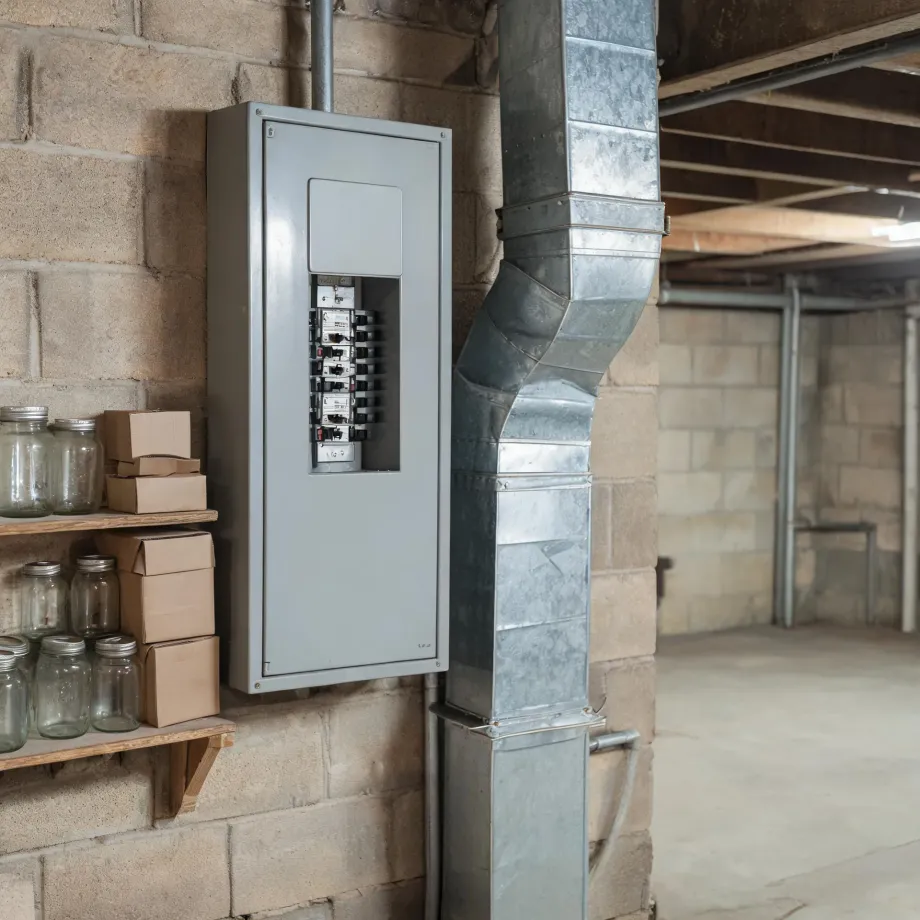
Ductwork in a house that spent most of its life without a heat pump was sized and routed for something else, and what the refrigerant lines and electrical connections look like once a contractor opens the system reflects that history. Half the homes in Stevens County, Minnesota were built in 1971 or earlier (2020-2024 ACS 5-year). A repair on equipment fitted to a house like that can turn on whether the part that failed is still in production, because a system adapted to older infrastructure tends to be an older system. If a component is discontinued, the scope of the job changes before the contractor has quoted anything.
The Parts of a Heat Pump a Contractor Checks First
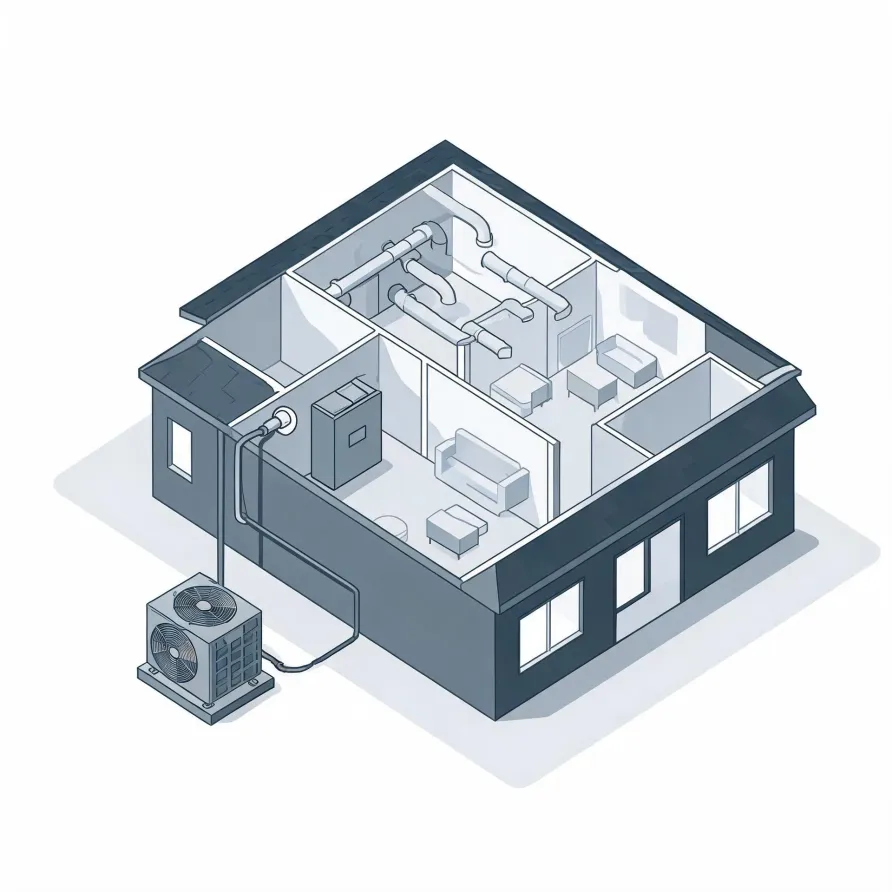
The outdoor unit is the piece most homeowners recognize, and it sits on a pad or bracket outside the house. Inside the cabinet are a compressor, a coil, and a fan. When a heat pump stops heating or cooling properly, the compressor and the outdoor coil are where a contractor looks first, because faults there tend to show up in the system's basic ability to move anything at all.
Inside the house, an air handler holds a second coil and a blower that pushes conditioned air through the home. A reversing valve, which sits in the outdoor unit, controls the direction of the cycle, and a thermostatic expansion device meters refrigerant flow between the two coils. Refrigerant lines run between the indoor and outdoor units, and a fault in any of these parts produces symptoms the contractor traces back through the system.
The drawing shows a general layout of these components, and a licensed contractor determines which parts apply and what work is needed in your specific home.
Get matched in Stevens CountyStevens County, Minnesota, by the numbers
81 severe weather events were recorded in Stevens County, Minnesota between 2015 and 2024.
NOAA National Centers for Environmental Information, Storm Events Database, bulk CSV export, events 2015-01-01 through 2024-12-31.Half the homes in Stevens County, Minnesota were built in 1971 or earlier (2020-2024 ACS 5-year).
U.S. Census Bureau, 2020-2024 American Community Survey 5-Year EstimatesStevens County, Minnesota holds 4,182 housing units (2020-2024 ACS 5-year).
U.S. Census Bureau, 2020-2024 American Community Survey 5-Year EstimatesOwners occupy 63.4% of the occupied homes in Stevens County, Minnesota (2020-2024 ACS 5-year).
U.S. Census Bureau, 2020-2024 American Community Survey 5-Year EstimatesCodes & Standards Behind Heat Pump Repair in Stevens County, Minnesota2 sourced rules and standards
Licensing and Legal Requirements in Stevens County, Minnesota
Minnesota defines a mechanical contractor as a business that installs, repairs or maintains heating, ventilating, cooling or refrigeration systems — the definition that carries the exemption from the residential contractor licence.
Minnesota's residential contractor licence does not reach HVAC work: the licensing section carries its own exemption list, and a mechanical contractor is exempt from the licence requirement by name.
Severe Weather Events in Stevens County
Extreme weather puts stress on heat pump systems, and that stress accumulates over time. How hard the equipment has to work, and how often it runs at its limits, shapes what repair needs look like in Stevens County.
81 severe weather events, 2015–2024. Source: NOAA National Centers for Environmental Information, Storm Events Database.