Tell us about the job
Takes about a minute. No obligation.
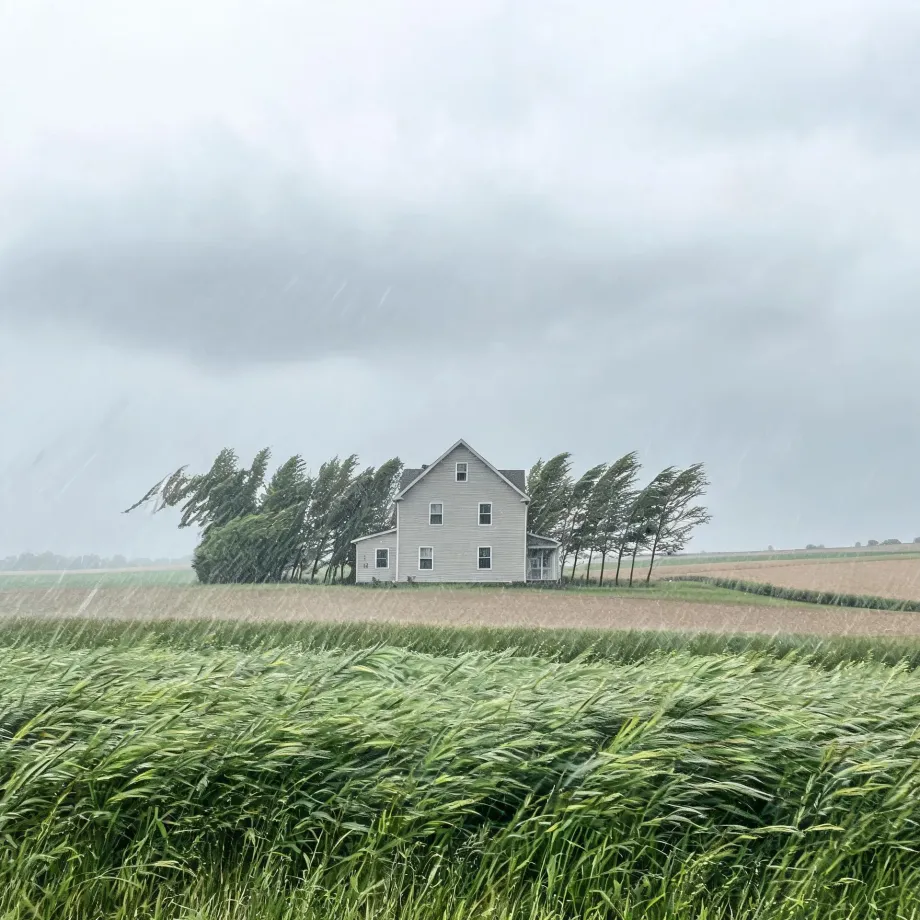
A contractor quoting a heat pump repair here starts with the unit's service history and how well it was installed, because the local weather record gives them little to work around. 66 severe weather events were recorded in Mille Lacs County, Minnesota between 2015 and 2024. At that rate, severe weather is an occasional event rather than a standing operating condition, so a compressor, reversing valve, or refrigerant circuit that has given out is almost certainly carrying the cost of age or poor setup rather than accumulated storm stress. The contractor checks those things first.
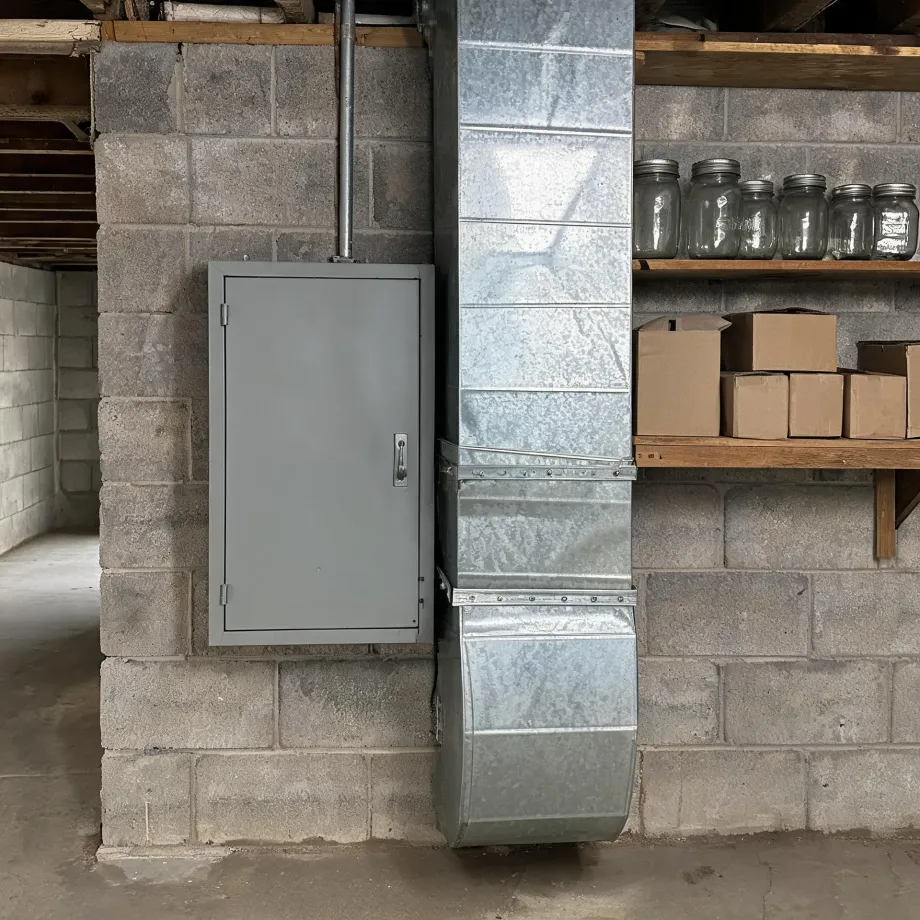
Refrigerant lines, contactors, reversing valves, and capacitors all degrade on their own timeline, and in a county where the housing stock runs old, the equipment inside those homes has been working hard winters for a long time. Half the homes in Mille Lacs County, Minnesota were built in 1982 or earlier (2020-2024 ACS 5-year). A contractor who opens a heat pump here finds wear that reflects accumulated cold-season cycling, and the parts question is whether what that unit actually needs is still in production, not what a typical failure for that model looks like. Some components are. Some have been superseded or discontinued, which changes both what gets ordered and how long the repair takes.
The Parts of a Heat Pump a Contractor Checks First
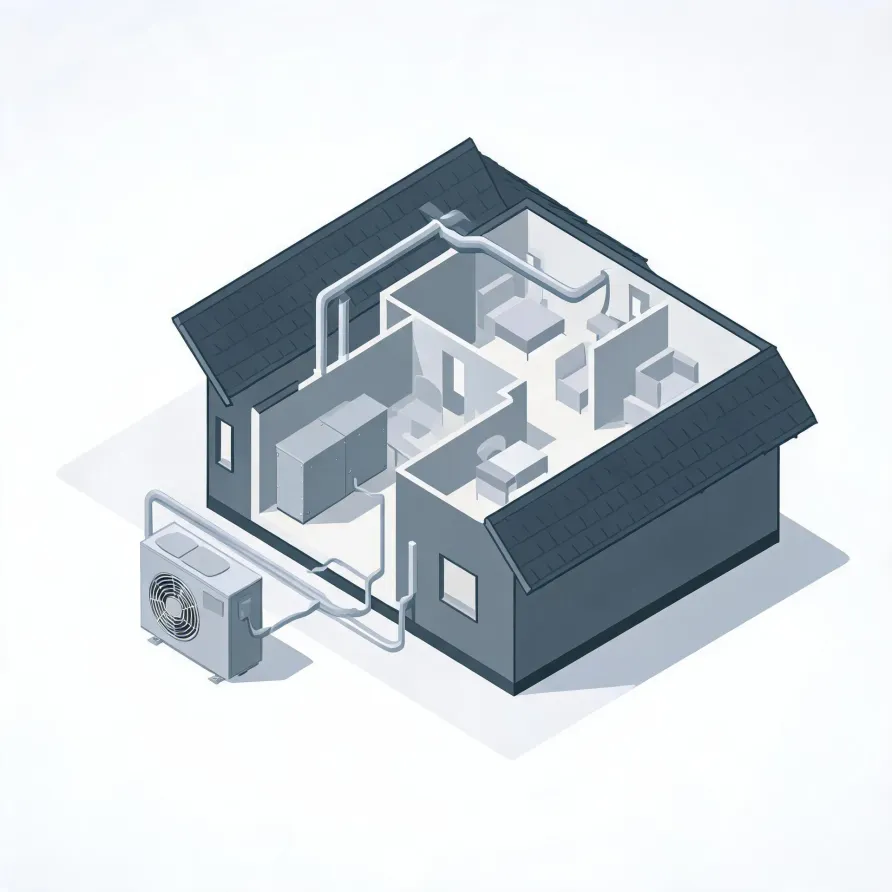
The outdoor unit sits on a pad beside the house and holds the compressor and the condenser coil. The compressor is where a contractor starts when the system stops moving heat altogether. The condenser coil and its fan motor come next, because both affect whether heat can be shed or absorbed at the outdoor side.
Inside, the air handler or indoor coil sits in a closet, attic, or mechanical room and is responsible for the exchange of heat at the interior side. The reversing valve, which routes refrigerant in the right direction depending on whether the system is heating or cooling, sits in the outdoor unit and is a common point of failure when a heat pump blows the wrong temperature. Refrigerant lines run between the two units and are checked for leaks whenever the system is low on charge.
The drawing shows a general layout of these components, and a licensed contractor determines what applies to the specific equipment and configuration in your home.
Get matched in Mille Lacs CountyMille Lacs County, by the record
66 severe weather events were recorded in Mille Lacs County, Minnesota between 2015 and 2024.
NOAA National Centers for Environmental Information, Storm Events Database, bulk CSV export, events 2015-01-01 through 2024-12-31.Half the homes in Mille Lacs County, Minnesota were built in 1982 or earlier (2020-2024 ACS 5-year).
U.S. Census Bureau, 2020-2024 American Community Survey 5-Year EstimatesMille Lacs County, Minnesota holds 13,069 housing units (2020-2024 ACS 5-year).
U.S. Census Bureau, 2020-2024 American Community Survey 5-Year EstimatesOwners occupy 77.9% of the occupied homes in Mille Lacs County, Minnesota (2020-2024 ACS 5-year).
U.S. Census Bureau, 2020-2024 American Community Survey 5-Year EstimatesCodes & Standards Governing Heat Pump Repair in Mille Lacs County, Minnesota2 sourced rules & standards
Licensing and Legal Requirements in Mille Lacs County, Minnesota
Minnesota defines a mechanical contractor as a business that installs, repairs or maintains heating, ventilating, cooling or refrigeration systems — the definition that carries the exemption from the residential contractor licence.
Minnesota's residential contractor licence does not reach HVAC work: the licensing section carries its own exemption list, and a mechanical contractor is exempt from the licence requirement by name.
Severe Weather Events in Mille Lacs County
Extreme weather puts heat pumps under sustained stress, and how hard a system works over time shapes what breaks and when. Repair needs in Mille Lacs County track local conditions, which is why the pattern here matters more than any state or national average.
66 severe weather events, 2015–2024. Source: NOAA National Centers for Environmental Information, Storm Events Database.